22 Japanese ways to say “Get out of my life”
Sometimes, you just need to tell someone to get out of your life — and you want to do it in style, with a bit of cultural flair. Japanese offers a range of expressions, from polite to downright blunt, giving you plenty of ways to express this powerful sentiment.
Whether you’re learning Japanese or just love the language, understanding these phrases will help you navigate tricky conversations or simply understand what’s being said.
From casual phrases perfect for venting to formal expressions for maintaining politeness, this list covers it all. Plus, you’ll find some native-level expressions that really hit the mark!
Using these phrases wisely can save you awkward moments and give you confidence in expressing your boundaries clearly and respectfully.
Learning these expressions also helps you tune into the cultural nuances of communication in Japan — sometimes indirect, sometimes very direct.
Ready to explore 22 ways to say “Get out of my life” in Japanese? Let’s dive in!
Understanding the Context
Before we jump into the phrases, it’s good to know that Japanese has different levels of politeness and nuance. Some expressions are casual and blunt, others formal and polite, and some are very casual or slangy.
Knowing when and how to use these phrases is just as important as knowing what they mean. Context and relationship matter a lot in Japanese communication.
So we’ll start with a gentle introduction to some casual ways, then move on to more polite/formal expressions, and finish with very casual native-style phrases.
Sometimes, having a great Japanese language learning book handy can help you understand the subtle nuances of these phrases.
Remember, even phrases that sound harsh in English might be softened in Japanese by tone and context.
Let’s start with some casual suggestions you can use in everyday situations.
Part 1: Casual Suggestions
1. 失せろ (Usero) – “Get lost.”

“Usero” is a very direct and harsh way to tell someone to get lost.
It literally means “Disappear” or “Get lost.” It’s often used when you’re really fed up and want to cut ties immediately.
This phrase is very rude, so it’s best reserved for moments of strong emotion or characters in dramas.
It’s impactful — once said, there’s no going back.
Related words include 失せやがれ (Useyagare), which is even stronger and vulgar.
Use “Usero” carefully — it’s not for casual use but will clearly communicate your message.
2. もう関わらないで (Mou kakawaranai de) – “Don’t get involved with me anymore.”

This phrase is more polite and less aggressive than “Usero.”
“Mou” means “anymore,” “kakawaranai” comes from “kakawaru” (to be involved), and “de” is a particle meaning “please don’t.”
It’s a clear way of saying you want no further involvement with someone.
It’s often used in situations where you want to set boundaries without being openly hostile.
You can use it in both spoken and written Japanese, especially in personal conflicts.
It’s a good phrase when you want to be serious but not burn bridges completely.
3. 消えてくれ (Kiete kure) – “Please disappear.”

“Kiete” is the imperative form of “kieru” (to disappear), and “kure” is a casual “please.”
This phrase is a bit softer than “Usero” but still quite direct.
It’s commonly used when you want someone to leave immediately.
Because it’s casual, use it with people you know well or in moments of anger.
“Kiete” alone is a command, adding “kure” makes it a request but still blunt.
It’s effective for strong emotional moments but should be used cautiously.
4. うざい、消えて (Uzai, kiete) – “You’re annoying, disappear.”
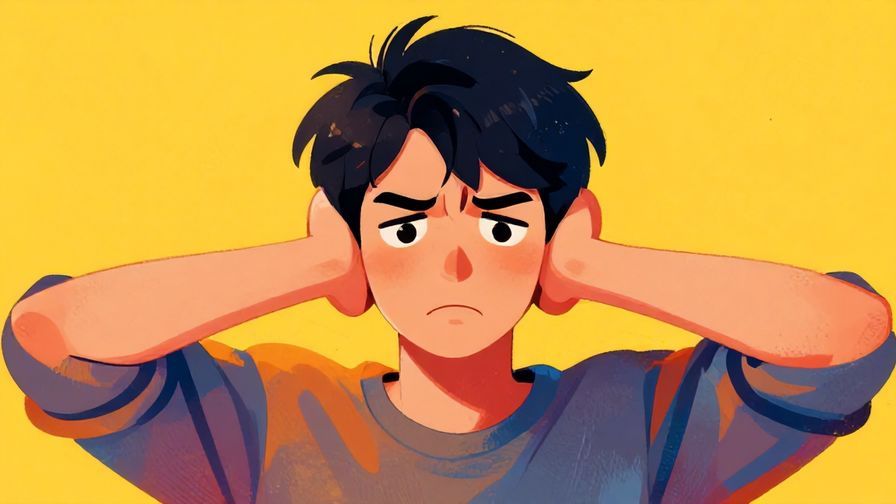
“Uzai” means “annoying” or “irritating.” This phrase combines irritation and a direct command.
It’s very casual and often used among younger people.
The phrase can feel harsh but is common in informal speech.
It’s a quick way to tell someone they’re bothering you and you want them gone.
Be mindful: “Uzai” can hurt feelings, so use it only if you’re close or joking.
Pairing it with “kiete” makes it clear you want space immediately.
5. 出ていけ (Dete ike) – “Get out.”

“Dete ike” is a strong command meaning “Get out.”
“Dete” means “leave” or “go out,” and “ike” is the imperative form of “iku” (to go).
This phrase is very direct and can sound rude depending on tone.
It’s often used in tense situations where you want someone to physically leave.
Perfect for dramatic moments or very clear boundaries.
It’s a no-nonsense phrase that’s easy to remember and effective.
6. 来るな (Kuru na) – “Don’t come.”

“Kuru na” is a short and sharp phrase meaning “Don’t come.”
“Kuru” means “to come,” and “na” is a negative imperative.
Use it when you want to warn someone not to approach or to stay away.
It’s blunt but very common in casual speech.
Be aware it can sound aggressive, so use it carefully.
This phrase is easy to use and remember for quick boundary setting.
7. もう会いたくない (Mou aitakunai) – “I don’t want to see you anymore.”
This phrase is a softer way to say “Get out of my life.”
“Mou” means “anymore,” “aitakunai” is the negative form of “aitai” (to want to see).
It expresses a desire to cut off contact without being harsh.
It can be used in personal or emotional contexts.
Great for expressing feelings honestly but gently.
It’s a useful phrase if you want to avoid conflict but be clear.
8. 放っておいて (Hotte oite) – “Leave me alone.”

“Hotte oite” means “Leave me alone” or “Ignore me.”
“Hotte oku” is a phrase meaning “to leave something as is,” and “oite” is the te-form used to make a request.
It’s commonly used to ask for space without being rude.
Perfect for casual conversations where you want to be left alone.
It’s a gentle way of creating distance without harshness.
Try this phrase when you want to cool things down peacefully.
Part 2: Polite & Formal Suggestions
9. お引き取りください (Ohikitori kudasai) – “Please leave.”

This phrase is very polite and formal, used to ask someone to leave.
“Ohikitori” means “leaving” or “withdrawal,” and “kudasai” adds politeness like “please.”
It’s suitable for business or formal situations where you want to be respectful.
It clearly asks someone to leave without sounding rude.
Often used by staff or officials, so it’s great to know for professional contexts.
Using this phrase shows you can be firm yet courteous.
10. ご遠慮ください (Goenryo kudasai) – “Please refrain from (contact/visiting).”

“Goenryo kudasai” is a polite request to refrain from doing something.
“Enryo” means “restraint” or “reserve,” and “kudasai” makes it a polite request.
It’s often used in notices or formal speech to ask someone not to come or contact.
It’s indirect but clearly communicates “get out of my life” in formal terms.
You can use this to maintain politeness while setting boundaries.
It’s a versatile phrase for respectful refusals.
11. もうご連絡は結構です (Mou gorenraku wa kekkou desu) – “No more contact is necessary.”

This phrase politely states you don’t want further contact.
“Gorenraku” means “contact,” and “kekkou desu” means “is enough” or “not needed.”
It’s a good way to firmly but politely say “stop contacting me.”
Common in letters or emails ending relationships or business ties.
It’s formal and clear without being confrontational.
Use it when you want to end communications cleanly.
12. お近づきになりたくありません (Ochikazuki ni naritaku arimasen) – “I don’t want to get close to you.”

This phrase is a polite way to express you want distance.
“Ochikazuki” means “getting close,” “naritaku arimasen” is “don’t want to become.”
It’s formal and useful in social or professional contexts.
It clearly states you want to avoid closeness without being rude.
It’s great for delicate situations requiring tact.
Remember to use polite tone to keep the meaning respectful.
13. お別れしましょう (Owakare shimashou) – “Let’s part ways.”

“Owakare shimashou” is a polite and neutral way to say “Let’s break up” or “Let’s part.”
“Owakare” means “parting,” and “shimashou” is “let’s do.”
It’s useful for ending relationships calmly.
It’s polite and gentle, focusing on mutual agreement.
Good for personal or business relationships.
Using this phrase softens the impact of separation.
14. これ以上関係を続けたくありません (Kore ijou kankei wo tsuzuketaku arimasen) – “I don’t want to continue this relationship any longer.”

This is a formal and clear expression to end a relationship.
“Kore ijou” means “any more,” “kankei” means “relationship,” and “tsuzuketaku arimasen” means “don’t want to continue.”
It states your intention firmly and politely.
Great for official or serious personal conversations.
It leaves no ambiguity about your wishes.
Use it when you want to be very clear yet respectful.
15. ご迷惑をおかけしましたが、もう結構です (Gomeiwaku wo okake shimashita ga, mou kekkou desu) – “Sorry for the trouble, but no more is necessary.”

This phrase combines an apology with a polite refusal to continue interaction.
“Gomeiwaku” means “trouble,” “okake shimashita” is “caused,” and “mou kekkou desu” means “no more is needed.”
It’s very formal and polite, often used in written communication.
It softens the blow while making your intentions clear.
Ideal for business or formal social situations.
It shows you care about politeness even when ending ties.
16. 今後一切お会いしません (Kongo issai oaishimasen) – “I will not see you anymore from now on.”

A very formal and strong expression meaning you will not meet the person again.
“Kongo” means “from now on,” “issai” means “at all,” and “oaishimasen” is the polite negative of “to meet.”
It’s final and leaves no room for misunderstanding.
Best used in serious or legal contexts.
It’s a phrase that officially cuts off contact.
Use it only when you mean absolute closure.
Part 3: Very Casual / Native-like Expressions
17. さっさと消えろ (Sassato kiero) – “Disappear quickly.”

“Sassato” means “quickly,” and “kiero” is a strong imperative of “to disappear.”
This is a very casual and harsh phrase used when you want someone gone immediately.
It’s commonly used in manga and anime for dramatic effect.
It’s rude, so only use it in informal settings or when joking with close friends.
Perfect for venting frustration strongly.
Remember, tone matters to avoid real offense.
18. いい加減にしろ (Ii kagen ni shiro) – “Enough already.”

This phrase means “Cut it out” or “Enough already.”
“Ii kagen ni” means “to a good degree,” “shiro” is the imperative form of “do.”
It’s often used when someone’s bothering you and you want them to stop.
This phrase can imply “Get out of my life” by telling them to stop interfering.
It’s casual and blunt, so use it carefully.
Frequently heard in dramas or heated conversations.
19. どっか行け (Dokka ike) – “Go somewhere else.”

“Dokka” means “somewhere,” “ike” is “go” in imperative.
This phrase is very casual and means “Go away” or “Get lost.”
It’s less harsh than “Usero” but still straightforward.
Common among friends joking or when annoyed.
It’s easy to remember and widely understood.
Use with friends or in informal situations.
20. こっち来んな (Kocchi kunna) – “Don’t come here.”

“Kocchi” means “this way” or “here,” “kunna” is a rough negative imperative of “come.”
This phrase is very casual and rough, used to tell someone not to approach.
It’s commonly heard in youth slang or informal speech.
Use with caution, as it can sound aggressive.
It’s a quick, native-like way to set boundaries.
Good for casual conversations where bluntness is acceptable.
21. もう帰れよ (Mou kaere yo) – “Go home already.”
“Kaere” is the imperative form of “come home,” and “mou” means “already.”
Adding “yo” softens the tone, making it sound like advice or insistence.
This phrase is casual, often used to tell someone to leave your presence.
It carries a “get lost” vibe but less harsh.
Common among friends or family when joking or seriously annoyed.
Easy to use and very natural sounding.
22. お前なんかいらない (Omae nanka iranai) – “I don’t need someone like you.”

“Omae” is a rough “you,” “nanka” adds emphasis like “someone like,” and “iranai” means “don’t need.”
This phrase bluntly tells someone they’re not wanted in your life.
It’s casual but strong and emotionally charged.
Use it only with people you know well or in heated moments.
It’s a powerful way to express rejection.
Be careful with tone to avoid unintended hurt.
Concluding Thought
Expressing “Get out of my life” in Japanese can range from polite to blunt, depending on the situation and your relationship with the other person.
Knowing these 22 phrases gives you the tools to set boundaries clearly, respectfully, or firmly when needed.
Remember, language is a powerful tool—use it wisely to express yourself authentically while respecting cultural nuances.