22 Japanese ways to say “Friends again?”
It’s never easy to fix a friendship after a misunderstanding. But sometimes, a simple phrase can be the key to reopening those doors.
Whether you’re looking to smooth things over or just want to casually ask if you’re “friends again,” Japanese offers a warm variety of expressions for every situation.
From casual to polite, and even very native-like phrases, you’ll find the perfect way to reconnect.
Learning these can help you express your feelings honestly and gently, making it easier to bridge the gap.
Plus, mastering these phrases can deepen your understanding of Japanese cultural nuances around relationships and apologies.
Let’s explore 22 Japanese ways to say “Friends again?” with warmth and a touch of charm!
Understanding the Language of Reconciliation
Japanese is rich with expressions that reflect sincerity and the desire to mend bonds.
Before jumping into the phrases, it’s helpful to understand that tone and context matter a lot in Japanese communication.
These phrases can vary from casual, light-hearted to deeply respectful depending on your relationship.
If you want to start broadly, grabbing a Japanese language learning book can help you understand the basics of politeness and casual speech.
With practice, you’ll be able to choose the right words naturally.
Now, let’s jump into the fun part — actual phrases you can use!
Part 1: Casual Suggestions
1. また友達になろう? (Mata tomodachi ni narou?) – “Shall we be friends again?”
This is a direct and sweet way to ask if you can restart your friendship.
“また” (Mata) means “again,” “友達” (tomodachi) means “friends,” and “になろう” (ni narou) is the volitional form of “to become,” implying “shall we become.”
It’s casual and perfect for friends who are close enough to speak openly.
Using the volitional form makes it feel like a gentle invitation rather than a demand.
If you want to be even lighter, you can say “また友達?” (Mata tomodachi?) which is a simple “Friends again?”
Try this when you want to keep things friendly and hopeful, without too much pressure.
2. もう一度仲直りしよう? (Mou ichido nakanaori shiyou?) – “Shall we make up once more?”

This phrase literally means “let’s reconcile once more” and is perfect when you want to suggest making up.
“もう一度” (Mou ichido) means “once more,” “仲直り” (nakanaori) means “reconciliation,” and “しよう” (shiyou) is “let’s do.”
It’s a proactive phrase that shows you’re ready to fix things.
Use it when you want to take the first step in restoring harmony.
It’s slightly more serious than just “friends again,” but still casual.
Good for when you want to express sincerity but keep it light.
3. 元通りにしよう? (Moto doori ni shiyou?) – “Shall we go back to how it was?”
This phrase is a gentle way to suggest returning to a previous good state.
“元通り” (moto doori) means “the original way” or “as before.”
“にしよう” (ni shiyou) means “let’s make it.”
It implies you want to restore the friendship to its former closeness.
Perfect for friends who may have drifted or had a small conflict.
This phrase carries warmth and reassurance.
4. もう一回やり直そう? (Mou ikkai yarinaosou?) – “Shall we try again?”

This is a casual and friendly way to suggest starting fresh.
“もう一回” (mou ikkai) means “one more time,” and “やり直そう” (yarinaosou) is the volitional form of “to redo” or “try again.”
It’s encouraging and optimistic, perfect for lighthearted situations.
Great for friends who want to put the past behind and move forward.
You can use it after a minor misunderstanding.
It’s a phrase that invites a new beginning without pressure.
5. 友達に戻ろう? (Tomodachi ni modorou?) – “Shall we go back to being friends?”
This simple phrase clearly asks to return to friendship.
“友達に戻ろう” (tomodachi ni modorou) means “let’s return to being friends.”
It’s straightforward and works well if you want to be clear without beating around the bush.
Use it when you feel ready to fully reconnect.
It implies a mutual understanding of past difficulties but a desire to move on.
This phrase fits casual but honest conversations.
6. もう大丈夫? (Mou daijoubu?) – “Are we okay now?”

Use this phrase when you want to check if things are settled.
“もう” (mou) means “already/now,” and “大丈夫” (daijoubu) means “okay” or “fine.”
It’s casual and perfect for confirming that the tension is gone.
Great for friends who had a small argument but want reassurance.
It’s less direct than “friends again?” but conveys care.
Try it in friendly, informal chats.
7. これからも友達でいよう? (Kore kara mo tomodachi de iyou?) – “Shall we keep being friends from now on?”

This phrase expresses hope for the future of your friendship.
“これからも” (kore kara mo) means “from now on as well,” and “友達でいよう” (tomodachi de iyou) means “let’s stay friends.”
It’s warm and forward-looking.
Use it to gently affirm your commitment to the friendship.
It’s great for friends who want to move past issues and grow together.
This phrase feels caring and hopeful.
8. また仲良くしよう? (Mata nakayoku shiyou?) – “Shall we get along again?”
“仲良く” (nakayoku) means “getting along well,” and this phrase invites harmony again.
It’s casual and upbeat, perfect for light-hearted reconciliation.
Use it when you want to restore closeness without dwelling on the past.
It feels friendly and easygoing.
Great for friends who want to forget the conflict and enjoy each other’s company.
This phrase is affectionate but simple.
Part 2: Polite & Formal Suggestions
9. もう一度友達になれますか? (Mou ichido tomodachi ni naremasu ka?) – “Can we be friends again?”
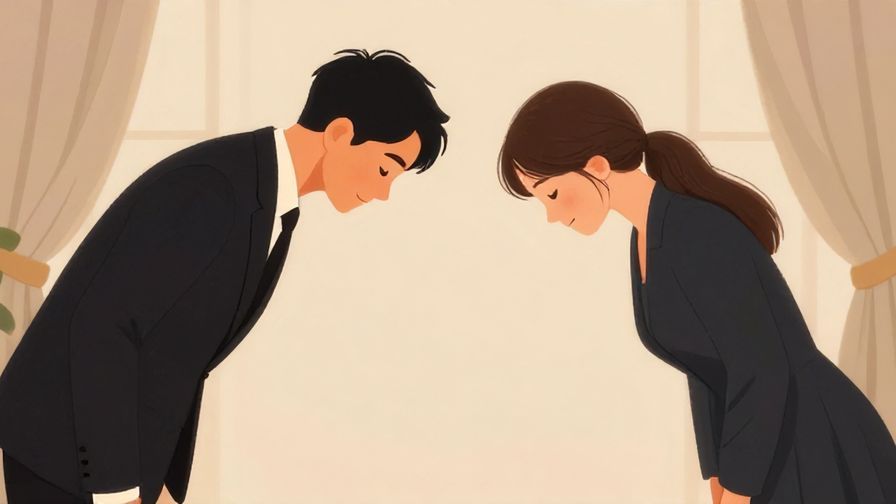
This is a polite way to ask about restoring friendship.
It uses the potential form “なれますか” (naremasu ka), meaning “can become.”
It’s suitable for acquaintances or when you want to show respect.
Great for situations where formality is important.
It’s clear but gentle, showing humility.
Try this when you want to be serious yet kind.
10. お友達に戻ってもよろしいですか? (O-tomodachi ni modotte mo yoroshii desu ka?) – “May we return to being friends?”

This phrase is very polite and uses honorific “お友達” (o-tomodachi) and formal “よろしいですか” (yoroshii desu ka).
It’s perfect for professional or formal social settings.
Use it when you want to express respect and care.
It might feel a bit stiff for very close friends but works well in delicate situations.
It subtly asks permission to reconcile, showing politeness.
Great for restoring friendships with respect.
11. 仲直りしていただけますか? (Nakanaori shite itadakemasu ka?) – “Would you be willing to reconcile?”

This phrase is a humble and respectful way to ask for reconciliation.
“していただけますか” (shite itadakemasu ka) is a polite request form, emphasizing respect.
Use it if you want to show sincerity and humility.
It’s great for sensitive situations or when the other person is senior.
It communicates that you value the other’s feelings.
This phrase invites healing with grace.
12. もう一度友情を築けませんか? (Mou ichido yuujou o kizukemasen ka?) – “Can we build our friendship again?”

This formal phrase emphasizes rebuilding friendship (“友情” yuujou).
It’s polite and shows a serious intention to restore trust.
Great for friendships that were deeply affected or need rebuilding.
Use it to convey respect and commitment.
It’s more formal than casual phrases but sincere.
Perfect when you want to impress your willingness to repair things.
13. お許しいただけますか? (O-yurushi itadakemasu ka?) – “Could you forgive me?”
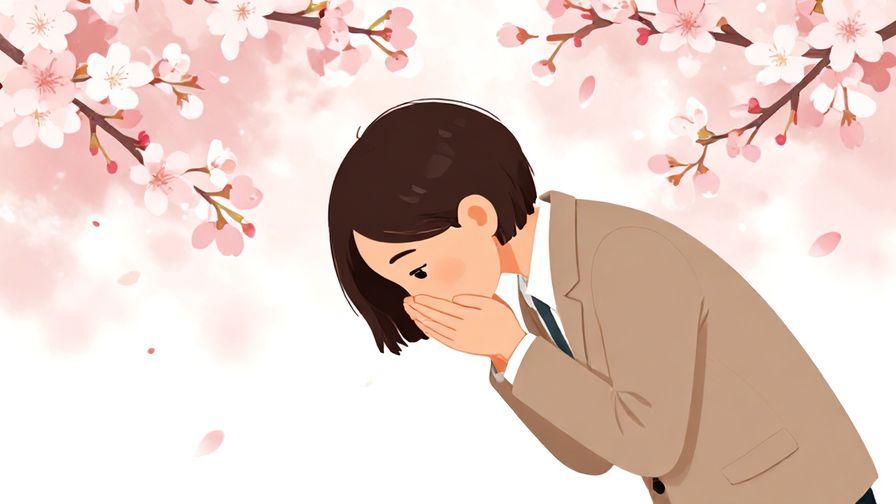
This is a polite way to ask for forgiveness and indirectly suggest reconciliation.
“お許し” (o-yurushi) is “forgiveness,” and “いただけますか” (itadakemasu ka) is a polite request.
Use this when you want to express sincere apology and hope to be friends again.
It’s humble and respectful, ideal for serious situations.
It helps open doors to healing.
This phrase pairs well with a genuine apology.
14. もう一度信頼を取り戻せますか? (Mou ichido shinrai o torimodosemasu ka?) – “Can we regain trust again?”

Trust is often key in friendship, and this phrase addresses that directly.
“信頼” (shinrai) means “trust,” and “取り戻せますか” (torimodosemasu ka) means “can regain.”
This polite phrase is good for serious reconciliations.
Use it when trust needs to be repaired before friendship can fully return.
It’s formal and heartfelt.
Try this when you want to emphasize honesty and rebuilding bonds.
15. 友好関係を再開しませんか? (Yuukou kankei o saikai shimasen ka?) – “Shall we resume our friendly relationship?”

This phrase uses “友好関係” (yuukou kankei), meaning “friendly relations,” and is a polite invitation.
It fits situations where the relationship was distant or formal.
It’s a respectful way to start fresh.
Use it for acquaintances or colleagues as well as friends.
It’s somewhat formal but warm.
Perfect for politely reopening communication.
16. これからも仲良くしていただけますか? (Kore kara mo nakayoku shite itadakemasu ka?) – “May we continue to get along well from now on?”
This phrase politely asks permission to maintain a good relationship going forward.
It shows respect and desire to keep harmony.
“仲良くしていただけますか” (nakayoku shite itadakemasu ka) is a humble request to stay friendly.
Use it after reconciliation to confirm goodwill.
It’s gentle and polite, fitting many social levels.
Great for solidifying renewed bonds.
Part 3: Very Casual / Native-like Expressions
17. またヨロシク? (Mata yoroshiku?) – “Friends again, yeah?”

“ヨロシク” (yoroshiku) is a very casual way of saying “please treat me well” or “let’s be good.”
Adding “また” (mata) means “again,” making it a lighthearted, native-like phrase.
It’s great among close friends or peers.
Use it to break the ice with humor and friendliness.
It’s informal and relaxed, perfect for casual settings.
Try this when you want to keep things fun and easygoing.
18. もうケンカしない? (Mou kenka shinai?) – “No more fighting, okay?”

This phrase is super casual and direct, great for younger people or close friends.
“ケンカ” (kenka) means “fight,” and “しない” (shinai) means “don’t do.”
It’s playful and emphasizes stopping conflict.
Use it to lighten the mood and invite peace.
Perfect for ending small arguments with a smile.
This phrase shows you care but keeps it casual.
19. もう一回やろうぜ! (Mou ikkai yarou ze!) – “Let’s try one more time, dude!”

Adding “ぜ” (ze) makes this phrase masculine and very casual.
It’s a confident, friendly way to say “let’s try again.”
Use it with close male friends or in informal groups.
It’s energetic and motivating.
Perfect for restarting a friendship with enthusiasm.
This phrase captures native casual speech style.
20. また遊ぼうよ! (Mata asobou yo!) – “Let’s hang out again!”
“遊ぼう” (asobou) means “let’s play” or “hang out,” made casual here with “よ” (yo) for emphasis.
It’s a friendly invitation to reconnect through fun.
Great for casual, lighthearted friendship repair.
Use it to suggest meeting up again soon.
It’s warm and easy to say.
Perfect for friends who bond through activities.
21. また連絡してね! (Mata renraku shite ne!) – “Contact me again, okay?”

This phrase invites keeping in touch and is casual but caring.
“連絡して” (renraku shite) means “contact me,” and “ね” (ne) softens the request.
It’s great when you want to encourage ongoing communication.
Use it after reconciliation to keep the friendship alive.
It’s informal and friendly.
Perfect for friends who may not see each other often.
22. もう仲直りだね! (Mou nakanaori da ne!) – “We’re friends again now, right?”
“仲直りだね” (nakanaori da ne) is a casual way to confirm you’re reconciled.
“もう” (mou) means “already/now,” making it feel happy and settled.
It’s great for informal conversations where you both feel at ease.
Use it to celebrate the restored friendship.
This phrase feels warm and genuine.
Perfect to end on a positive note with close friends.
Concluding Thought
Reconnecting with friends takes courage, and language can be your bridge.
These 22 Japanese phrases give you a range of ways to express your desire for friendship, from casual to formal and very natural expressions.
Whatever your style, the key is sincerity and kindness—so pick the phrase that feels right and open your heart.