22 Japanese ways to say “Forgive and forget”
Forgiving and forgetting is something we all strive for, but expressing it in Japanese adds a beautiful cultural nuance. Whether you’re mending friendships or just want to grasp a new phrase, these 22 ways will warm your heart and expand your language skills.
Each phrase brings a unique flavor, from casual chats to polite expressions, making it easier to fit the perfect one into any situation.
Understanding these can also deepen your appreciation of Japanese culture, where forgiveness often has a graceful, subtle tone.
Stick around as we explore these phrases, and you might just find the perfect way to say “forgive and forget” that feels just right for you.
Plus, learning these expressions could open doors to smoother conversations and stronger connections with Japanese speakers.
Ready to bring some peace and kindness into your vocabulary? Let’s jump in!
Understanding Forgiveness in Japanese Culture
Japanese phrases about forgiveness often reflect humility, patience, and harmony.
They don’t always translate as literally as “forgive and forget,” but capture the spirit in thoughtful ways. This makes learning them both fun and meaningful.
Ready to explore? These phrases will give you a great foundation.

Sometimes, using a great Japanese language guide on forgiveness can deepen your understanding and make practice easier.
With a little patience, these phrases become second nature.
And the more you use them, the more naturally forgiveness will flow in your conversations.
Part 1: Casual Suggestions
1. 許す (Yurusu) – “To forgive.”

Let’s start with the basic verb for “forgive” — 許す (Yurusu, yoo-roo-soo).
This word is straightforward and used in everyday conversations. Just say it when you’re ready to forgive someone directly.
It’s simple but powerful.
Using 許す shows your intention clearly and kindly.
For example, you might hear 「彼を許す」 (Kare o yurusu) meaning “I forgive him.”
It’s a great phrase to keep in your language toolkit for honest, direct forgiveness.
2. 忘れる (Wasureru) – “To forget.”

Next up is 忘れる (Wasureru, wah-soo-reh-roo), which means “to forget.”
It’s often paired with forgiveness to express the full “forgive and forget” idea.
It’s a handy verb that you’ll hear a lot.
When you say 「過去を忘れる」 (Kako o wasureru), it means “forget the past.”
Practice this verb to talk about moving on with ease.
It’s a gentle reminder that forgetting is part of healing.
3. 水に流す (Mizu ni nagasu) – “Let it flow away like water.”

This is a beautiful idiom: 水に流す (Mizu ni nagasu, mee-zoo nee nah-gah-soo), literally “to let it flow away like water.”
It means to forgive and forget, to wash away bad feelings as water carries things downstream.
It’s very visual and poetic—easy to remember!
Use it to show you’re ready to move on peacefully.
For example, 「あのことは水に流そう」 (Ano koto wa mizu ni nagasou) means “Let’s forgive and forget that.”
Try using this when you want to sound natural and warm.
4. 過去は過去 (Kako wa kako) – “The past is the past.”

Here’s a simple phrase: 過去は過去 (Kako wa kako, kah-koh wah kah-koh), meaning “The past is the past.”
It’s a casual way to say “let’s not dwell on what’s done.”
It’s easy to remember because it repeats the word for past.
Use this to gently remind yourself or others to look ahead.
For example, 「もう過去は過去だよ」 (Mou kako wa kako dayo) means “The past is already the past.”
Great for casual conversations with friends.
5. 気にしない (Ki ni shinai) – “Don’t worry about it.”

気にしない (Ki ni shinai, kee nee shee-nye) means “don’t worry about it.”
This phrase is perfect for brushing off small mistakes or misunderstandings.
It’s casual and friendly.
Use it to forgive lightly and move on without fuss.
For example, 「そんなこと気にしないで」 (Sonna koto ki ni shinaide) means “Don’t worry about that.”
It helps keep conversations light and positive.
6. 仕方ない (Shikata nai) – “It can’t be helped.”

仕方ない (Shikata nai, shee-kah-tah nah-ee) means “it can’t be helped.”
This phrase is often used to accept situations and forgive by acknowledging things outside control.
It’s practical and common.
Use it to express understanding when someone’s fault wasn’t intentional.
For example, 「もう仕方ないよ」 (Mou shikata nai yo) means “It can’t be helped anymore.”
Great for showing mature forgiveness.
7. 許してあげる (Yurushite ageru) – “I forgive you (kindly).”

許してあげる (Yurushite ageru, yoo-roo-shee-teh ah-geh-roo) is a softer, kinder way to say “I forgive you.”
The あげる adds a feeling of doing a favor or kindness.
It’s perfect for close friends or family.
Use it when you want to sound gentle and caring.
For example, 「今回は許してあげる」 (Konkai wa yurushite ageru) means “I’ll forgive you this time.”
This phrase feels warm and personal.
8. 水に流して忘れよう (Mizu ni nagashite wasureyou) – “Let it flow and forget.”

Combining two ideas, 水に流して忘れよう (Mizu ni nagashite wasureyou, mee-zoo nee nah-gah-shee-teh wah-soo-reh-yoh) means “let it flow and forget.”
This phrase is gentle and encourages letting go of grudges fully.
It’s a poetic way to say forgive and forget in one breath.
Use it when you want to encourage peace and moving on.
For example, 「もう水に流して忘れよう」 means “Let’s forgive and forget now.”
Perfect for heartfelt talks.
Part 2: Polite & Formal Suggestions
9. お許しください (O-yurushi kudasai) – “Please forgive me.”
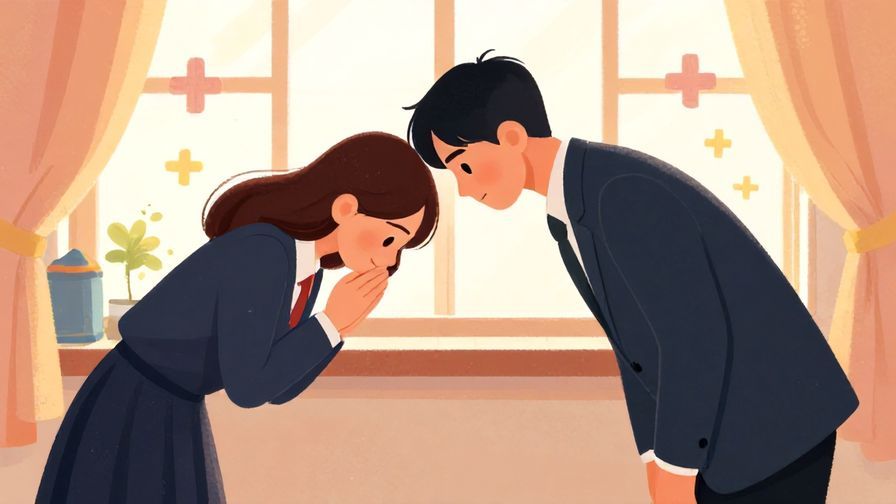
お許しください (O-yurushi kudasai, oh-yoo-roo-shee koo-dah-sai) is a polite way to ask for forgiveness.
It’s perfect in formal situations when apologizing sincerely.
Using this phrase shows humility and respect.
For example, 「ご迷惑をおかけして、お許しください」 means “Please forgive me for causing trouble.”
Great to sound thoughtful and sincere.
It’s a must-know for professional or serious contexts.
10. ご容赦ください (Goyousha kudasai) – “Please excuse me/forgive me.”
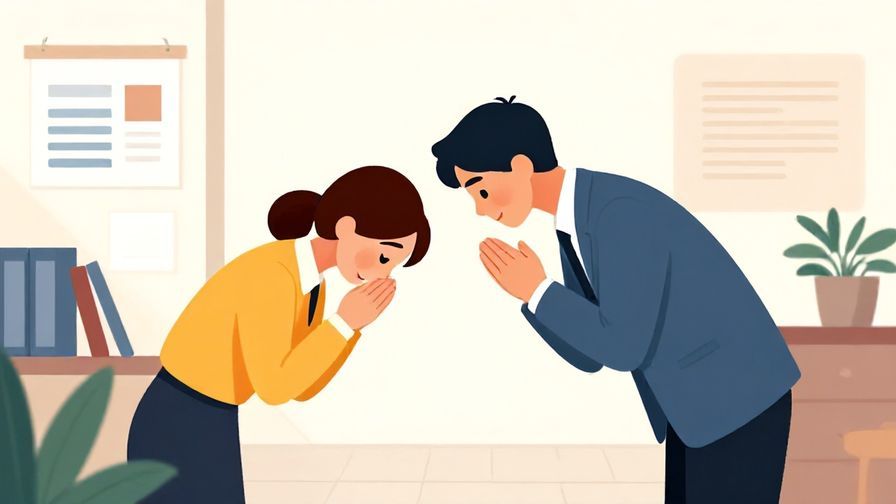
ご容赦ください (Goyousha kudasai, goh-yoh-shah koo-dah-sai) is another formal phrase meaning “please excuse/forgive me.”
It’s often used in customer service or public announcements.
It’s very respectful and humble.
For example, 「ご迷惑をおかけして、ご容赦ください」 means “Please forgive the inconvenience.”
Use it to sound professional and polite.
Perfect for business or public apologies.
11. 許していただけますか (Yurushite itadakemasu ka) – “Could you forgive me?”

許していただけますか (Yurushite itadakemasu ka, yoo-roo-shee-teh ee-tah-dah-keh-mahss kah) is a very polite way to ask for forgiveness.
It uses いただけますか to make it a humble request.
Great for formal or serious apologies.
For example, 「どうか許していただけますか」 means “Could you please forgive me?”
Use it to show deep respect and sincerity.
It’s a phrase that softens your request beautifully.
12. 許しを請う (Yurushi o kou) – “To beg forgiveness.”
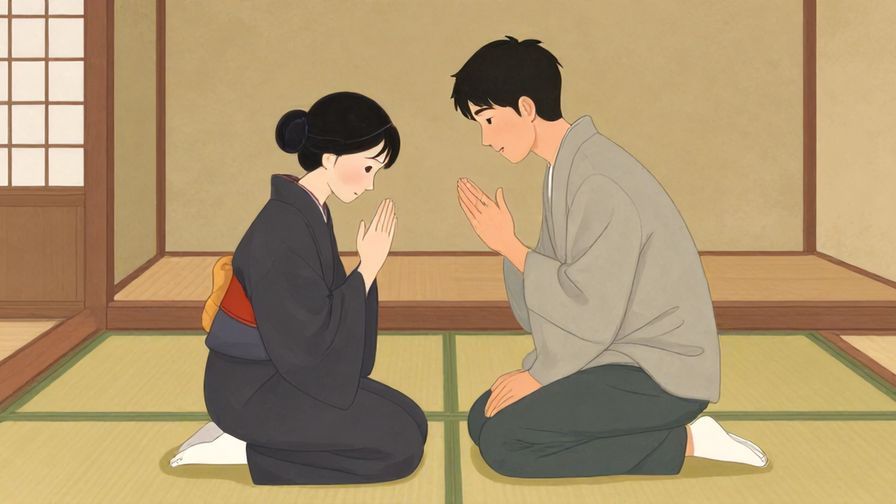
許しを請う (Yurushi o kou, yoo-roo-shee oh koh) means “to beg forgiveness.”
It’s a more formal and serious phrase, often used in literature or formal speech.
It conveys deep remorse and humility.
For example, 「心から許しを請います」 means “I beg your forgiveness from the heart.”
Use it only in serious situations to show earnest apology.
A powerful phrase that carries weight and respect.
13. 過ちは繰り返しません (Ayamachi wa kurikaeshimasen) – “I won’t repeat my mistake.”

過ちは繰り返しません (Ayamachi wa kurikaeshimasen, ah-yah-mah-chee wah koo-ree-kah-eh-shee-mah-sen) means “I won’t repeat my mistake.”
It’s a respectful way to show you’re serious about making amends.
Often used when apologizing formally.
For example, 「同じ過ちは繰り返しません」 means “I won’t repeat the same mistake.”
Use it to assure the other person you’re committed to change.
A phrase that strengthens your apology.
14. 心からお詫び申し上げます (Kokoro kara owabi moushiagemasu) – “I sincerely apologize.”

心からお詫び申し上げます (Kokoro kara owabi moushiagemasu, koh-koh-roh kah-rah oh-wah-bee moh-shee-ah-geh-mahss) means “I sincerely apologize.”
It’s a very polite and formal apology phrase.
Use it when you want to express deep regret and ask forgiveness.
For example, 「心からお詫び申し上げます」 is used in formal letters or speeches.
This phrase shows utmost respect and sincerity.
Perfect for important apologies.
15. 許しを得る (Yurushi o eru) – “To obtain forgiveness.”

許しを得る (Yurushi o eru, yoo-roo-shee oh eh-roo) means “to obtain forgiveness.”
This phrase focuses on the act of being forgiven rather than forgiving.
It’s useful when talking about reconciliation formally.
For example, 「彼の許しを得た」 means “I obtained his forgiveness.”
Use it in polite conversations or writing.
An elegant way to describe forgiveness granted.
16. 無かったことにする (Nakatta koto ni suru) – “To pretend it never happened.”
無かったことにする (Nakatta koto ni suru, nah-kah-tah koh-toh nee soo-roo) means “to pretend it never happened.”
It’s a casual but clear way to express forgetting a mistake or offense.
Use it when you want to move on as if nothing bad occurred.
For example, 「あのことは無かったことにしましょう」 means “Let’s pretend that never happened.”
It’s a friendly phrase for forgiving and forgetting in one go.
Good for casual use with friends or family.
Part 3: Very Casual / Native-like Expressions
17. 気にしないで (Ki ni shinaide) – “Don’t worry about it.”

気にしないで (Ki ni shinaide, kee nee shee-nah-ee-deh) is a super casual, friendly way to say “don’t worry about it.”
It’s great for everyday conversations to forgive lightly.
Use it to keep things breezy and positive.
For example, 「そんなこと気にしないで」 means “Don’t worry about that.”
Perfect for friends and casual chats.
It’s like saying “no big deal” in English.
18. もういいよ (Mou ii yo) – “It’s okay now.”

もういいよ (Mou ii yo, moh ee yoh) means “It’s okay now.”
Very casual and often used to forgive something small quickly.
It’s an easy phrase to remember and use.
For example, 「もういいよ、気にしないで」 means “It’s okay now, don’t worry.”
Use it to smooth over little conflicts.
Perfect for casual, friendly moments.
19. 大丈夫だよ (Daijoubu da yo) – “It’s alright.”

大丈夫だよ (Daijoubu da yo, dye-joh-boo dah yoh) means “It’s alright.”
It’s a very common, casual phrase to reassure and forgive.
Use it to comfort someone and move past mistakes.
For example, 「大丈夫だよ、気にしないで」 means “It’s alright, don’t worry.”
Friendly and warm, perfect for everyday use.
It helps keep the mood light and positive.
20. 忘れちゃおう (Wasurechaou) – “Let’s just forget it.”

忘れちゃおう (Wasurechaou, wah-soo-reh-chah-oh) is a super casual way to say “let’s just forget it.”
It uses the informal ちゃおう ending to soften the phrase.
Great for friendly conversations.
For example, 「もう忘れちゃおう」 means “Let’s just forget it.”
Use this to make forgiveness feel easy and natural.
Perfect for close friends or younger speakers.
21. 水に流そ (Mizu ni nagaso) – “Let’s just let it flow.”

水に流そ (Mizu ni nagaso, mee-zoo nee nah-gah-soh) is a shortened, casual version of the idiom for “let it flow.”
It’s friendly and easy to use in daily talk.
For example, 「もう水に流そ」 means “Let’s just let it flow.”
Use it to encourage forgiveness with a relaxed vibe.
It’s a phrase that sounds natural and caring.
Great for casual reconciliation moments.
22. いいよ、気にしない (Ii yo, ki ni shinai) – “It’s fine, don’t worry.”

いいよ、気にしない (Ii yo, ki ni shinai, ee yoh kee nee shee-nye) means “It’s fine, don’t worry.”
This is a perfect casual phrase to forgive quickly and kindly.
It’s friendly and reassuring.
For example, 「いいよ、気にしないで」 means “It’s fine, don’t worry.”
Use it when you want to sound warm and easy-going.
Great for everyday forgiveness with friends or family.
Concluding Thought
Learning these 22 Japanese ways to say “forgive and forget” gives you a rich palette of expressions for every situation, from casual chats to formal apologies.
Each phrase carries its own cultural nuance and warmth, helping you connect better with Japanese speakers and express empathy beautifully.
So go ahead—choose the phrase that fits your heart and situation, and bring a little more kindness and peace into your conversations!