22 Japanese ways to say “Fool me once, shame on you”
Ever had that moment when someone tricks you, and you just know not to fall for it again? The classic saying “Fool me once, shame on you” exists in many languages, and Japanese has some pretty cool ways to express this idea.
Whether you’re learning Japanese or just love clever expressions, these phrases carry wisdom, humor, and sometimes a bit of cultural flavor. They remind us to be cautious but also to grow from experience.
In this article, you’ll discover 22 Japanese ways to say “Fool me once, shame on you,” ranging from casual to formal, and even some native-like expressions you’ll want to add to your repertoire.
Each phrase comes with simple explanations and pronunciation guides, so you can sound like a pro while sharing these pearls of wisdom with friends.
Along the way, we’ll sprinkle in helpful tips on how to use these phrases naturally and where you might hear them in real life.
Ready to dive in? Let’s explore the Japanese ways to keep your guard up but stay cool doing it!
Understanding the Theme: Expressing Caution in Japanese
Before we jump into the phrases, it’s good to know that Japanese often expresses caution and learning from mistakes in subtle ways.
Many expressions rely on context, so the feeling behind “fool me once, shame on you” may come across as gentle advice or a firm warning depending on how you say it.
These phrases are great tools to communicate experience without sounding harsh.

Sometimes, using a great beginner phrasebook can give you a perfect starting point for a cohesive understanding.
Keep these nuances in mind as you explore the phrases below.
Many will be simple enough to remember and use right away, with just a little practice.
Part 1: Casual Suggestions
1. 一度騙されたら相手の恥 (Ichido damasaretara aite no haji) – “If fooled once, the shame is on the other person.”
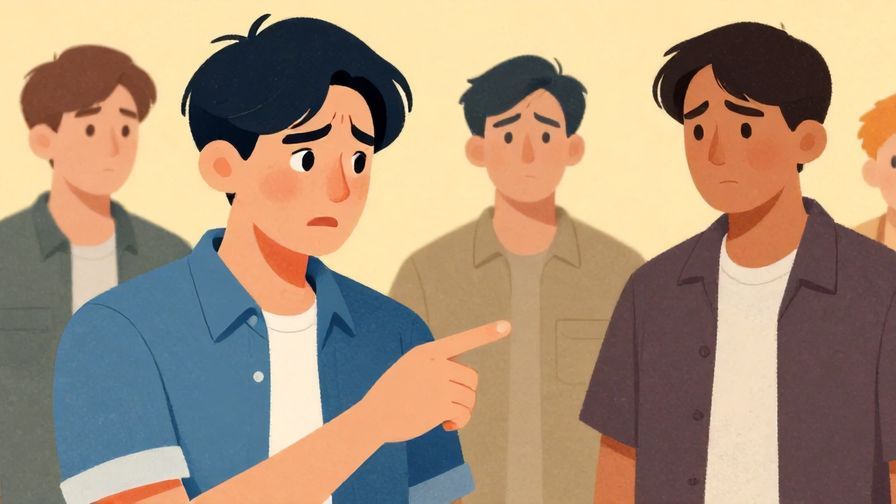
This phrase breaks down as: 一度 (ichido) means “once,” 騙されたら (damasaretara) “if fooled,” 相手 (aite) “the other person,” and 恥 (haji) “shame.”
It’s a straightforward way to say that if you get tricked once, the blame falls on the trickster. Great for casual conversations when you want to call out a mistake lightly.
Using this phrase is simple and memorable because it directly points out responsibility.
It’s perfect when you want to remind someone that being fooled isn’t your fault.
You might hear it in informal talks among friends who share stories of being tricked or played.
A handy phrase for beginners learning to express blame without sounding too harsh.
2. 二度あることは三度ある (Nido aru koto wa sando aru) – “What happens twice will happen thrice.”
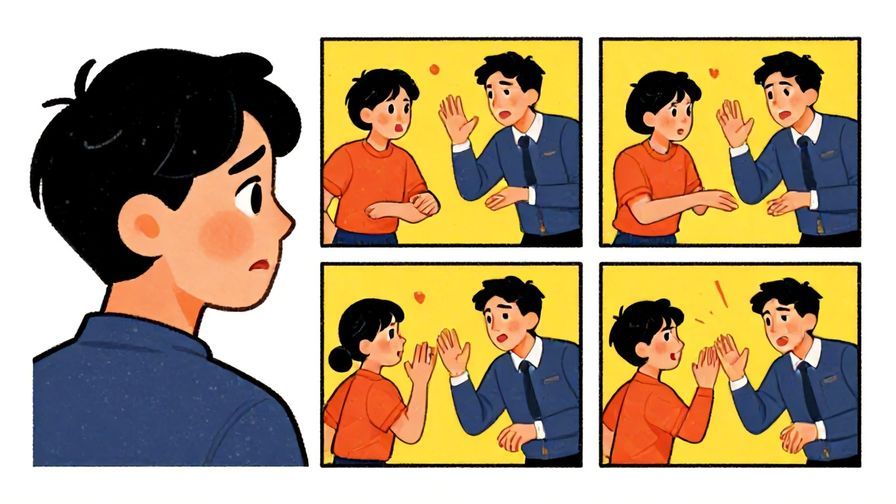
This proverb means if something bad happens twice, it’s likely to happen a third time.
It’s a cautionary phrase, warning you to be extra careful after being fooled once or twice.
Easy to remember because of its rhythmic pattern: 二度 (nido) “twice,” 三度 (sando) “thrice.”
Useful to express a growing suspicion or doubt about repeating mistakes.
Commonly used when talking about habits or repeated experiences in daily life.
Try using it when you want to say, “I won’t let this happen again!”
3. 騙すやつには気を付けろ (Damasu yatsu ni wa ki o tsukero) – “Watch out for those who deceive.”
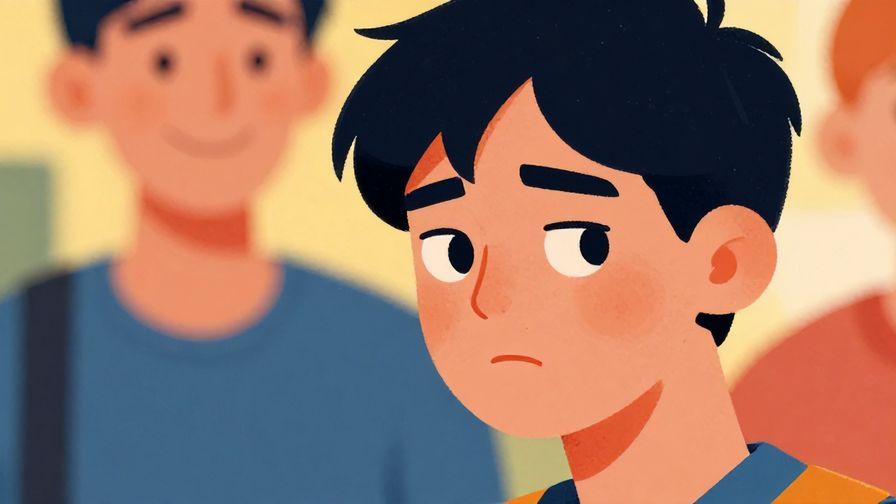
A practical phrase to warn someone to be careful of tricksters.
騙す (damasu) means “to deceive,” やつ (yatsu) is a casual way to say “person” or “guy,” and 気を付けろ (ki o tsukero) means “be careful.”
It’s casual but direct, great for everyday conversations.
Perfect for reminding friends to stay alert around suspicious people.
It’s easy to practice by repeating the phrase whenever you want to express caution.
Keep this one handy for informal but meaningful advice.
4. 一度失敗して学べ (Ichido shippai shite manabe) – “Fail once and learn.”

This phrase encourages learning from one mistake.
一度 (ichido) “once,” 失敗して (shippai shite) “fail,” 学べ (manabe) “learn.”
It’s a positive way to look at being fooled — as an opportunity to grow.
Great for casual chats about personal improvement.
It’s simple and motivational, helping you turn a negative into a lesson.
Use it to show you’re ready to move on with wisdom.
5. バカは死ななきゃ治らない (Baka wa shinanakya naoranai) – “Fools won’t change unless they die.”
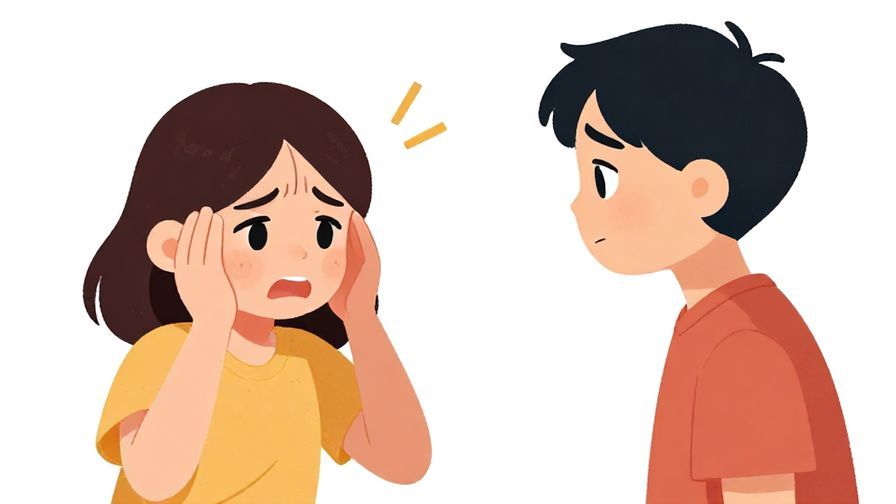
This is a humorous, somewhat blunt way to say fools don’t change easily.
バカ (baka) means “fool,” 死ななきゃ (shinanakya) “unless they die,” 治らない (naoranai) “won’t get better/change.”
It’s a common saying in casual speech, often said with a smile or a laugh.
Good to use when the fool in question just won’t learn from mistakes.
Be careful with tone — it can sound harsh, so only use among close friends.
It’s a funny way to express frustration while acknowledging some people don’t change.
6. 一度だまされたら二度と騙されるな (Ichido damasaretara nido to damasareru na) – “If fooled once, don’t be fooled twice.”
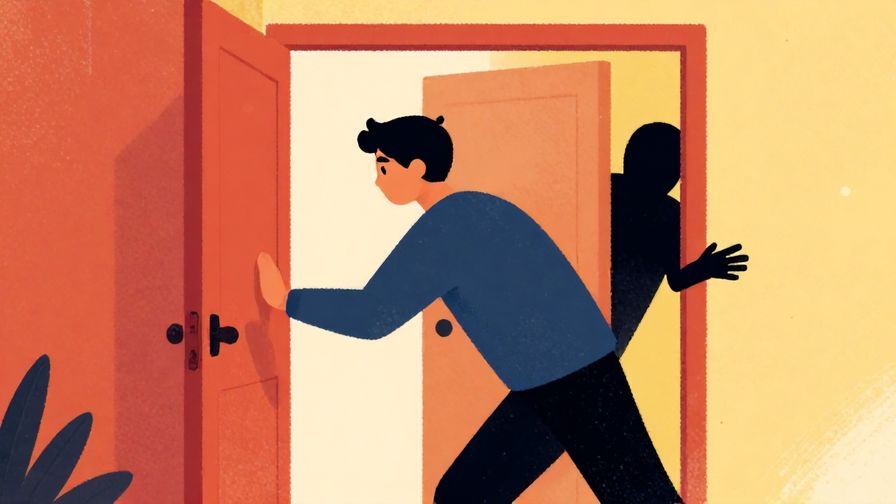
This is the closest direct translation of “Fool me once, shame on you.”
一度だまされたら (ichido damasaretara) means “if fooled once,” 二度と (nido to) “never again,” 騙されるな (damasareru na) “don’t be fooled.”
Clear and effective, it’s a phrase to remind yourself or others not to repeat the same mistake.
It’s practical and easy to remember with repetition.
Perfect for serious or casual use depending on your tone.
Keep this handy for when you want to sound firm but fair.
7. 一度ならず二度も騙された (Ichido narazu nido mo damasareta) – “Fooled not once but twice.”
This phrase tells a story of repeated deception.
一度ならず (ichido narazu) “not once,” 二度も (nido mo) “twice,” 騙された (damasareta) “was fooled.”
It’s a good expression to share experiences of being taken advantage of multiple times.
Often used to get sympathy or express frustration.
Helps you sound more natural when telling your story.
Try it when you want to show you’ve been burned more than once.
8. 慎重に行動しよう (Shinchou ni koudou shiyou) – “Let’s act carefully.”

A softer way to express caution and avoid being fooled again.
慎重に (shinchou ni) means “carefully,” 行動しよう (koudou shiyou) “let’s act.”
It’s collaborative and positive, great when advising friends or coworkers.
Easy to remember because it sounds encouraging.
Use this phrase when you want to focus on prevention rather than blame.
Perfect for everyday conversation and group settings.
Part 2: Polite & Formal Suggestions
9. 二度と同じ過ちは繰り返さない (Nido to onaji ayamachi wa kurikaesanai) – “I won’t repeat the same mistake twice.”
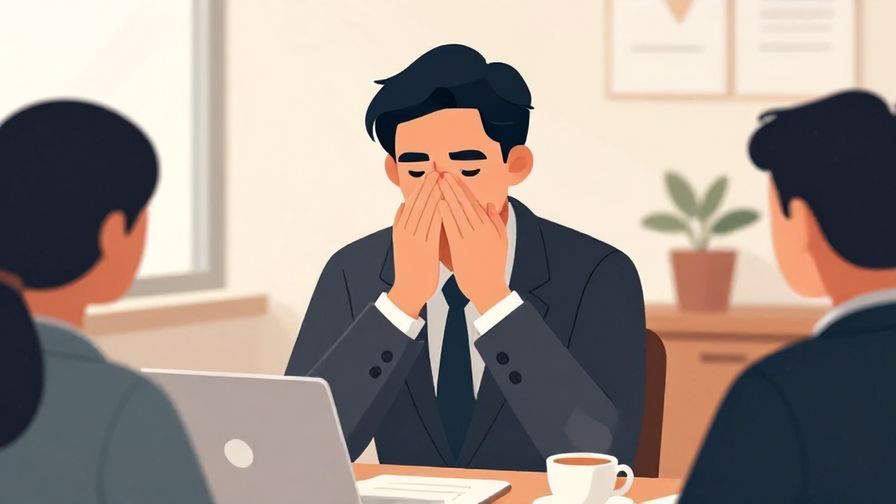
This polite phrase is great for formal settings or serious conversations.
二度と (nido to) “never again,” 同じ (onaji) “same,” 過ち (ayamachi) “mistake,” 繰り返さない (kurikaesanai) “won’t repeat.”
It’s a clear and respectful way to admit learning from a mistake.
Perfect for work, school, or when addressing authority.
It shows maturity and responsibility.
Practice this phrase to sound professional and sincere.
10. 一度騙されたら、それは教訓です (Ichido damasaretara, sore wa kyōkun desu) – “If fooled once, that’s a lesson.”
A polite way to say that being fooled once is a learning opportunity.
教訓 (kyōkun) means “lesson” or “moral.”
This phrase sounds reflective and wise.
Good for formal talks or writing.
It gently acknowledges the mistake without blame.
Use it to show growth and understanding.
11. 二度目は許しません (Nidome wa yurushimasen) – “I won’t forgive a second time.”

A firm but polite way to say you won’t tolerate being fooled again.
二度目 (nidome) “second time,” 許しません (yurushimasen) “won’t forgive.”
It’s strong and to the point.
Useful in formal or business contexts where trust is key.
Shows clear boundaries and seriousness.
Good to practice when you want to sound confident and respectful.
12. 経験から学びましょう (Keiken kara manabimashou) – “Let’s learn from experience.”

A positive, formal phrase emphasizing learning together.
経験 (keiken) “experience,” 学びましょう (manabimashou) “let’s learn.”
Great for meetings or teaching moments.
It encourages growth without focusing on blame.
Use to promote teamwork and shared wisdom.
Simple and uplifting for any formal conversation.
13. 繰り返しは避けましょう (Kurikaeshi wa sakemashou) – “Let’s avoid repetition.”
A gentle, polite way to suggest avoiding repeated mistakes.
繰り返し (kurikaeshi) “repetition,” 避けましょう (sakemashou) “let’s avoid.”
It’s useful advice during discussions or reviews.
Soft and encouraging in tone.
Great for leaders or teachers addressing groups.
Helps keep conversations positive and focused.
14. 信頼は大切にしましょう (Shinrai wa taisetsu ni shimashou) – “Let’s cherish trust.”

A formal phrase reminding others about the importance of trust.
信頼 (shinrai) “trust,” 大切にしましょう (taisetsu ni shimashou) “let’s cherish.”
It’s a positive way to encourage honesty and reliability.
Perfect for business or serious conversations.
Use it to emphasize respect and mutual understanding.
Simple, polite, and impactful.
15. もう二度と騙されません (Mou nido to damasaremasen) – “I won’t be fooled again.”

This phrase states your firm decision not to be deceived again.
もう (mou) “anymore,” 二度と (nido to) “never again,” 騙されません (damasaremasen) “won’t be fooled.”
It’s polite yet strong.
Great for conversations expressing resolve.
Shows self-awareness and growth.
Easy to use when you want to sound confident and polite.
16. 注意深く行動しましょう (Chūi bukaku koudou shimashou) – “Let’s act cautiously.”
A formal suggestion to proceed with caution.
注意深く (chūi bukaku) “carefully,” 行動しましょう (koudou shimashou) “let’s act.”
It’s collaborative and respectful.
Perfect for meetings or group decisions.
Encourages mindfulness and safety.
Useful in professional and polite contexts.
Part 3: Very Casual / Native-like Expressions
17. もう騙されねぇよ (Mou damasarenē yo) – “I ain’t getting fooled again.”

This is a very casual, native-sounding way to say you won’t be fooled again.
もう (mou) “anymore,” 騙されねぇ (damasarenē) is a rough colloquial for “won’t be fooled,” and よ (yo) adds emphasis.
It’s strong and informal—perfect among close friends.
Sounds natural and authentic in everyday conversations.
Use it when you want to sound cool and confident.
Great for casual settings and quick comebacks.
18. バカを見るのはもうゴメンだ (Baka o miru no wa mou gomen da) – “I’m done being the fool.”

This casual phrase expresses frustration at being fooled.
バカを見る (baka o miru) literally “to see the fool,” meaning “to be fooled,” and ゴメンだ (gomen da) “I’m done” or “no thanks.”
Used when you’re fed up with being tricked.
It’s relatable and direct.
Commonly used in everyday speech among friends.
Helps you vent without being rude.
19. 二度と騙されたくねぇ (Nido to damasaretakunee) – “I don’t wanna be fooled again.”

A very casual, colloquial way to say you don’t want to be fooled again.
二度と (nido to) “never again,” 騙されたくねぇ (damasaretakunee) is slang for “don’t want to be fooled.”
Sounds natural among young people.
Good for informal chats or texts.
Easy to remember and use in casual settings.
Expresses determination with a laid-back vibe.
20. そんなヤツ、もう信用しねぇ (Sonna yatsu, mou shinyou shinee) – “I won’t trust that kind of person anymore.”

This is a casual, strong way to say you won’t trust someone again.
そんなヤツ (sonna yatsu) “that kind of person,” もう (mou) “anymore,” 信用しねぇ (shinyou shinee) “won’t trust.”
Use it when you want to cut ties with someone untrustworthy.
Sounds native and emphatic.
Great for conversations about broken trust.
Perfect if you want to be clear and straightforward.
21. もう騙されたくねえってば (Mou damasaretakunee tte ba) – “I’m telling you, I don’t wanna be fooled again.”
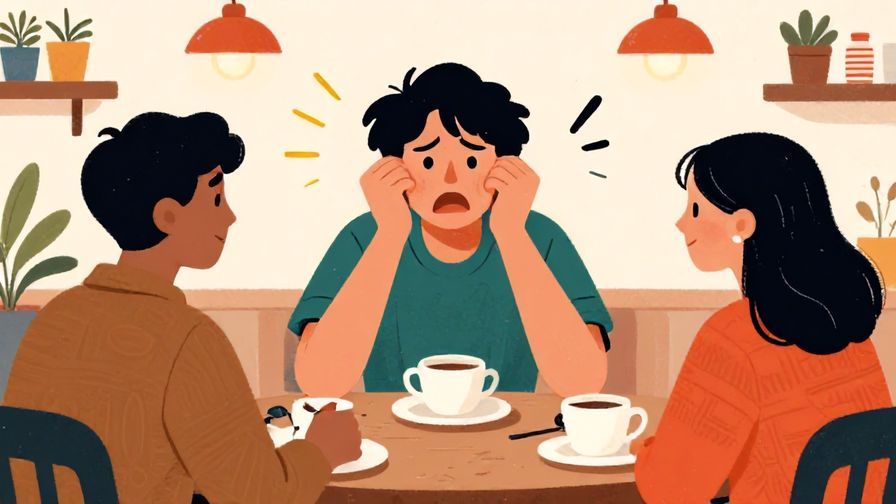
This phrase adds a casual emphasis with ってば (tte ba), like “I’m telling you.”
It’s very casual and conversational, perfect among friends.
Helps express frustration without sounding too serious.
Easy to use in daily talk or text messages.
Sounds authentic and native-like.
A fun way to vent while keeping it light.
22. 二度と騙されないように気をつけるわ (Nido to damasarenai you ni ki o tsukeru wa) – “I’ll be careful not to be fooled again.”

This casual feminine expression shows determination to stay cautious.
二度と (nido to) “never again,” 騙されないように (damasarenai you ni) “so as not to be fooled,” 気をつける (ki o tsukeru) “to be careful,” and わ (wa) a feminine sentence ending.
It’s natural and soft, perfect for friendly chats.
Shows maturity while sounding approachable.
Great to practice to sound more native.
Use it to express your resolve gently but clearly.
Concluding Thought
Exploring these 22 Japanese ways to say “Fool me once, shame on you” shows how rich and varied expressions of caution can be.
From casual to formal, and native-like to humorous, each phrase offers a unique flavor and practical use.
Keep practicing these, and you’ll not only sound more natural but also gain valuable wisdom to share in everyday life. Stay sharp and enjoy your language journey!