22 Japanese ways to say “Final warning”
Sometimes, we all need a little nudge to get back on track, right? Whether at work, school, or just in everyday life, understanding how to say “final warning” in Japanese can come in handy.
But don’t worry, this isn’t about being harsh or scary—it’s about learning some useful phrases that convey seriousness with a warm touch.
Japanese has so many ways to express subtle differences in tone and urgency, and we’re diving right into 22 of them.
From casual to formal, and even very native-like expressions, this list will help you communicate that “last chance” message clearly and politely.
Plus, you’ll get some pronunciation tips and simple explanations for each phrase to make it easy to remember.
Ready to sharpen your Japanese skills? Let’s jump in and explore these final warning expressions together!
Understanding the Basics of Final Warnings in Japanese
Before we get to the list, it’s good to know that Japanese often uses context and tone to express warnings, not just words.
There are direct phrases, softer hints, and formal expressions depending on who you’re talking to and how serious the situation is.
Knowing when and how to use these phrases can make a big difference in communication.

Sometimes, using a great beginner phrasebook can give you a perfect starting point for a cohesive understanding.
It’s a simple and effective way to build confidence before tackling more complex expressions.
And remember, practice makes perfect!
Part 1: Casual Suggestions
1. 最後の警告 (Saigo no keikoku) – “Final warning”
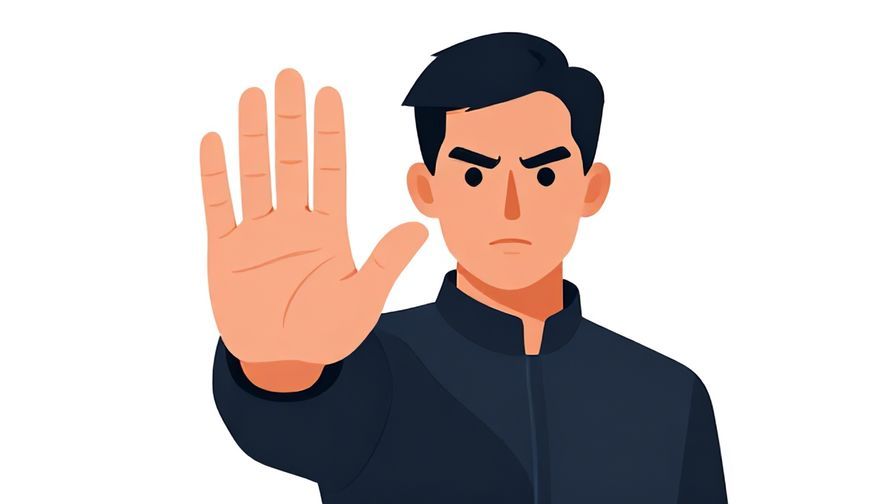
This is the straightforward way to say “final warning” in Japanese.
“最後” (saigo) means “last” or “final,” and “警告” (keikoku) means “warning.”
Use this when you want to clearly communicate that this is the very last alert before consequences.
It’s direct but not rude—just firm.
For example, in a workplace setting, you might hear this phrase when a serious issue is being addressed.
Perfect for situations when you need to be clear but still professional.
2. これが最後です (Kore ga saigo desu) – “This is the last time”

This phrase softens the warning a bit but still shows seriousness.
“これ” (kore) means “this,” “が” (ga) is a subject particle, “最後” (saigo) is “last,” and “です” (desu) is a polite ending.
It’s great for casual yet firm reminders.
It’s like saying, “Hey, this is your last chance, okay?”
You might use this with friends or colleagues in a light-hearted but clear way.
It helps keep relationships smooth while delivering the message.
3. 最終通告 (Saishū tsūkoku) – “Final notice”

This one is often used in official or legal contexts.
“最終” (saishū) means “final,” “通告” (tsūkoku) means “notice” or “announcement.”
It’s commonly used in contracts, bills, or serious reminders.
Not very casual, so best saved for formal situations.
Think of it as a serious heads-up before something important happens.
Perfect for business or formal emails.
4. もう一度だけ警告します (Mō ichido dake keikoku shimasu) – “This is your one last warning”
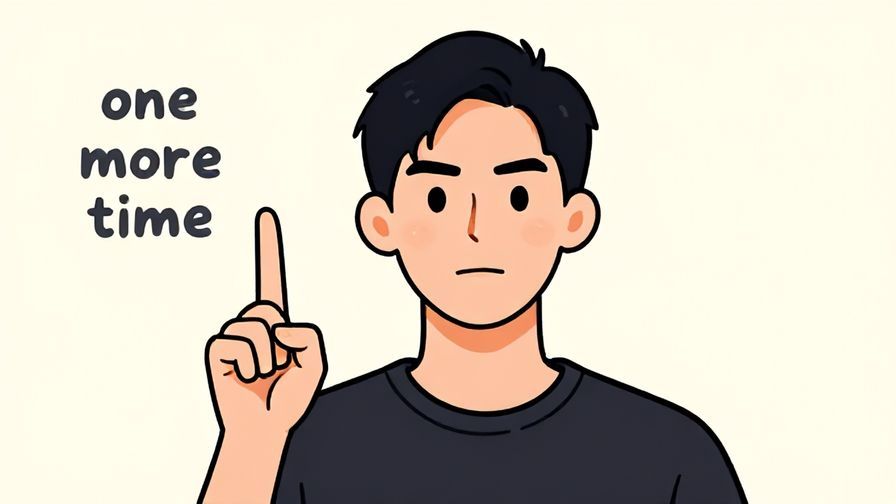
Here you are politely warning someone one last time.
“もう一度だけ” (mō ichido dake) means “just one more time,” “警告します” (keikoku shimasu) means “I warn you.”
This phrase is polite but leaves no doubt about your seriousness.
Use it when you want to be respectful but clear.
It’s a useful phrase for managers or teachers.
Shows that you’re patient but the limit is near.
5. 注意して (Chūi shite) – “Be careful / Take care”

This is a lighter way to give a warning.
“注意” (chūi) means “caution,” and “して” (shite) is the command form of “to do.”
It’s like saying “Watch out!” without sounding harsh.
Great for casual, friendly reminders.
Though it doesn’t mean “final warning” literally, it can be used before escalating to a firmer phrase.
Good for everyday situations.
6. 言い聞かせる (Ii kikasero) – “To warn firmly”

This is a verb meaning “to warn” or “to admonish.”
When used, it implies a serious talk—often a last warning.
Literally, it’s about making someone understand through explanation.
Use it when telling a story or describing giving a final warning.
Context is key here, so pair it with clear phrases.
It’s a good way to sound natural when talking about warnings in conversations.
7. これ以上は許しません (Kore ijō wa yurushimasen) – “No more tolerance”

This phrase is a very clear final warning.
“これ以上” (kore ijō) means “any more,” “許しません” (yurushimasen) means “will not forgive/tolerate.”
It shows that the person has reached their limit.
Use it when you want to be very serious and firm.
Good for work or personal boundaries.
It carries strong emotional weight, so use carefully!
8. 最後通告 (Saigo tsūkoku) – “Last notice”

Another formal way to say “final warning.”
“最後” (saigo) means “last,” “通告” (tsūkoku) means “notice.”
This is often used in formal letters or official conversations.
It’s a bit softer than “最終通告” but still serious.
Great for business or legal contexts.
Keep it professional to maintain respect.
Part 2: Polite & Formal Suggestions
9. ご注意ください (Go-chūi kudasai) – “Please be careful”
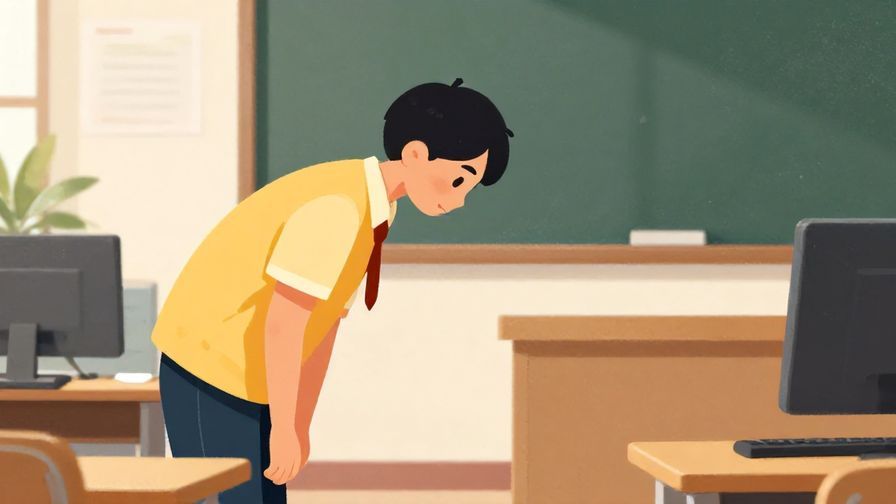
This is a very polite way to warn someone.
“ご” (go) is an honorific prefix, “注意” (chūi) means “caution,” “ください” (kudasai) is “please.”
Use it in customer service or formal requests.
It’s gentle but still shows a warning.
Great for emails or announcements.
Balancing kindness with seriousness perfectly.
10. 最終警告いたします (Saishū keikoku itashimasu) – “I hereby give final warning”

This is a very formal and humble way to give a final warning.
“最終” (saishū) means “final,” “警告” (keikoku) means “warning,” “いたします” (itashimasu) is the humble form of “to do.”
Use it in official situations when you want to be respectful.
It’s perfect in written notices or formal meetings.
Sounds professional and polite.
Shows authority without being rude.
11. これが最後のお願いです (Kore ga saigo no onegai desu) – “This is my last request”

This phrase is a polite, heartfelt way to warn.
“お願い” (onegai) means “request,” so it’s softer than a direct warning.
Great for situations where you want to appeal politely before the final step.
Use it with friends, family, or colleagues.
It’s more emotional and less formal than others.
Helps keep relationships while being clear.
12. 厳重に注意します (Genjū ni chūi shimasu) – “I warn you strictly”

This phrase shows a firm and strict warning.
“厳重に” (genjū ni) means “strictly,” and “注意します” (chūi shimasu) means “I warn.”
Use it for serious but polite warnings.
Good in professional or educational settings.
It conveys no-nonsense attitude without being aggressive.
Helps maintain authority and respect.
13. 最後通告を申し上げます (Saigo tsūkoku o mōshiagemasu) – “I humbly give the final notice”

Highly formal and humble, often used in official speeches or letters.
“申し上げます” (mōshiagemasu) is a very polite form of “to say.”
Use this to emphasize respect along with the warning.
Perfect for legal or business contexts.
Sounds very respectful and serious.
Shows both authority and humility.
14. 最後のチャンスです (Saigo no chansu desu) – “This is your last chance”
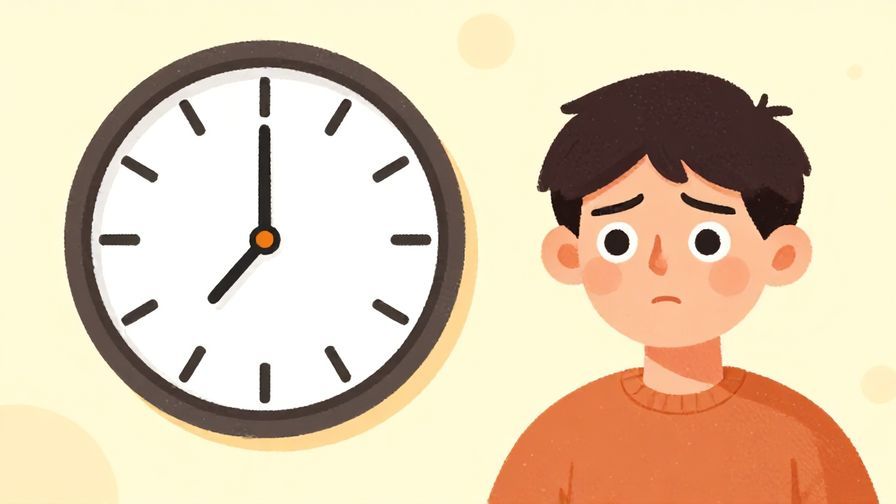
This phrase is polite but clear about the urgency.
“チャンス” (chansu) is “chance,” borrowed from English.
Use it in conversations to warn gently but seriously.
It’s easy to remember and very common.
Works well in both casual and polite contexts.
It motivates action without sounding threatening.
15. これ以上は許容できません (Kore ijō wa kyoyō dekimasen) – “No further tolerance is possible”

This is a formal way to say “no more tolerance.”
“許容できません” (kyoyō dekimasen) means “cannot tolerate.”
Use this phrase to set firm boundaries politely but clearly.
Good for professional emails or meetings.
Shows seriousness without aggression.
Helps keep communication respectful and clear.
16. 最終警告状 (Saishū keikoku-jō) – “Final warning letter”

This phrase refers to a formal written final warning.
“状” (jō) means “letter” or “document.”
Used in legal or business letters.
It’s formal and professional.
Typically used in official communications.
Good to know if you deal with contracts or HR.
Part 3: Very Casual / Native-like Expressions
17. もう許さないよ (Mō yurusanai yo) – “I won’t forgive anymore”
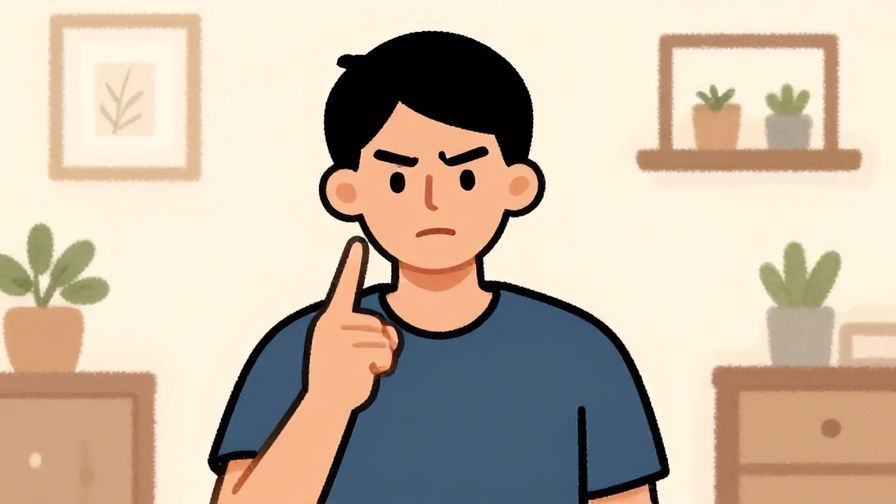
This is a casual but serious way to warn someone.
“もう” (mō) means “already/anymore,” “許さない” (yurusanai) means “won’t forgive,” and “よ” (yo) adds emphasis.
Used mainly among friends or family.
It’s emotional and direct.
Shows you’ve reached your limit.
Great for strong final warnings in a close relationship.
18. これ以上やったら怒るよ (Kore ijō yattara okoru yo) – “If you do more, I’ll get mad”

A casual warning with a friendly vibe.
“これ以上やったら” (kore ijō yattara) means “if you do more,” “怒るよ” (okoru yo) means “I’ll get angry.”
Good for teasing but serious moments.
Used among friends or siblings.
Soft but clear warning.
Easy to remember and very natural.
19. 本気だよ (Honki da yo) – “I’m serious”

Sometimes, the simplest phrase can work as a final warning.
“本気” (honki) means “serious,” “だよ” (da yo) adds emphasis.
Use it when your tone carries the weight.
It’s casual but very clear.
Great for conversations where tone matters.
Quick and effective.
20. もう終わりだよ (Mō owari da yo) – “It’s over now”

This phrase is casual and final.
“もう” (mō) means “already,” “終わり” (owari) means “end,” and “だよ” (da yo) adds emphasis.
It implies no more chances.
Used among close people or casual settings.
It’s emotional and clear.
Helps express the finality in a natural way.
21. ここまでだよ (Koko made da yo) – “This is it” / “It ends here”

A casual way to say the final limit.
“ここまで” (koko made) means “up to here,” “だよ” (da yo) adds emphasis.
Good for informal warnings.
It’s clear but not harsh.
Used among friends or coworkers.
Helps communicate limits naturally.
22. いい加減にして (Ii kagen ni shite) – “Enough already” / “Cut it out”
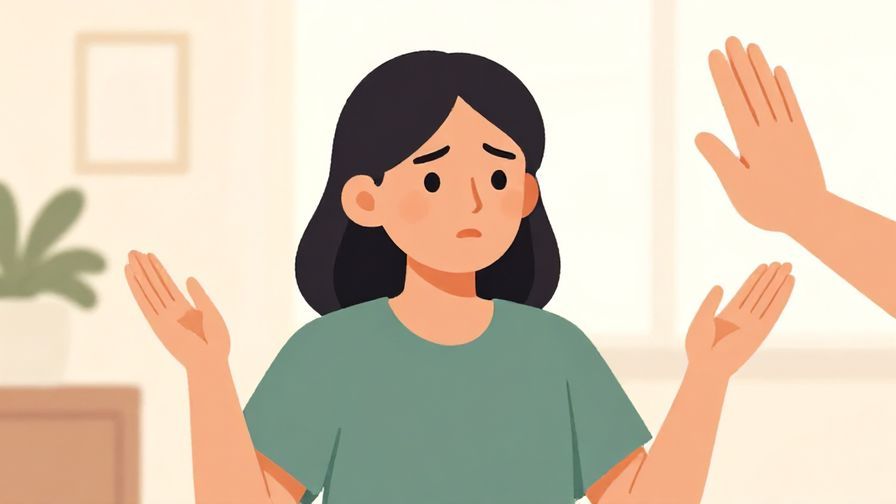
This is a very casual, native-like phrase expressing impatience.
“いい加減にして” (ii kagen ni shite) means “do it reasonably” or “stop it.”
It’s commonly used when you’ve reached your limit.
Perfect for close friends or family.
Not rude if tone is right, but firm.
Very useful for everyday situations.
Concluding Thought
Learning how to say “final warning” in Japanese isn’t just about memorizing phrases—it’s about understanding context, tone, and relationships.
From formal to casual, each phrase carries its own flavor and appropriateness, making your communication more natural and effective.
Keep practicing these expressions, and you’ll confidently handle those tricky “last chance” moments with warmth and clarity!