22 Japanese ways to say “Fighting spirit”
Everyone needs a little fighting spirit now and then, right? That inner fire that pushes you forward, no matter what.
In Japanese, there are so many beautiful ways to express this feeling, each with its own unique vibe and nuance.
Whether you’re cheering on a friend, motivating yourself, or just want to sound a bit more like a native speaker, these phrases will come in handy.
Let’s dive into 22 Japanese ways to say “fighting spirit”—from casual sayings to more formal ones and even some native-like expressions.
Learning these can boost your confidence and help you connect deeper with the language and culture.
Ready to ignite your inner warrior? Let’s get started!
Understanding Fighting Spirit in Japanese
Fighting spirit isn’t just about physical strength—it’s about determination, heart, and resilience.
In Japanese, this concept is often wrapped up in words about courage, energy, and willpower.
These expressions capture everything from a quiet resolve to a loud battle cry.

Sometimes, using a great beginner phrasebook can give you a perfect starting point for a cohesive understanding.
Many of these words share roots in traditional Japanese culture, like martial arts and samurai spirit.
Even if you’re new to the language, these phrases are easy to learn and fun to use!
Part 1: Casual Suggestions
1. 頑張って (Ganbatte) – “Do your best!”

This is probably the most common way to encourage someone in Japanese.
It literally means “hang in there” or “do your best,” and you’ll hear it everywhere, from school to work to sports.
It’s casual and friendly, perfect for friends and family.
Saying “Ganbatte!” shows you believe in someone’s fighting spirit.
It’s related to 頑張る (ganbaru), the verb meaning “to persist.”
Keep this phrase handy—it’s a great go-to for positive vibes!
2. ファイト (Faito) – “Fight!”

Borrowed from English, this word is used in Japan as a casual cheer.
It’s like shouting “You got this!” and works well in sports or any challenge.
Simple to remember and fun to shout out loud.
Just be mindful—it’s casual, so use it with friends or teammates.
It pairs nicely with がんばれ (ganbare), a stronger “do your best!”
Try shouting “Faito!” next time you want to pump someone up!
3. 気合 (Kiai) – “Spirit, energy, fighting yell”

Kiai is the shout martial artists make to focus their energy.
It represents intense fighting spirit and mental focus.
It’s often used metaphorically to mean “get fired up” or “put your spirit into it.”
Learning this word helps you understand Japanese mindset in sports and battles.
It’s connected to 気 (ki), meaning “spirit” or “energy,” and 合 (ai), meaning “join.”
Try imagining your own battle cry to channel your kiai!
4. 根性 (Konjō) – “Guts, perseverance”

Rooted in samurai culture, this word means grit and determination.
It literally means “root” (根) and “nature/character” (性), so it’s your core spirit.
It’s a bit more intense and old-school than 頑張って, leaning toward tough perseverance.
Use it to praise someone who refuses to give up.
It’s often used when someone pushes past hard times.
Remember, konjō is your inner strength shining through!
5. 勝負魂 (Shōbu-damashii) – “Fighting spirit, competitive soul”

Combine 勝負 (shōbu), meaning “match” or “contest,” with 魂 (tamashii/damashii), meaning “soul.”
This phrase captures the spirit that drives competition and battle.
It’s often used in sports or games to describe someone’s fiery will to win.
A great phrase to learn if you love competitive energy.
It’s a bit formal but still natural in everyday speech.
Think of it as the soul behind every fight or challenge!
6. やる気 (Yaruki) – “Motivation, willingness to do something”

This word literally means “willingness to do.”
It captures the feeling of wanting to take action and push forward.
It’s more about internal drive than external shouting.
Great to describe someone’s fighting spirit in daily life.
It’s casual and easy to use in conversation.
If you want to say “I’m motivated,” just say やる気がある (yaruki ga aru)!
7. 気力 (Kiryoku) – “Mental strength, willpower”

気力 means the energy of the spirit or willpower.
This is the quiet but powerful energy that keeps you going.
It’s often used in situations requiring endurance or mental toughness.
Perfect for describing someone’s internal fighting spirit.
Try pairing it with 体力 (tairyoku), physical strength, to get the full picture.
It’s a solid word to express deep inner strength.
8. 闘志 (Tōshi) – “Fighting spirit, combativeness”

This word combines 闘 (fight) and 志 (will, intention).
It’s a strong, almost aggressive term for fighting spirit.
Often used in sports or military contexts.
It’s a great phrase to describe fierce determination.
Use it when you want to emphasize someone’s readiness to battle.
It’s formal but very impactful!
Part 2: Polite & Formal Suggestions
9. 精神力 (Seishinryoku) – “Mental fortitude, spirit power”

精神 (seishin) means “spirit” and 力 (ryoku) means “power.”
It refers to the strength of mind and spirit, especially in tough situations.
Used in formal or academic discussions about psychology or sports.
It’s a respectful way to talk about someone’s fighting spirit.
Good for business or serious conversations.
Perfect when you want to sound polished and thoughtful.
10. 不屈の精神 (Fukutsu no seishin) – “Indomitable spirit”

不屈 (fukutsu) means “unyielding” or “indomitable.”
Combined with 精神 (seishin), it forms a phrase meaning “unbreakable fighting spirit.”
It’s a very strong, formal expression for resilience.
Use it when praising someone who never gives up, no matter what.
It has a poetic, almost heroic feel.
Great for speeches or writing about overcoming adversity.
11. 気概 (Kigai) – “Spirit, backbone, guts”

気概 means the spirit or backbone to face challenges.
It’s somewhat formal but still used in everyday language.
It’s about having the guts to stand up and face difficulties.
Often used to describe leaders or strong personalities.
It’s a concise way to praise someone’s fighting spirit.
Try using it when describing courage in tough situations.
12. 熱意 (Netsui) – “Passion, enthusiasm”

熱意 captures the passionate fighting spirit behind actions.
It’s polite and often used in professional or academic settings.
It reflects strong enthusiasm and dedication.
Use it to compliment someone’s commitment.
It’s a softer, heartfelt way to express fighting spirit.
Great for describing motivation in work or study.
13. 気迫 (Kihaku) – “Fighting spirit, intense energy”
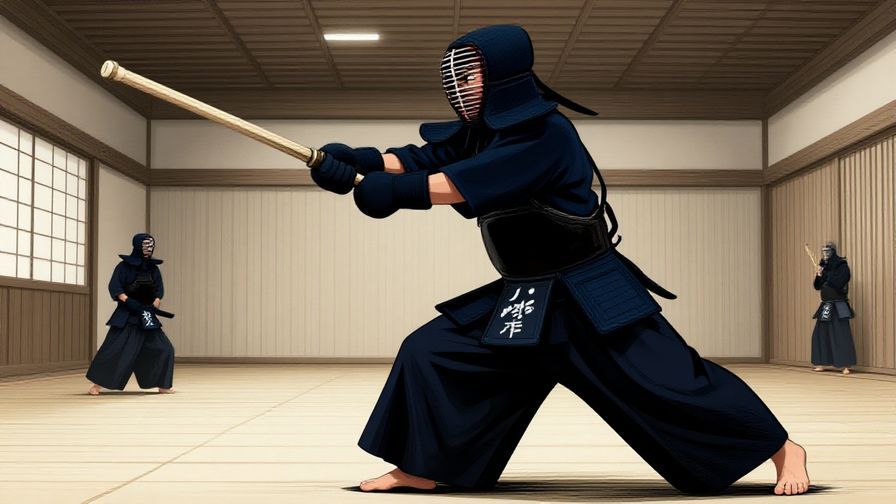
気迫 means the intense energy or aura someone gives off when fighting.
It’s formal yet vivid, often used in sports or battle scenes.
It suggests a strong presence that can intimidate opponents.
Perfect for describing someone’s fierce determination.
Use it when you want to highlight someone’s powerful fighting spirit.
It’s a dramatic and expressive word.
14. 勇気 (Yūki) – “Courage, bravery”

勇気 simply means courage, a key part of fighting spirit.
It’s polite, common, and easy to use.
It’s about having the bravery to face fears and challenges.
A very positive and encouraging word.
Use it in everyday conversation or writing to inspire.
It’s a classic way to express the heart of fighting spirit.
15. 意気込み (Ikigomi) – “Enthusiasm, determination”

意気込み means the strong determination or enthusiasm to do something.
It’s polite and often used to express readiness or excitement.
Great for speeches or cheering someone on formally.
It captures that eager fighting spirit before a challenge.
Use it when talking about your own or others’ motivation.
It’s a positive and energetic word.
16. 決意 (Ketsui) – “Resolution, determination”

決意 means a firm decision or resolution to do something.
It’s formal and strong, representing a serious fighting spirit.
Use it when you want to emphasize commitment or a vow.
It’s often used in formal writing or speeches.
It shows the mental strength behind actions.
Perfect for moments of deep personal resolve.
Part 3: Very Casual / Native-like Expressions
17. やったるで! (Yattaru de!) – “I’ll do it for sure!”

This is a very casual, Kansai dialect phrase bursting with fighting spirit.
It means “I’m definitely going to do it!” with lots of energy.
Perfect for showing confidence and determination among friends.
It’s informal, so save it for close relationships.
Related to やる (yaru), meaning “to do.”
It’s a fun way to sound like a local and express your fire.
18. 負けへんで! (Makehen de!) – “I won’t lose!”

Another Kansai dialect phrase meaning “I won’t lose!”
It’s casual, confident, and full of fighting spirit.
Great for motivating yourself or others in a friendly way.
Use it where you want to express determination with local flavor.
It’s a strong statement without being aggressive.
Try it out for a natural, native-like vibe!
19. やる気満々 (Yaruki manman) – “Full of motivation”

This phrase means “completely motivated” or “ready to go.”
It’s casual but common among young people.
Perfect for saying you’re pumped up and ready for a challenge.
It literally means “motivation full-full.”
Use it to hype yourself or friends.
A lively way to show your fighting spirit in everyday talk.
20. いけいけ! (Ike ike!) – “Go for it! / Let’s go!”

“Ike ike!” is a casual cheer meaning “Go! Go!”
It’s energetic and used to encourage someone to push forward.
Great for sports, competitions, or any challenge.
It’s easy to shout and instantly boosts morale.
Use it with friends or teammates for quick encouragement.
A fun, native way to spark fighting spirit.
21. 気合い入れて (Kiai irete) – “Put in your spirit!”

This casual phrase means “focus your energy” or “get fired up.”
Used right before starting something tough.
It literally tells someone to “put in their fighting spirit.”
It’s a familiar and motivating phrase.
Great for sports, tests, or any challenge.
Try it on yourself for instant mental prep!
22. 負けるもんか! (Makeru mon ka!) – “No way I’ll lose!”

This is a strong, casual phrase meaning “There’s no way I’m losing!”
It’s full of fighting spirit and determination.
Great for hyping yourself up before a challenge.
It has a defiant and confident tone.
Use it with friends or when you want to sound energetic.
A perfect phrase for those moments you need to declare your willpower!
Concluding Thought
Exploring these 22 ways to say “fighting spirit” in Japanese shows just how rich and nuanced the language is.
From casual cheers to formal declarations, each phrase carries its own special energy and context.
So next time you need to boost your or someone else’s spirit, you’ll have the perfect word ready to go. Keep that fire burning!