22 Japanese ways to say “Every cloud has a silver lining”
We all know that feeling when things don’t go as planned. But, as the saying goes, “Every cloud has a silver lining.”
In Japanese, this comforting idea can be expressed in many beautiful ways, each with its own nuance and charm.
Exploring these phrases not only deepens your understanding of the language but also connects you to the culture’s hopeful spirit.
Whether you’re learning Japanese or just love inspirational sayings, these 22 expressions will brighten your day and boost your optimism.
Plus, having a few fresh ways to say it in conversation can make you sound more natural and thoughtful.
Ready to discover these warm, encouraging Japanese phrases? Let’s dive in!
Finding Hope in Words
Japanese culture often uses nature and subtle imagery to express hope and resilience.
Many of these phrases revolve around weather, seasons, and light, painting a gentle picture of optimism even in tough times.
They’re easy to remember and great for everyday encouragement.

Sometimes, using a great beginner phrasebook can give you a perfect starting point for a cohesive understanding.
Adding these expressions to your daily practice will make them second nature in no time.
They’re simple, meaningful, and encouraging — perfect for lifting your spirits and those around you.
Part 1: Casual Suggestions
1. 雨降って地固まる (Ame futte ji katamaru) – “After rain, the ground hardens.”

This phrase means that hardships make you stronger in the end.
“Ame” (ah-meh) means rain, “futte” (foot-teh) is the verb for falling, “ji” (jee) is ground, and “katamaru” (kah-tah-mah-roo) means to harden.
It’s a comforting way to remind yourself that tough times build resilience.
Use it casually when talking about overcoming challenges.
It’s similar to saying, “What doesn’t kill you makes you stronger.”
Keep this phrase in your back pocket to share encouragement with friends.
2. 七転び八起き (Nanakorobi yaoki) – “Fall seven times, stand up eight.”

This popular phrase encourages never giving up.
“Nanakorobi” (nah-nah-koh-roh-bee) means falling seven times, and “yaoki” (yah-oh-kee) means getting up eight times.
It’s a great motto for staying hopeful through setbacks.
You can say it to yourself or others when things get rough.
It reminds us that persistence brings success.
Try repeating it to build mental strength on tough days.
3. 悪いことの後には良いことが来る (Warui koto no ato ni wa ii koto ga kuru) – “Good things come after bad things.”

This phrase is a straightforward reminder that tough times are followed by better ones.
“Warui” (wah-roo-ee) means bad, “koto” (koh-toh) means thing or event, “ato” (ah-toh) means after, and “ii” (ee) means good.
It’s easy to say and perfect for casual conversations.
Use it when you want to comfort someone going through struggles.
It’s a gentle way to say, “Hang in there, things will improve.”
Keep this phrase handy for everyday encouragement.
4. 明けない夜はない (Akenai yoru wa nai) – “There is no night that doesn’t dawn.”

This poetic phrase reminds us that bad times won’t last forever.
“Akenai” (ah-keh-nah-ee) means never-ending, “yoru” (yo-roo) means night, and “nai” (nah-ee) means none or not exist.
It’s a comforting phrase to use in tough situations.
Say it to remind yourself or others that dawn always comes.
It’s like saying, “Every dark night ends with a sunrise.”
It’s a beautiful phrase to memorize and share.
5. 災い転じて福となす (Wazawai tenjite fuku to nasu) – “Turn misfortune into fortune.”
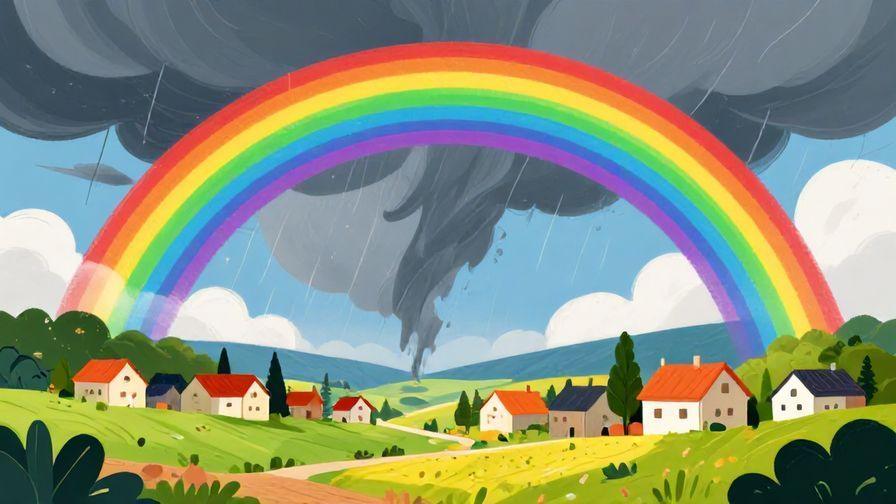
This proverb encourages making the best out of a bad situation.
“Wazawai” (wah-zah-wah-ee) means misfortune, “tenjite” (ten-jee-teh) means to turn or change, “fuku” (foo-koo) means fortune or luck, and “nasu” (nah-soo) means to do.
It’s an inspiring way to say that setbacks can be opportunities.
Use it when discussing how challenges can lead to growth.
It’s a great phrase for positive thinking.
Try to find ways to “turn misfortune into fortune” in your life.
6. 灯台下暗し (Tōdai moto kurashi) – “It’s dark under the lighthouse.”

This phrase means sometimes the best things or solutions are right under your nose.
“Tōdai” (toh-die) means lighthouse, “moto” (moh-toh) means under or base, and “kurashi” (koo-rah-shee) means dark or hidden.
It reminds us to look closely for silver linings nearby.
Use it when encouraging others to notice the positives close at hand.
It’s a subtle yet wise phrase about perspective.
Keep it in mind when feeling lost or discouraged.
7. 蓼食う虫も好き好き (Tade kuu mushi mo sukizuki) – “Some insects eat bitter plants; tastes differ.”
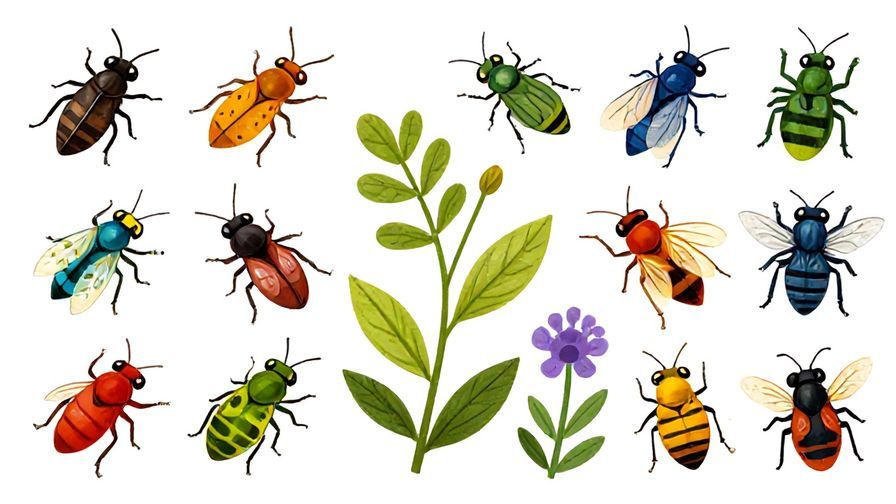
This quirky phrase means everyone has their own likes and finds value where others don’t.
“Tade” (tah-deh) is a bitter herb, “kuu” (koo) means to eat, “mushi” (moo-shee) means insect, and “sukizuki” (skee-zkee) means liking or preference.
Use it to remind someone that different viewpoints can find beauty in difficulty.
It’s a charming way to say “to each their own.”
It encourages appreciating differences and hidden positives.
Great for lightening the mood and sharing hope.
8. 花は桜木、人は武士 (Hana wa sakuragi, hito wa bushi) – “Among flowers, the cherry blossom; among people, the warrior.”

This poetic phrase highlights that beauty and strength coexist, inspiring hope through dignity.
“Hana” (hah-nah) means flower, “sakuragi” (sah-koo-rah-gee) is cherry blossom tree, “hito” (hee-toh) means person, and “bushi” (boo-shee) means warrior.
It’s a reminder to find inner strength amid challenges.
Use it to encourage someone facing adversity.
It connects nature’s beauty to human resilience.
Perfect for poetic or heartfelt moments.
Part 2: Polite & Formal Suggestions
9. 苦あれば楽あり (Ku areba raku ari) – “Where there is hardship, there is ease.”

This formal phrase gently assures that hard times are followed by comfort.
“Ku” (koo) means suffering or hardship, “areba” (ah-reh-bah) means if there is, “raku” (rah-koo) means ease or comfort, and “ari” (ah-ree) means is.
It’s perfect for polite conversation or writing.
Use it in emails or speeches to offer reassurance.
It’s a balanced and respectful way to share hope.
Try incorporating it in formal settings for encouragement.
10. 失敗は成功のもと (Shippai wa seikō no moto) – “Failure is the foundation of success.”

A very common formal phrase expressing the value of learning from mistakes.
“Shippai” (shee-pie) means failure, “seikō” (say-koh) means success, “no” (noh) is possessive, and “moto” (moh-toh) means origin or basis.
Use it politely to encourage perseverance.
Avoid using it to shame someone; it’s about positive growth.
Great in formal talks, emails, or lessons.
It’s a timeless reminder to keep trying.
11. 明日は明日の風が吹く (Ashita wa ashita no kaze ga fuku) – “Tomorrow’s wind will blow tomorrow.”

This polite proverb encourages focusing on today and trusting tomorrow.
“Ashita” (ah-shee-tah) means tomorrow, “kaze” (kah-zeh) means wind, and “fuku” (foo-koo) means to blow.
It’s a gentle way to say don’t worry too much about the future.
Use it in formal or informal settings to ease anxiety.
It’s like saying, “Let tomorrow take care of itself.”
A soothing phrase for many situations.
12. 以後良くなる (Igo yoku naru) – “Things will get better from now on.”

A polite and hopeful phrase to express future improvement.
“Igo” (ee-goh) means from now on, “yoku” (yoh-koo) means well or better, and “naru” (nah-roo) means to become.
It’s simple and positive for conversation or writing.
Use it to encourage others politely.
It’s perfect for work or social settings.
A great phrase to keep handy for future optimism.
13. 柳に風 (Yanagi ni kaze) – “Wind to the willow.”
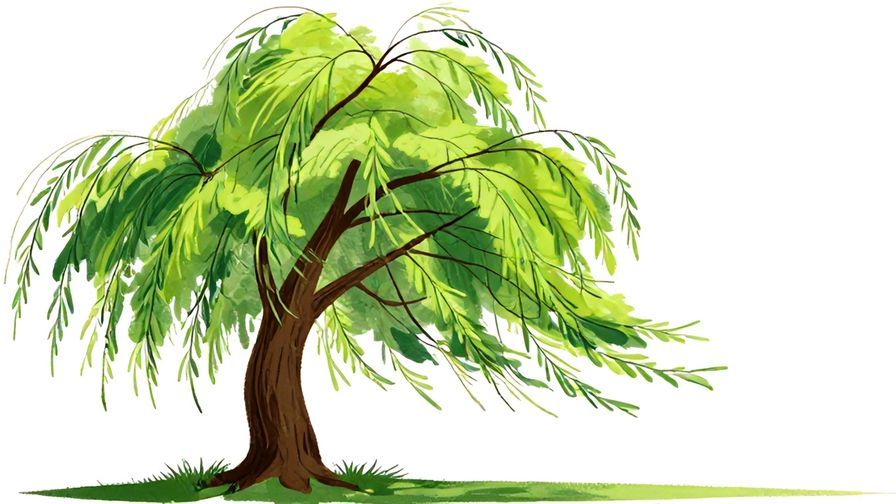
This formal expression highlights resilience by going with the flow.
“Yanagi” (yah-nah-gee) means willow tree, “ni” (nee) means to or towards, and “kaze” (kah-zeh) means wind.
It encourages adapting to challenges gracefully.
Use it in formal talks or writing to express calm strength.
It’s a nature-inspired metaphor for overcoming adversity.
Perfect for thoughtful encouragement.
14. 時は金なり (Toki wa kane nari) – “Time is money.”

This classic formal proverb reminds us to value time as precious.
“Toki” (toh-kee) means time, “kane” (kah-neh) means money, and “nari” (nah-ree) means is.
It’s a polite way to motivate efficient action and hope for good results.
Use it in business or study contexts.
It subtly encourages making the most of every moment.
Great for inspiring productivity with grace.
15. 雨降っても花咲く (Ame futtemo hana saku) – “Even if it rains, flowers bloom.”
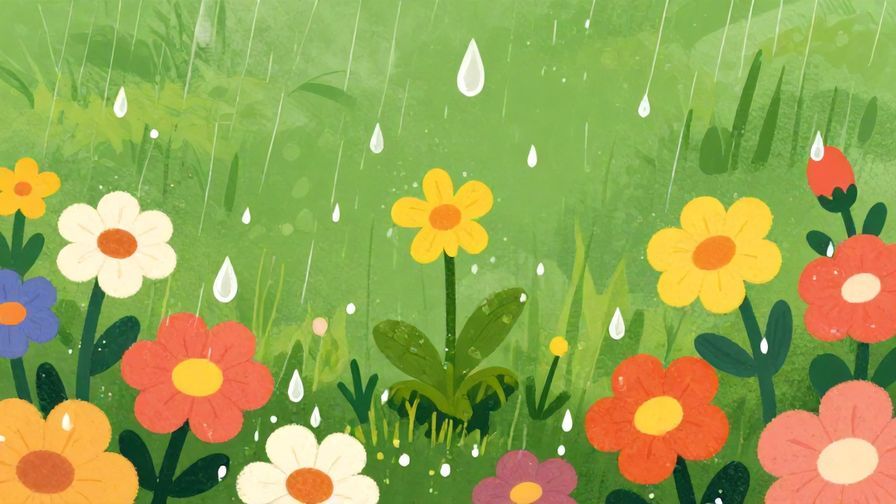
This polite phrase celebrates growth despite difficulties.
“Ame” (ah-meh) means rain, “futtemo” (foot-teh-moh) means even if it falls, “hana” (hah-nah) means flower, and “saku” (sah-koo) means bloom.
It’s a hopeful reminder that challenges help us flourish.
Use it in formal or casual contexts.
It’s perfect for encouraging patience and faith.
Try saying it when someone needs a morale boost.
16. 苦労は買ってでもせよ (Kurō wa katte demo seyo) – “Buy hardship if you must.”

This formal saying advises embracing challenges to gain strength.
“Kurō” (koo-roh) means hardship, “katte” (kaht-teh) means buy, “demo” (deh-moh) means even if, and “seyo” (seh-yoh) is a command form of do.
It’s a strong encouragement to accept struggles positively.
Use it politely to motivate perseverance.
Great in speeches or lessons about growth.
It teaches that hardship is an investment in yourself.
Part 3: Very Casual / Native-like Expressions
17. いいことあるさ (Ii koto aru sa) – “Good things will happen.”

This casual phrase is an easy, optimistic way to say “things will get better.”
“Ii” (ee) means good, “koto” (koh-toh) means thing, “aru” (ah-roo) means there is, and “sa” (sah) adds emphasis.
It’s perfect for everyday chats with friends.
Use it to cheer someone up quickly and naturally.
It sounds warm and reassuring without being too formal.
Try it to spread some casual positivity.
18. なんとかなる (Nantoka naru) – “It’ll work out somehow.”

A very common casual phrase expressing faith that things will turn out okay.
“Nantoka” (nahn-toh-kah) means somehow, and “naru” (nah-roo) means to become or happen.
It’s perfect for informal conversation.
Use it when you want to sound laid-back but positive.
It’s a go-to phrase to ease worry.
Try saying it when things feel uncertain but hopeful.
19. どん底から這い上がる (Donzoko kara haiagaru) – “Climb up from the very bottom.”

This vivid phrase describes overcoming the worst times.
“Donzoko” (dohn-zoh-koh) means lowest point or rock bottom, “kara” (kah-rah) means from, and “haiagaru” (high-ah-gah-roo) means to climb up.
It’s great for very casual, heartfelt conversations.
Use it to inspire friends who feel down.
It’s a powerful image of resilience.
Perfect for expressing hope after failure.
20. 青天の霹靂 (Seiten no hekireki) – “A bolt from the blue.”

This idiomatic phrase means a surprising event that changes everything.
“Seiten” (say-ten) means clear sky, “hekireki” (heh-kee-reh-kee) means sudden thunderclap or bolt.
Use it casually to talk about sudden positive or negative changes.
It’s a native-like way to express shock turning into opportunity.
Try it when something unexpected leads to better outcomes.
It’s a colorful phrase to liven up conversation.
21. 光明が見える (Kōmyō ga mieru) – “Light of hope is visible.”

This casual phrase means you can see hope ahead.
“Kōmyō” (koh-myoh) means light or brightness, “ga” (gah) is a subject marker, and “mieru” (mee-eh-roo) means to be visible.
It’s great for expressing optimism in conversation.
Use it when you or someone else starts to feel hopeful again.
It’s a gentle, uplifting phrase.
Perfect for casual encouragement.
22. 笑う門には福来る (Warau kado ni wa fuku kuru) – “Good fortune comes to the laughing gate.”

This cheerful phrase means happiness attracts good luck.
“Warau” (wah-rah-oo) means to laugh, “kado” (kah-doh) means gate, “fuku” (foo-koo) means fortune, and “kuru” (koo-roo) means to come.
It’s a native and warm way to say positivity brings blessings.
Use it casually with friends or family.
It’s a lovely phrase to brighten someone’s day.
Try sharing it to spread smiles and hope.
Concluding Thought
Exploring these Japanese sayings shows how beautifully language can capture hope and resilience.
Each phrase offers a unique way to comfort yourself or others when life gets tough.
Keep these expressions close, and let them remind you that no matter the challenge, a silver lining is always waiting.