22 Japanese ways to say “Don’t scare me like that”
We’ve all had that heart-jump moment when someone suddenly surprises us, right? In Japanese, there are plenty of warm, casual, and even playful ways to say “Don’t scare me like that.”
Whether you’re chatting with friends, family, or colleagues, knowing these phrases adds color to your conversations. Plus, it’s a fun way to connect culturally and express your feelings more naturally.
This listicle will guide you through 22 Japanese expressions for “Don’t scare me like that,” from polite to super casual.
Each phrase comes with pronunciation tips and simple explanations, so you can confidently use them next time someone sneaks up on you or jumps out unexpectedly.
Learning these will not only help you avoid awkward moments but also bring a smile to your face and others’!
Ready to stay cool and say it like a native? Let’s jump right in.
Understanding the Basics Before Diving In
Before we jump into the list, it’s helpful to know the core words often used in these phrases.
The verb 怖がる (こわがる, kowagaru) means “to be scared.” Also, びっくりする (bikkuri suru) means “to be surprised.” You’ll see variations of these throughout the list.
Knowing these basics makes it easier to understand and remember the phrases.
For extra help, using a good basic Japanese dictionary can be a handy companion.
Once you’re familiar with these words, the next phrases will feel even more natural.
Let’s start with some casual ways to say it!
Part 1: Casual Expressions
1. びっくりさせないで! (Bikkuri sasenai de!) – “Don’t surprise me!”

This is a straightforward and very common phrase to say “Don’t scare me!”
Here, びっくり (bikkuri) means “surprise,” and させないで (sasenai de) means “don’t make (someone) do.” Together, it politely asks someone not to surprise you.
It’s casual enough to use with friends and family but still clear and direct.
Perfect for everyday surprises.
You might also hear just びっくりした! (I got surprised!) to express the feeling afterward.
Next time someone jumps out at you, try this phrase with a smile—it’s friendly and natural.
2. そんなに怖がらせないでよ! (Sonnani kowagarasenaide yo!) – “Don’t scare me that much!”
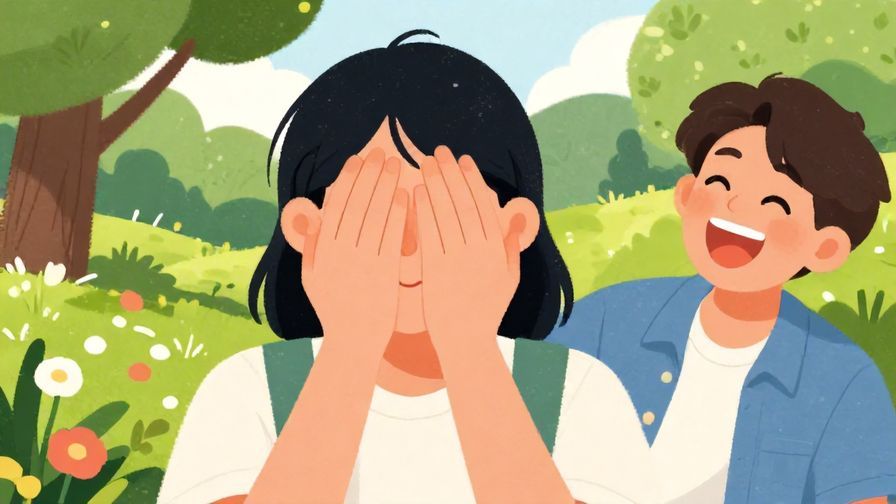
This phrase emphasizes “that much” or “so much” with そんなに (sonnani).
怖がらせないで (kowagarasenaide) means “don’t scare (me).” Adding よ (yo) adds a friendly, emotional tone.
It’s casual and perfect for teasing someone who startled you a bit too much.
Avoid using this in very formal settings because the tone is quite relaxed.
Example: When a friend jumps out from behind a door, you can say this with a half-smile.
This phrase puts a light-hearted spin on your reaction, making it fun and relatable.
3. 怖いよ!やめて! (Kowai yo! Yamete!) – “That’s scary! Stop it!”
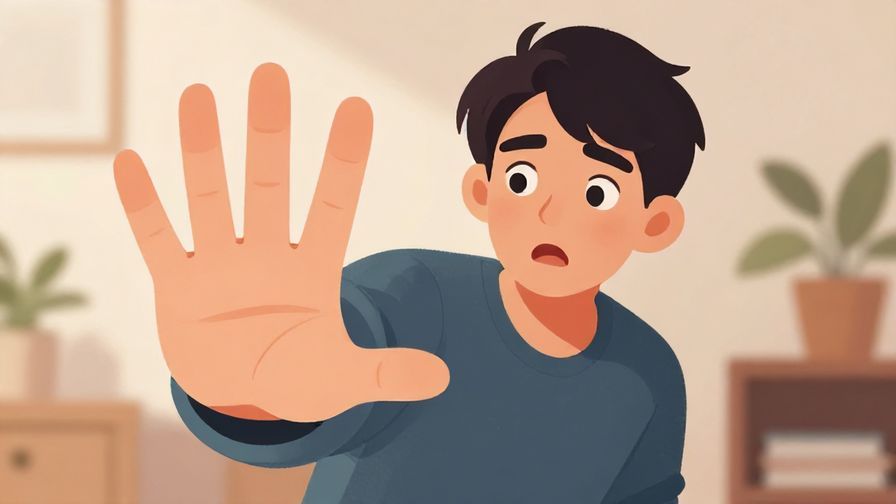
This is a very natural and short way to say you’re scared and want the surprise to stop.
怖い (kowai) means “scary,” and やめて (yamete) means “stop.”
It’s casual but expressive, perfect for close friends or siblings.
Use it quickly when you want to react immediately and clearly.
It’s direct, so make sure the mood is playful, not serious.
Great for moments when you’re caught off guard but want to keep it light.
4. びっくりしたじゃん! (Bikkuri shita jan!) – “You scared me!”
This phrase literally means “I was surprised!” but carries the feeling of “You scared me!”
じゃん (jan) adds a casual, conversational emphasis, like “right?” or “you know.”
It’s often used among friends to express playful annoyance.
Because it’s casual, avoid using this with strangers or in formal situations.
It’s a great phrase to show you’re surprised but not upset.
Try it out when someone sneaks up on you unexpectedly!
5. そんなに驚かさないで! (Sonnani odorokasanaide!) – “Don’t surprise me that much!”
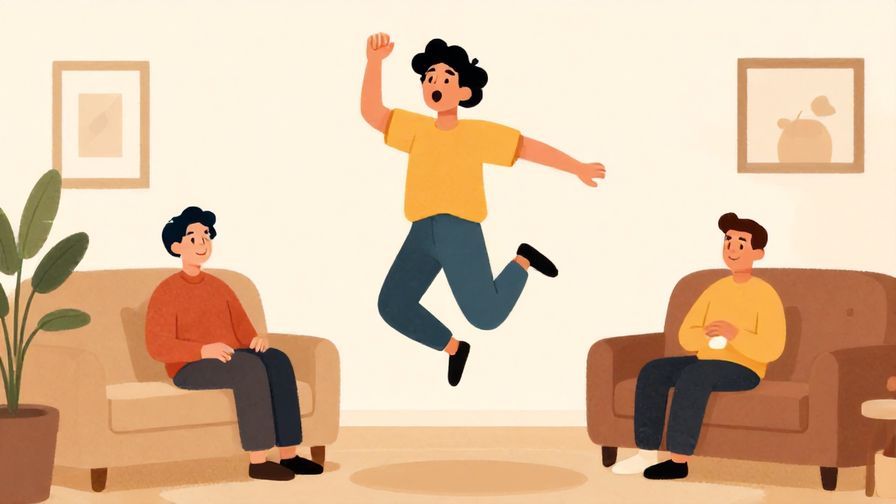
Similar to #2 but using 驚かす (odorokasu), which means “to surprise” or “to startle.”
そんなに (sonnani) again means “that much,” and しないで (shinaide) is “don’t do.”
This phrase is casual but slightly softer than 怖がらせないで.
It’s useful when you want to sound a bit gentler but still clear.
Try this when a friend surprises you, but you want to keep the mood light.
It’s also a good phrase to practice pronunciation with, as it combines useful verbs.
6. びっくりしたよ! (Bikkuri shita yo!) – “I got surprised!”
A simple and friendly way to say you were surprised.
Adding よ (yo) makes it sound like you’re sharing your feeling openly.
It’s great for casual chats and helps you sound natural.
You can use it right after someone surprises you.
It’s the perfect phrase to keep conversations lively and warm.
Use it often to get comfortable with natural Japanese reactions.
7. やめてよ、びっくりした! (Yamete yo, bikkuri shita!) – “Stop it, you scared me!”

This phrase combines “stop it” and “I got surprised” for a stronger reaction.
やめてよ (yamete yo) is a friendly way to say “stop it,” and びっくりした (bikkuri shita) means “I was surprised.”
Use it when you want to express a bit more frustration—but still in a fun way.
This phrase works well among close friends or family.
It’s a natural reaction and easy to remember.
Next time you want to tell someone to quit the surprise game, this is your go-to.
8. ほんとにびっくりした! (Honto ni bikkuri shita!) – “I really got surprised!”
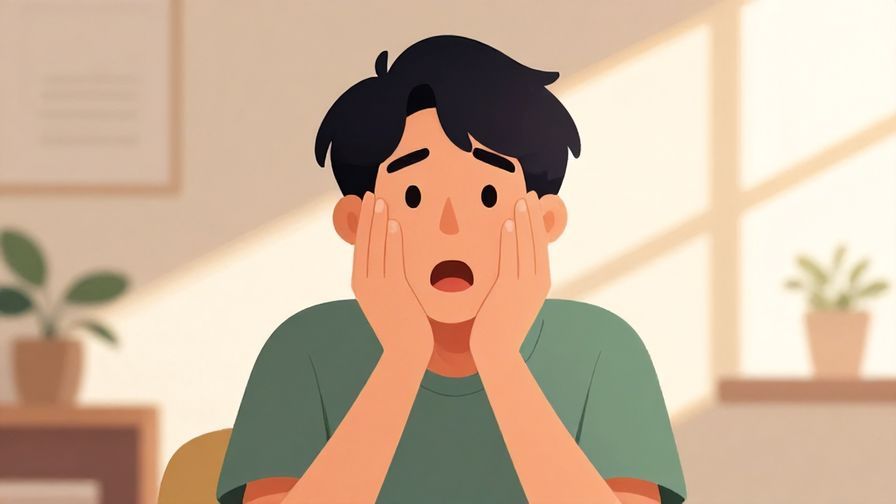
This phrase adds emphasis with ほんとに (honto ni), meaning “really” or “truly.”
It’s a casual and expressive way to say “don’t scare me like that” indirectly by showing how surprised you were.
Great for casual conversations when you want to sound a bit more dramatic but friendly.
Perfect for storytelling or recounting a funny surprise.
It helps you sound natural and enthusiastic in Japanese.
Try it out when you want to exaggerate your reaction just a little!
Part 2: Polite & Formal Suggestions
9. そんなに驚かさないでください。 (Sonnani odorokasanaide kudasai.) – “Please don’t surprise me that much.”

This is a polite request using ください (kudasai) to say “please.”
It’s perfect for coworkers, acquaintances, or anyone you want to show respect to.
Using polite forms is essential in formal or semi-formal situations.
It’s a gentle way to express discomfort without sounding too direct.
Try this phrase if you want to keep things professional but still clear.
Politeness is key in Japanese culture, and this phrase reflects that well.
10. 怖がらせないでください。 (Kowagarasenaide kudasai.) – “Please don’t scare me.”
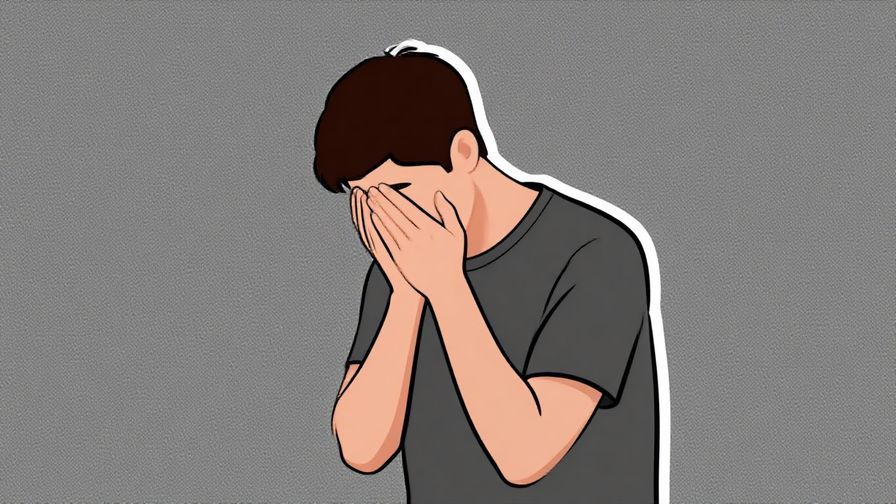
Another polite and formal way to ask someone not to scare you.
This phrase uses the respectful ください (kudasai) and the verb 怖がらせる (kowagaraseru) meaning “to scare.”
It’s appropriate in formal settings or with people you don’t know well.
Using the negative causative form させないで (sasenai de) plus ください sounds very polite.
Perfect for expressing your feelings while maintaining respect.
Keep this in your polite conversation toolbox for tricky social situations.
11. びっくりしないでください。 (Bikkuri shinaide kudasai.) – “Please don’t startle me.”

This phrase is simple and polite, using しないでください (shinaide kudasai) to mean “please don’t do.”
It’s useful for politely asking someone to avoid sudden surprises.
Formal enough for workplace or respectful social contexts.
It’s always good to have these polite phrases for different situations.
When in doubt, adding ください softens your requests nicely.
Practice this to sound respectful yet clear.
12. そんなに怖がらないでくださいね。 (Sonnani kowagaranaide kudasai ne.) – “Please don’t be so scared.”
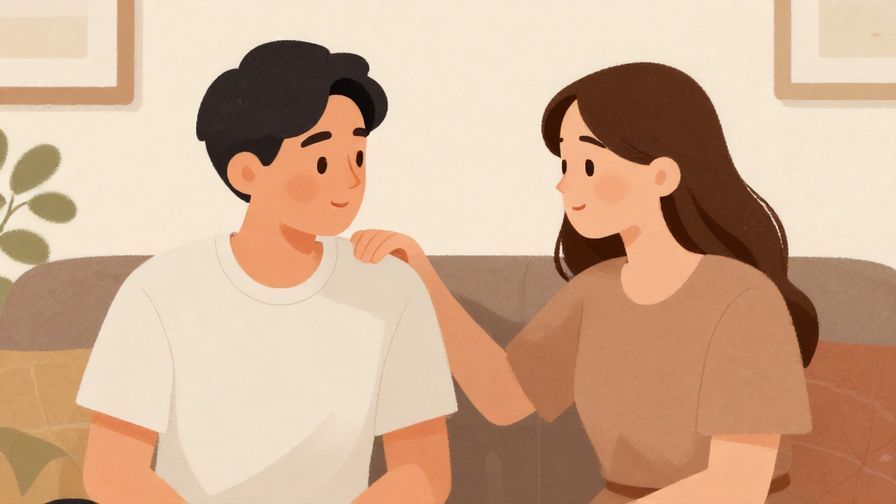
This phrase is a polite way to tell someone not to be overly scared.
Adding ね (ne) at the end softens the tone and seeks agreement.
It’s gentle and often used when comforting someone.
Useful in both formal and semi-formal situations.
It shows empathy while keeping respect.
Great for calming a friend or colleague nicely.
13. びっくりさせないでくださいね。 (Bikkuri sasenai de kudasai ne.) – “Please don’t surprise me, okay?”

Polite and warm, this phrase asks gently not to be surprised.
Adding ね invites a friendly tone even in a polite request.
It’s perfect for acquaintances or friends when you want to keep it light but respectful.
Use it to maintain politeness without sounding cold.
It’s a great balance of formality and friendliness.
Try it when you want to politely set boundaries.
14. 怖がらせないでいただけますか? (Kowagarasenaide itadakemasu ka?) – “Could you please not scare me?”
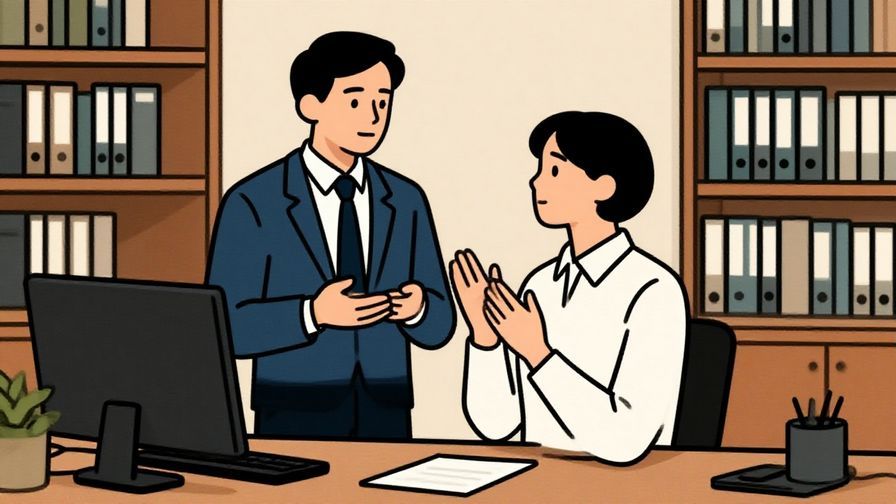
This is a very formal and respectful way to ask someone not to scare you.
Using いただけますか? makes it a question and adds extra politeness.
Perfect for situations where utmost respect is necessary.
It may sound a bit stiff in casual conversations, but it’s perfect for professional settings.
Great phrase to learn for business or formal social interactions.
Mastering this will impress native speakers with your politeness.
15. そんなに驚かさないでいただけますか? (Sonnani odorokasanaide itadakemasu ka?) – “Could you please not surprise me that much?”

Similar to #14, but emphasizes “that much” with そんなに.
It’s a very polite and formal phrase to keep things respectful.
Use it when you want to be clear but courteous.
It fits well in professional or more traditional social settings.
Useful for Japanese work culture or formal family occasions.
Practicing such formal phrases can boost your cultural understanding deeply.
16. びっくりしないでいただけますか? (Bikkuri shinaide itadakemasu ka?) – “Could you please not startle me?”
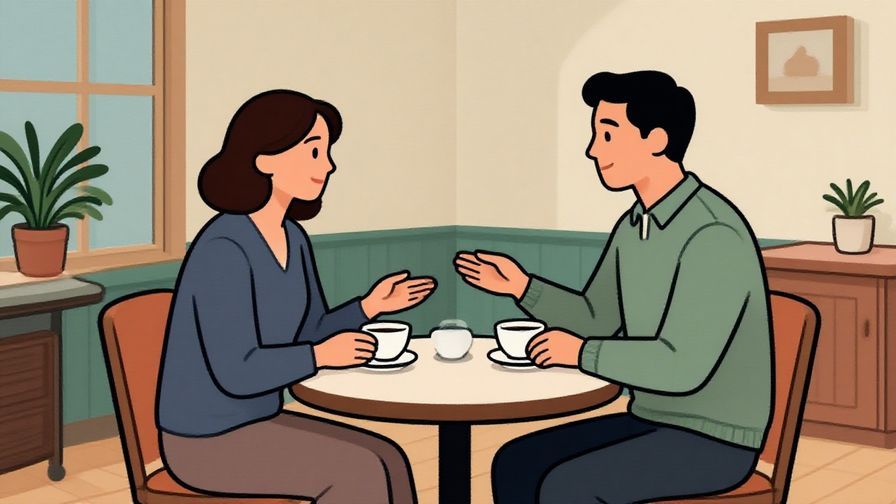
This phrase politely requests someone not to startle you.
Perfect for formal or semi-formal situations where respect is key.
It’s more nuanced and shows your good manners.
Use this if you want to maintain harmony in delicate situations.
It’s a great phrase to add to your polite Japanese repertoire.
Keep practicing to improve your formal conversational skills.
Part 3: Very Casual / Native-like Expressions
17. びっくりすんなよ! (Bikkuri sunna yo!) – “Don’t scare me!” (very casual)

This is a very casual, almost slangy way to say “Don’t scare me.”
すんな is a contracted form of するな, which is a rough “don’t do.”
Use it only with close friends or peers, never in formal situations.
It’s playful and shows a strong, confident reaction.
Great for sounding like a native teenager or young adult.
Try it only if you’re comfortable with informal Japanese culture.
18. うわっ、びっくりした! (Uwa, bikkuri shita!) – “Whoa, you scared me!”
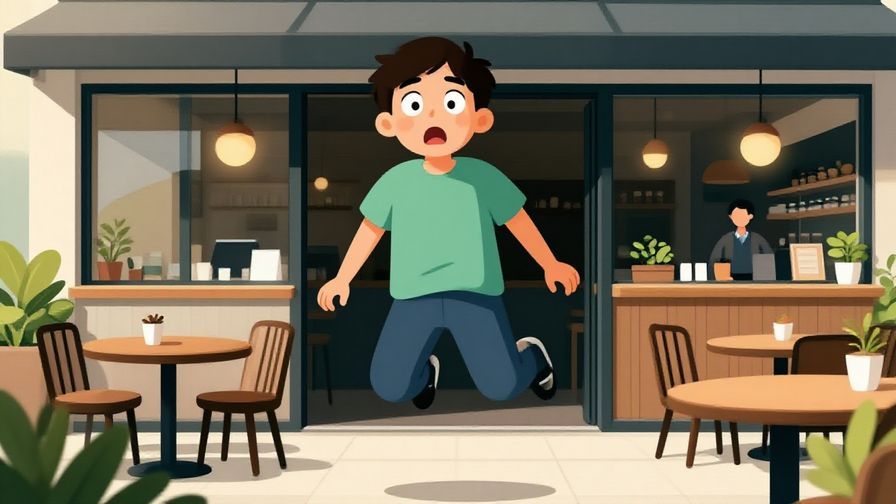
“Uwa” is an exclamation like “whoa” or “wow,” often used when startled.
Followed by びっくりした, it’s a natural reaction phrase.
It’s casual, friendly, and perfect for everyday use.
Use it to express surprise right after being scared.
It adds emotion and makes your Japanese sound lively.
Try it in informal conversations or storytelling.
19. やめろよ、びっくりすんな! (Yamero yo, bikkuri sunna!) – “Cut it out, don’t scare me!”
A very casual and somewhat rough phrase.
“やめろ” is a blunt “stop it,” and びっくりすんな is the casual “don’t scare me.”
Only use with very close friends who understand your tone.
It shows strong feelings but can come off as rude otherwise.
Use carefully to avoid misunderstandings.
This phrase is great for mimicking native casual talk among young people.
20. びっくりさせんなよ! (Bikkuri sasenna yo!) – “Don’t scare me!” (casual)
This is a shortened, very casual form of びっくりさせないで.
It’s fun, quick, and shows a native casual style.
Use it in friendly situations, never formal ones.
Great for texting or chatting with peers.
It helps you sound more relaxed and natural.
Try it for a quick, playful reaction to a surprise.
21. もう、びっくりしたってば! (Mou, bikkuri shita tte ba!) – “Geez, you scared me already!”
“もう” means “already,” and ってば adds emphasis, like “I’m telling you!”
It’s casual, slightly playful, and a bit teasing.
Perfect for teasing friends or siblings after a surprise.
It shows frustration but in a lighthearted way.
Try this one when you want to sound like a native teasing buddy.
It adds flavor to your casual Japanese.
22. びっくりしたわ! (Bikkuri shita wa!) – “I got scared!” (female casual)
The sentence-ending particle わ (wa) is often used by women to soften statements.
This phrase is casual, feminine, and expresses surprise gently.
Use it among friends or informal settings.
It makes your Japanese sound natural and gender-appropriate.
Practice this to add variety to your expressions.
It’s a sweet way to react when startled.
Concluding Thought
Mastering these 22 ways to say “Don’t scare me like that” helps you communicate naturally in Japanese, whether you want to be casual, polite, or playful.
Each phrase fits different moods and settings, so you can pick exactly the right one when surprise strikes.
Keep practicing, and soon you’ll be responding like a native—cool, fun, and perfectly natural!