22 Japanese ways to say “Don’t rock the boat”
Sometimes in life, it’s best to keep things calm and steady. Nobody likes sudden waves that upset the balance.
In Japanese, there are many gentle, clever ways to say “Don’t rock the boat.” Whether you want to keep peace or avoid unnecessary drama, these phrases can help.
Learning these expressions can be a fun way to understand how the Japanese culture values harmony and subtlety.
From casual to polite and even native-like sayings, this list has you covered with 22 different ways to express this idea smoothly.
We’ll include pronunciation guides and practical notes, so you’ll feel confident using them in real life.
Ready to sail smoothly? Let’s dive into these Japanese phrases that help keep the boat steady.
Understanding the Nuance of “Don’t Rock the Boat” in Japanese
In Japanese culture, harmony (和, wa) is highly valued, so many expressions emphasize maintaining peace and avoiding conflict.
Because of this, there isn’t always a direct translation for “Don’t rock the boat,” but there are many phrases that convey similar meanings like “don’t make trouble” or “let’s keep things as they are.”
These expressions range from casual to formal, letting you choose the right tone for the situation.

Sometimes, using a great beginner phrasebook can give you a perfect starting point for a cohesive understanding.
Remember, the key is subtlety and context—Japanese is all about reading between the lines.
Let’s start with some casual, easy-going phrases that you can use with friends or colleagues.
Part 1: Casual Suggestions
1. 波風を立てるな (Namikaze o tateru na) – “Don’t make waves.”

This is a pretty direct phrase meaning “Don’t make waves” (波風, namikaze = waves and wind; 立てる, tateru = to raise; な, na = negative command).
It’s a great phrase to use when asking someone not to cause trouble or stir up conflict in a casual way.
It’s easy to remember because it literally talks about waves, just like the English expression.
Use it when you want to remind friends or coworkers to keep things calm.
A related phrase is 波風を立てずに (namikaze o tatezu ni), meaning “without making waves.”
Try to keep your tone friendly to avoid sounding too stern!
2. もめるな (Momeru na) – “Don’t argue/fight.”
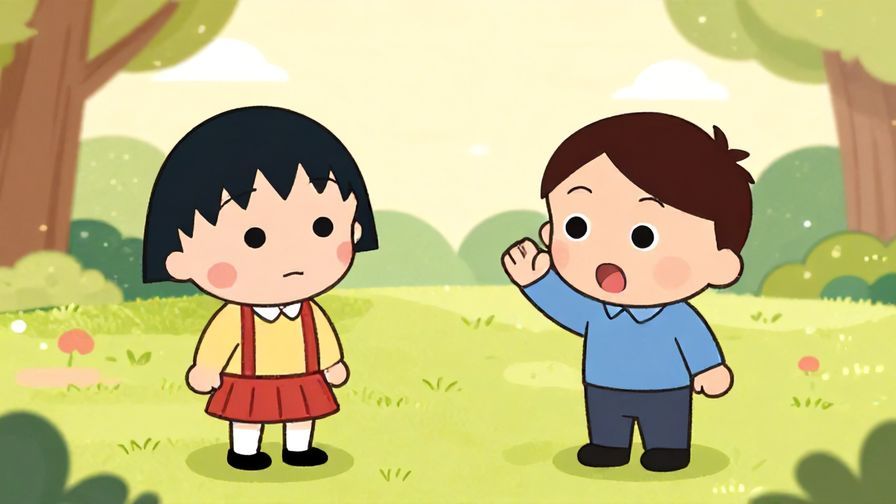
This short phrase means “Don’t fight” or “Don’t quarrel” (もめる, momeru = to quarrel; な, na = negative command).
It’s casual and common, perfect for telling friends or siblings to avoid unnecessary disputes.
Simple and effective, just remember it’s quite direct.
Be careful not to use it in very formal settings, as it might sound blunt.
In conversation, you might hear: そんなに もめるなよ!(Sonnani momeru na yo!) meaning “Don’t argue so much!”
Perfect for keeping peace in relaxed settings.
3. 静かにして (Shizuka ni shite) – “Keep it quiet/calm.”

This phrase means “Be quiet” or “Keep calm” (静か, shizuka = quiet/calm; にして, ni shite = make/do).
It’s a polite yet casual way to ask someone to calm down or avoid making a fuss.
It can be used when someone is about to rock the boat by making noise or causing a scene.
Easy to remember because “shizuka” is a common word for quiet.
You might hear it in settings like classrooms or homes: 静かにしてね (Shizuka ni shite ne) for a softer tone.
A handy phrase for maintaining peace without sounding harsh.
4. 余計なことを言うな (Yokei na koto o iu na) – “Don’t say unnecessary things.”

This phrase warns someone not to stir up trouble by saying things that might cause conflict.
余計な (yokei na) means “extra” or “unnecessary,” こと (koto) means “thing,” 言う (iu) means “to say,” and な (na) is the negative command.
It’s a bit stronger but still casual, useful when someone might be rocking the boat with careless words.
Great for conversations where you want to remind someone to think before speaking.
Be mindful: it can sound a bit sharp, so use it carefully.
In daily talk: 「そんなこと言うなよ!」(Sonna koto iu na yo!) means “Don’t say stuff like that!”
5. 変なことをしないで (Hen na koto o shinaide) – “Don’t do weird things.”
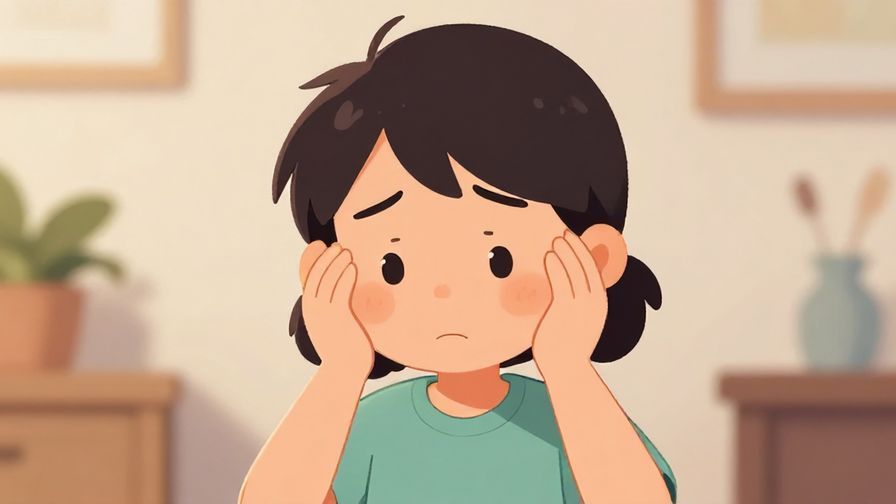
This phrase means “Don’t do strange or troublesome things” (変な, hen na = strange; こと, koto = thing; しないで, shinaide = don’t do).
It’s perfect for gently telling someone not to cause unnecessary trouble or disrupt the flow.
Easy to remember because “hen” is commonly used for “weird” or “strange.”
Useful in casual conversations with friends or family.
You might hear: 変なことしないでね (Hen na koto shinaide ne), a softer way to say it.
It’s a friendly reminder to keep things steady and smooth.
6. 大人しくして (Otonashiku shite) – “Behave yourself / Stay calm.”

大人しい (otonashii) means “quiet” or “well-behaved,” and して (shite) means “do.” Together, it means “Behave yourself” or “Stay calm.”
This phrase is often used in casual settings to ask someone to keep their behavior in check.
It’s a gentle way to say “don’t cause trouble” without being harsh.
Easy to remember because “otona” means adult, so think “act like a mature adult.”
In conversation, you might say: 大人しくしててね (Otonashiku shitete ne) for a softer touch.
Great for calming down a situation or person.
7. 難しいことを言わないで (Muzukashii koto o iwanaide) – “Don’t say difficult things.”

This phrase literally means “Don’t say complicated or difficult things.”
It’s a polite, indirect way of asking someone not to cause trouble by overcomplicating things.
It helps keep conversations smooth and easy.
Easy to remember because “muzukashii” is a common word meaning “difficult.”
It’s a useful phrase when you want simplicity and peace, like avoiding rocking the boat.
Try it when discussions get too tense or confusing.
8. 触らぬ神に祟りなし (Sawara nu kami ni tatari nashi) – “Let sleeping dogs lie.”

This famous Japanese proverb literally means “No curse from a god you don’t touch.”
It’s similar to “Let sleeping dogs lie,” advising to avoid stirring trouble.
It’s a beautiful way to say “don’t rock the boat” using cultural wisdom.
Easy to remember once you know the proverb’s meaning.
Great for formal or informal contexts when advising caution.
Use it to remind someone that some things are better left alone.
Part 2: Polite & Formal Suggestions
9. 波風を立てないようにしましょう (Namikaze o tatenai you ni shimashou) – “Let’s avoid making waves.”

This phrase is a polite invitation to avoid causing conflict or trouble.
波風 (namikaze) means “waves and wind,” 立てない (tatenai) is the negative form of “to raise,” ようにしましょう (you ni shimashou) means “let’s try to.”
It’s great for work or formal situations to encourage harmony.
Easy to remember because it’s a more complete and softer version of “don’t make waves.”
You might hear it in meetings or emails to keep things professional.
Try saying it when you want to promote teamwork and peace.
10. ご迷惑をおかけしないように (Gomeiwaku o okake shinai you ni) – “So as not to cause trouble.”

This phrase is a very polite way to say “so as not to cause trouble or inconvenience.”
ご迷惑 (gomeiwaku) means “trouble/inconvenience,” おかけしない (okake shinai) means “not cause,” ように (you ni) means “so that.”
It’s perfect for formal apologies or requests to avoid causing issues.
Use it to keep harmony in business or social situations.
It’s easy to remember once you know “meiwaku” means trouble.
Try it to sound respectful and careful in your speech.
11. ご協力をお願いいたします (Gokyouryoku o onegai itashimasu) – “Please cooperate.”

This polite phrase means “Please cooperate” and is commonly used to encourage smooth collaboration without conflict.
ご協力 (gokyouryoku) means “cooperation,” お願いいたします (onegai itashimasu) is a humble “please.”
Though not literally “don’t rock the boat,” it implies keeping peace by working together.
Easy to remember because it’s a staple phrase in polite Japanese.
Great for formal settings like meetings or projects.
Use it to invite harmony and shared effort.
12. 事を荒立てないようにしましょう (Koto o aratatenai you ni shimashou) – “Let’s not make a fuss.”

This phrase means “Let’s not stir up trouble” or “make a fuss.”
事 (koto) means “matter,” 荒立てない (aratatenai) is “not to upset/ruffle,” and ようにしましょう (you ni shimashou) means “let’s try to.”
It’s polite and perfect for encouraging calm and order.
Easy to remember because it focuses on not “荒立てる” (to disturb/upset).
Use it in formal talks to remind people to keep peace.
It’s a gentle, inclusive way to avoid rocking the boat.
13. 皆で和を保ちましょう (Minna de wa o tamochimashou) – “Let’s all keep harmony.”

This phrase literally means “Let’s all keep harmony” (和, wa = harmony; 保つ, tamotsu = keep; ましょう, mashou = let’s).
It’s a positive, polite way to encourage everyone to avoid conflict.
Easy to remember by associating “wa” with peace and harmony.
Perfect in group settings, meetings, or events.
It’s a hopeful phrase that invites cooperation and calm.
Use it when you want to foster a peaceful atmosphere.
14. お互いに気をつけましょう (Otagai ni ki o tsukemashou) – “Let’s be careful with each other.”

This phrase means “Let’s be considerate and careful with each other.”
お互い (otagai) means “each other,” 気をつける (ki o tsukeru) means “to be careful,” ましょう (mashou) is “let’s.”
It encourages avoiding behaviors that might upset others, indirectly saying “don’t rock the boat.”
Easy to remember by focusing on mutual care.
Good for polite conversations and group harmony.
Use it to remind everyone to act thoughtfully.
15. 余計な波風は立てないでください (Yokei na namikaze wa tatenai de kudasai) – “Please don’t make unnecessary waves.”

This is a polite request version of “Don’t make unnecessary waves.”
余計な (yokei na) means “unnecessary,” 波風 (namikaze) is “waves and wind,” 立てないでください (tatenai de kudasai) means “please do not make.”
It’s formal and useful when requesting calm and order.
Easy to remember as it combines familiar words with polite endings.
Perfect for formal emails, meetings, or public announcements.
Use it to keep things peaceful and respectful.
16. どうか穏便にお願いします (Douka onbin ni onegai shimasu) – “Please handle this gently.”

This polite phrase means “Please handle this gently” or “Please don’t make trouble.”
穏便 (onbin) means “gentle” or “peaceful,” どうか (douka) means “please,” and お願いします (onegai shimasu) is “I request.”
It’s a respectful way to ask for calm and smooth handling.
Easy to remember by associating “onbin” with peace.
Great for formal requests or delicate situations.
Use it when you want to avoid conflict tactfully.
Part 3: Very Casual / Native-like Expressions
17. 船を揺らすなよ (Fune o yurasu na yo) – “Don’t rock the boat.”

This is a very direct, casual, and native-like way to say “Don’t rock the boat.”
船 (fune) means “boat,” 揺らす (yurasu) means “to rock,” なよ (na yo) is a casual negative command with emphasis.
It’s perfect for close friends or informal situations where you want to be playful but clear.
Easy to remember because it literally uses the boat rocking image.
Use it when you want to keep things light but warn against causing trouble.
Great for casual chats or joking around.
18. 余計なことはするなって (Yokei na koto wa suru na tte) – “Don’t do unnecessary things.”

This phrase is casual and native-like, telling someone not to mess around or cause trouble.
余計なこと (yokei na koto) means “unnecessary things,” するな (suru na) means “don’t do,” and って (tte) adds casual emphasis.
It’s a natural way to say “don’t rock the boat” among friends.
Easy to remember by focusing on “yokei na koto.”
Use it to warn gently but clearly.
Perfect for informal, everyday conversations.
19. 大人しくしとけよ (Otonashiku shitoke yo) – “Behave yourself.”

This is a very casual, masculine-sounding phrase meaning “Behave yourself” or “Stay calm.”
大人しく (otonashiku) means “quietly” or “obediently,” しとけ (shitoke) is a casual imperative form of “do,” and よ (yo) adds emphasis.
It’s used among close friends or younger people to keep things peaceful.
Easy to remember because it’s simple and direct.
Use it to remind someone to chill out without sounding harsh.
Great for native-like everyday talk.
20. 余計な波は立てんなよ (Yokei na nami wa tatenna yo) – “Don’t make unnecessary waves.”

This is a slangy and casual way to say “Don’t make unnecessary waves.”
余計な (yokei na) means “unnecessary,” 波 (nami) means “waves,” 立てんな (tatenna) is a slang contraction of “don’t raise,” and よ (yo) adds emphasis.
It’s perfect for strong, native-like warnings among friends.
Easy to remember due to its vivid imagery.
Use it when you want to be clear but casual.
Great for informal chats or storytelling.
21. 変なことするなよ (Hen na koto suru na yo) – “Don’t do weird things.”

This phrase means “Don’t do weird or troublesome things” in a casual tone.
変なこと (hen na koto) means “strange things,” するな (suru na) is “don’t do,” and よ (yo) adds emphasis.
It’s a common phrase among friends to keep things smooth.
Easy to remember with the familiar “hen na koto.”
Use it to playfully warn someone not to upset the balance.
Perfect for everyday friendly interactions.
22. そんなに騒ぐなよ (Sonnani sawagu na yo) – “Don’t make such a fuss.”

This phrase means “Don’t make such a fuss” or “Don’t be so noisy.”
そんなに (sonnani) means “that much,” 騒ぐ (sawagu) means “to make noise/fuss,” なよ (na yo) is a casual negative command with emphasis.
It’s a casual way to tell someone to calm down and keep things peaceful.
Easy to remember because it captures the fuss-making idea simply.
Use it to gently tell someone to chill out.
Great for native-like everyday use.
Concluding Thought
Exploring these 22 Japanese ways to say “Don’t rock the boat” shows how much the culture treasures harmony and subtlety.
From casual phrases to polite expressions and native-like slang, there’s a perfect way to keep peace in any situation.
Next time you want to keep things calm, try one of these phrases and sail smoothly through your conversations!