22 Japanese ways to say “Don’t let me down
Sometimes, we all need a little reassurance from the people we care about. Saying “Don’t let me down” is one of those moments when you want to express trust and hope in a warm, informal way.
In Japanese, there are many ways to say this phrase, ranging from casual to more polite expressions. Each carries a slightly different vibe, so you can pick what fits your mood and relationship.
Whether you’re chatting with friends, coworkers, or loved ones, these 22 expressions will help you sound natural and heartfelt.
We’ll explore common phrases, polite versions, and some very casual, native-like ways to keep your conversations authentic and meaningful.
Learning these phrases will not only boost your language skills but also deepen your connections with Japanese speakers.
Ready to feel more confident saying “Don’t let me down”? Let’s dive into these warm and relatable expressions!
Warm-Up: Why Different Ways Matter
Japanese is rich with nuance, especially when it comes to expressing feelings like trust and expectation.
Each phrase on this list has its own flavor, from gentle encouragements to straightforward requests.
Choosing the right one depends on your relationship and the context, making your message both clear and kind.

If you want to start strong with your Japanese, grabbing a beginner phrasebook can help you get the basics down smoothly.
Once you understand the tone and meaning of each phrase, it’s easier to use them naturally.
It’s like having a warm conversation starter in your pocket.
Part 1: Casual Suggestions
1. 任せたよ! (Makseta yo!) – “I’m leaving it to you!”

This phrase literally means “I entrust it to you,” implying you trust someone to not let you down.
「任せた」(Makseta) means “entrusted,” and 「よ」(yo) adds emphasis, making it casual yet confident.
Use it with close friends or teammates when you want to say, “I’m counting on you!”
It’s a great phrase to show trust without sounding too serious.
A similar phrase is 「頼んだよ」(Tanonda yo), meaning “I asked you” or “I’m relying on you.”
Feel free to say this when you want to warmly ask someone to do their best for you.
2. 裏切らないでね (Uragiranaide ne) – “Please don’t betray me.”

This one is a bit stronger, asking someone not to “betray” or “let down” your trust.
「裏切らないで」(Uragiranaide) is the negative request form of “to betray,” and 「ね」(ne) softens it, making it more gentle.
Use it when you want to emphasize how much you value their promise.
It’s casual but heartfelt, perfect for a close circle.
Be mindful not to use it in very formal settings, as it can feel intense.
Try saying it when you want to show your vulnerability honestly.
3. 頼むよ (Tanomu yo) – “I’m counting on you.”
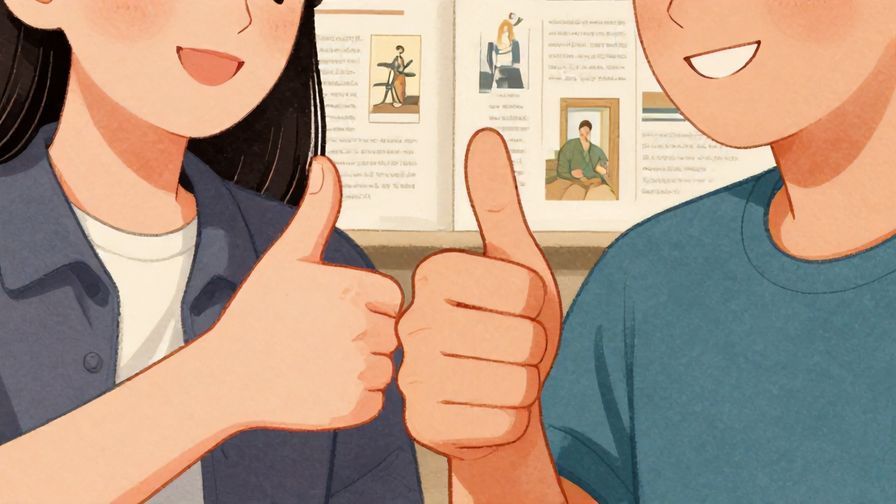
Simple and straightforward, 「頼むよ」(Tanomu yo) means “please do it” or “I’m counting on you.”
「頼む」(Tanomu) means “to request” or “to rely on,” while 「よ」(yo) adds a casual emphasis.
This is perfect for everyday use with friends or coworkers.
It’s one of the most natural ways to say “Don’t let me down” without sounding harsh.
Remember, tone matters—say it warmly to keep it friendly.
It’s a handy phrase to keep in your conversational toolkit.
4. 期待してるよ (Kitai shiteru yo) – “I’m expecting (great things) from you.”

「期待してるよ」(Kitai shiteru yo) means “I’m expecting (good results) from you.”
「期待」(Kitai) means “expectation,” and 「してる」(shiteru) is the casual form of “doing.”
It’s a warm, positive way to express your trust.
Use it to encourage someone without pressure.
It’s softer than demanding, more like hopeful anticipation.
Say this when you want to be supportive and optimistic.
5. 頼りにしてるよ (Tayori ni shiteru yo) – “I’m relying on you.”

This phrase means “I’m depending on you,” showing trust and closeness.
「頼りにしてる」(Tayori ni shiteru) comes from 「頼りにする」(to rely on), and 「よ」(yo) adds warmth.
It’s great to use with friends or teammates to show you believe in them.
This phrase boosts confidence without sounding too demanding.
Be sure to use it sincerely to strengthen bonds.
Try it when you want to gently remind someone of your trust.
6. ガッカリさせないでね (Gakkari sasenai de ne) – “Don’t disappoint me.”

「ガッカリさせないでね」(Gakkari sasenai de ne) means “Please don’t disappoint me.”
「ガッカリ」(Gakkari) means “disappointment,” and 「させないで」(sasenai de) is a request form meaning “don’t cause.”
It’s casual but carries a heartfelt plea.
Use it with people you trust and want to encourage genuinely.
It’s a phrase to use carefully—tone down if needed to avoid sounding too strong.
This expression connects emotionally, showing you care deeply.
7. 頼むね (Tanomu ne) – “I’m counting on you (friendly).”

「頼むね」(Tanomu ne) is a softer, more friendly way to say “I’m counting on you.”
「ね」(ne) softens the request and makes it sound more casual.
It’s perfect for everyday conversations with close friends.
Using 「ね」 adds warmth and builds camaraderie.
Be careful not to overuse with strangers, as it might sound too familiar.
Great for casual chats where you want to sound relaxed yet sincere.
8. 裏切らないでほしい (Uragiranaide hoshii) – “I want you not to let me down.”

This phrase is a bit more direct but still polite in casual settings.
「ほしい」(hoshii) means “I want,” making the request clear.
It’s useful when you want to be honest about your feelings.
Use it carefully, as it can sound serious.
It’s a step up in emotional weight from softer phrases.
Try it when you want to express genuine hope without pressure.
Part 2: Polite & Formal Suggestions
9. 失望させないでください (Shitsubou sasenai de kudasai) – “Please don’t disappoint me.”

This is a polite version used in formal or professional situations.
「失望」(Shitsubou) means “disappointment,” and 「ください」(kudasai) is the polite “please.”
It’s respectful and clear, perfect for business contexts.
Use it when you want to express expectations without being rude.
Remember to maintain a calm tone to keep it professional.
It’s great for emails or meetings where you need to be firm but polite.
10. ご期待に添えるよう頑張ります (Go-kitai ni soeru you ganbarimasu) – “I will do my best to meet your expectations.”

This phrase shifts the focus to yourself, expressing a promise rather than a request.
「ご期待」(Go-kitai) means “your expectations,” and 「頑張ります」(ganbarimasu) means “I will do my best.”
It’s humble and polite, often used in formal replies.
It’s a great phrase to show responsibility and commitment.
Use it in work emails, presentations, or formal conversations.
It helps build trust by showing your dedication.
11. ご迷惑をかけないようにします (Go-meiwaku o kakenai you ni shimasu) – “I will make sure not to cause trouble.”

This phrase politely expresses your intent not to disappoint or inconvenience others.
「ご迷惑」(Go-meiwaku) means “trouble,” and 「かけないようにします」(kakenai you ni shimasu) means “will try not to cause.”
It’s humble and thoughtful, perfect for formal apologies or making promises.
Use it when you want to show awareness of others’ feelings.
It’s often used in workplace environments.
It conveys a sincere commitment to avoid letting people down.
12. お期待に応えられるようにします (O-kitai ni kotaerareru you ni shimasu) – “I will do my best to meet your expectations.”

This is a formal way to express your effort to fulfill someone’s hopes.
「応えられる」(kotaerareru) means “can respond to” or “can meet.”
It’s a positive, respectful phrase often used in business or official contexts.
Use it to reassure clients, bosses, or colleagues.
It shows professionalism and dedication.
Perfect for written communication or speeches.
13. ご信頼に応えたいと思います (Go-shinrai ni kotaetai to omoimasu) – “I want to live up to your trust.”
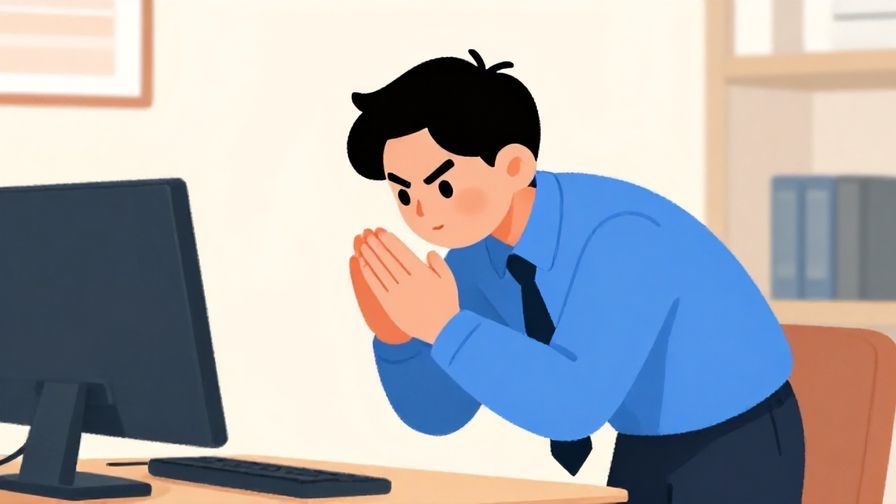
This phrase politely expresses your desire to meet someone’s trust.
「信頼」(Shinrai) means “trust,” and 「応えたい」(kotaetai) means “want to respond to.”
It’s humble and ideal for formal situations.
Use it to show respect and commitment.
It’s especially useful in customer service or leadership roles.
It sends a strong message of responsibility.
14. ご期待を裏切らないよう最善を尽くします (Go-kitai o uragiranai you saizen o tsukushimasu) – “I will do my best not to disappoint your expectations.”

This formal phrase combines “not to disappoint” and “to do one’s best.”
It’s a comprehensive way to express dedication in professional settings.
Use it when you want to convey utmost effort and respect.
It can be a powerful statement in presentations or reports.
Try practicing it to impress in formal conversations.
This phrase highlights your commitment to excellence.
15. 期待を裏切らないでください (Kitai o uragiranaide kudasai) – “Please don’t let me down.”

This is a polite but straightforward request not to disappoint.
It’s useful in formal conversations and written requests.
Use the polite 「ください」(kudasai) to soften the demand.
It strikes a balance between seriousness and respect.
Avoid sounding too harsh by keeping your tone gentle.
This phrase works well when you want clarity without strain.
16. お約束を守ってください (Oyaku soku o mamotte kudasai) – “Please keep your promise.”

This phrase politely asks someone to keep their commitment.
「お約束」(Oyaku soku) means “promise,” and 「守ってください」(mamotte kudasai) means “please protect/keep.”
It’s ideal for formal and semi-formal contexts.
Using 「お」(o) adds politeness to “promise.”
It’s a respectful way to remind someone gently.
Use it when trust depends on a clear agreement.
Part 3: Very Casual / Native-like Expressions
17. 期待すんなよ (Kitai sunna yo) – “Don’t expect anything.”

This is a very casual, slangy way to say “Don’t expect much,” often used jokingly.
「すんな」(sunna) is a contraction of 「するな」(do not do), making it informal and rough.
Use only with close friends who understand your humor.
It can soften tension when you want to keep things light.
Avoid in serious or formal situations.
This phrase shows native-like casual speech with attitude.
18. 裏切んなよ (Uraginnayo) – “Don’t betray me.”

This is a slangy contraction of 「裏切るなよ」(don’t betray me).
It sounds rough but can be playful among close friends.
Use with care—tone and relationship matter a lot.
It’s a quick, punchy way to say “Don’t let me down.”
Perfect for casual texting or banter.
Good for sounding natural when joking or teasing.
19. マジで頼むわ (Maji de tanomu wa) – “Seriously, I’m counting on you.”

「マジで」(Maji de) means “seriously,” adding emphasis.
「頼むわ」(Tanomu wa) is a casual but emphatic “I’m counting on you.”
It’s used mostly by young people in informal settings.
It adds urgency but keeps a friendly tone.
Great for encouraging friends to follow through.
It’s a lively phrase to sound more native and relaxed.
20. 裏切んなよ、マジで (Uraginnayo, maji de) – “Don’t let me down, seriously.”

This combines casual slang with a serious tone for emphasis.
It’s a strong, heartfelt plea in a very casual style.
Use it only with close friends who understand the tone.
It’s a phrase that balances roughness with sincerity.
Perfect when you want to add weight without formality.
Try it to add expressive power in casual conversations.
21. 頼むぜ (Tanomu ze) – “I’m counting on you (manly).”

「ぜ」(ze) gives a masculine, casual tone.
It’s a strong way to say “I’m counting on you” among male friends.
Use it to sound confident and direct.
Not suitable for formal or mixed-gender settings.
Perfect for sports teams or close buddy talk.
It adds a punchy, native-like vibe to your speech.
22. 期待してるからな (Kitai shiteru kara na) – “I’m expecting (it), you know.”

Adding 「からな」(kara na) makes this phrase casual with a hint of friendly warning.
It’s like saying “I’m counting on you, so don’t mess up.”
Use it with close friends or siblings in a lighthearted way.
It sounds natural and relatable, just like native speakers use.
It balances expectation and warmth in a casual tone.
Perfect to wrap up your casual expressions list.
Concluding Thought
Exploring these 22 ways to say “Don’t let me down” in Japanese shows how rich and expressive the language is.
From casual chats to formal business talks, there’s a phrase perfectly suited for every moment.
With these expressions in your toolkit, you’ll connect better, express trust warmly, and sound more like a native speaker every day.