22 Japanese ways to say “Don’t laugh
We all know that feeling when something’s just too funny, but you need to keep a straight face. Whether you’re in a serious moment or just want to tease a friend, knowing how to say “Don’t laugh” in Japanese is a handy skill.
Japanese offers a variety of ways to express this, from casual to polite, and even playful phrases that fit different situations. Let’s dive into 22 warm and relatable ways to say “Don’t laugh” that you can use naturally.
Each phrase comes with pronunciation guides and simple explanations, so you can feel confident saying them out loud. Plus, there’s a little tip or context to help you remember when and how to use them.
Whether you’re learning Japanese for fun, travel, or just to impress your friends, these phrases will add some fun and authenticity to your conversations.
Ready to keep a straight face and master these expressions? Let’s get started!
Here’s your go-to list for every “Don’t laugh” moment in Japanese, from polite reminders to playful warnings.
Understanding the Basics Before We Start
Japanese often uses the verb 笑う (わらう, warau) which means “to laugh.” Most phrases revolve around this word or its negative forms.
Adding ない (nai) makes it negative, so 笑わない (わらわない, warawanai) means “don’t laugh.” But there are many casual and nuanced ways to say the same thing.
Keep these basics in mind as we explore different expressions.
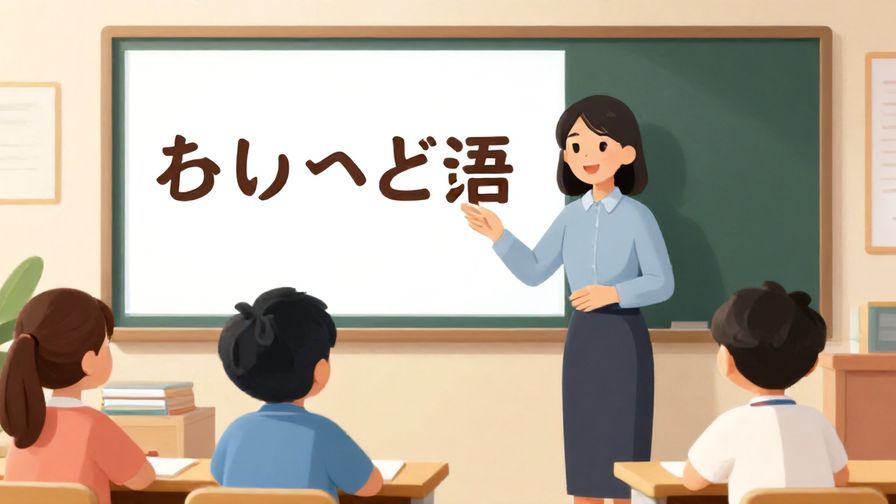
Sometimes a good grammar book can help you see how these phrases fit together more clearly.
Ready to see how these expressions come to life? Let’s jump into the list!
Part 1: Casual Suggestions
1. 笑わないで (Warawanaide) – “Don’t laugh.”
This is the most straightforward and common casual way to say “Don’t laugh.”
It uses 笑う (warau, to laugh) plus ないで (naide), which is the negative request form, meaning “please don’t.” It’s simple and clear.
Use it with friends or people you’re comfortable with when you want them to hold back laughter.
It’s polite enough for casual use but not too formal.
Related phrase: 笑わないでね (Warawanaide ne) adds a friendly “please.”
Perfect for when you’ve just told an embarrassing story and want people to keep it serious!
2. 笑わないでよ!(Warawanaide yo!) – “Hey, don’t laugh!”
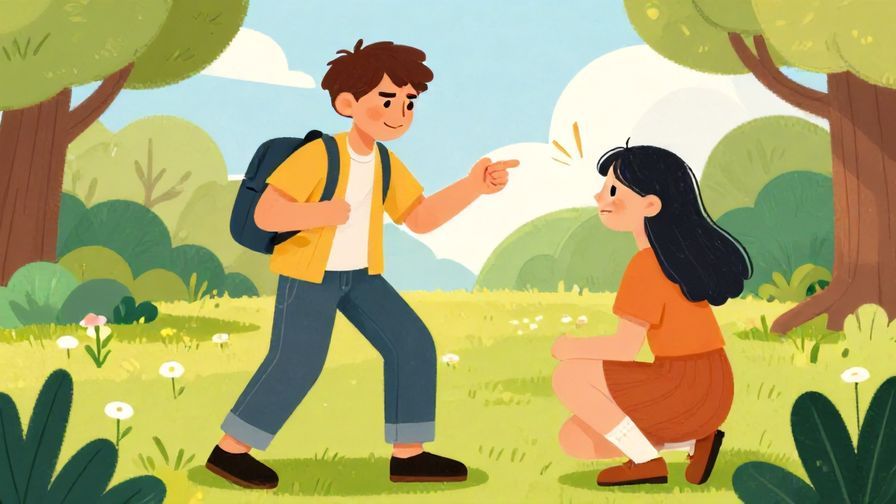
This adds the particle よ (yo) for emphasis, making it more expressive and a bit playful.
It’s like saying “Hey, seriously, don’t laugh!” and is great for teasing friends while still asking them seriously not to laugh.
Practice by imagining a funny but sensitive moment with friends.
Be careful: using it with strangers could sound too casual or rude.
Example: When you mess up a game but don’t want your friends to laugh at you.
Adding よ makes your tone warm but firm—perfect for lighthearted warnings.
3. 笑わないでくれ (Warawanaide kure) – “Don’t laugh, please.”
This phrase uses くれ (kure), a casual but earnest way to say “please.”
It’s less formal than ください (kudasai) but still polite among friends or close people.
Good for moments when you want to sound a little more serious.
Try it when telling a joke that might be embarrassing if laughed at.
Remember: It feels a bit more direct than ないで.
Helps express that you really don’t want laughter here—strong but friendly.
4. 笑うなよ (Warau na yo) – “Don’t laugh, okay?”
This is a very casual and strong form: 笑う (warau, laugh) + な (na), a prohibition marker.
It means “Don’t laugh!” with a bit of a tough or playful warning tone.
Great among close friends or siblings when joking around.
Use carefully—it can sound rough if used incorrectly.
Adding よ (yo) makes it a little softer and more friendly.
It’s very natural for native speakers in informal settings.
5. 笑うんじゃない (Warau n ja nai) – “Don’t you dare laugh.”

This phrase is a bit more forceful and dramatic.
“んじゃない” (n ja nai) adds a strong negative command.
It’s like saying “Don’t you even think about laughing.”
Fun to use in playful but serious moments with close friends.
Not recommended in polite or formal situations.
Helps express a mock-serious tone to keep things light.
6. 笑うもんか (Warau mon ka) – “No way I’m laughing.”
This phrase actually means the opposite—used to say you won’t laugh, often in a joking way.
“もんか” (mon ka) is a strong denial.
It’s good to know these so you can understand when someone is joking about not laughing.
Use with close friends to add humor.
It’s a fun phrase to show you’re trying to keep a straight face.
Great for playful banter and teasing.
7. 笑うのを我慢して (Warau no o gaman shite) – “Hold back your laughter.”
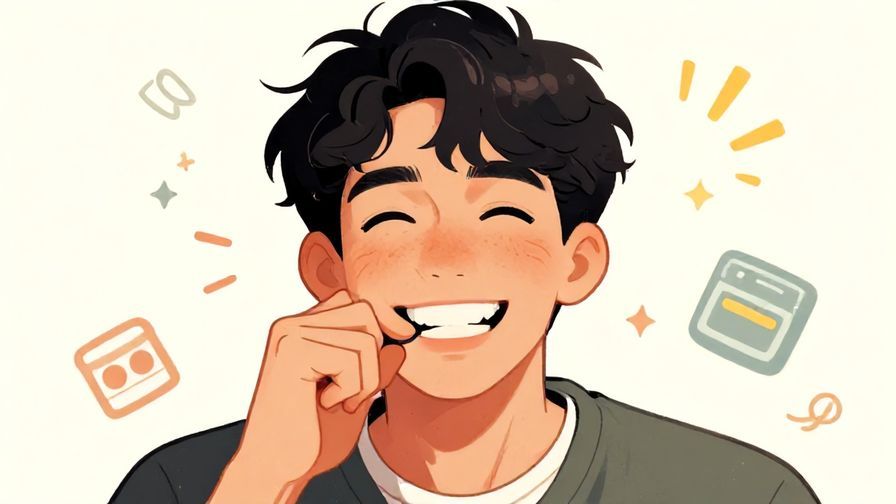
This phrase is a bit longer but very clear.
It uses 我慢する (gaman suru), meaning “to endure” or “to hold back,” plus 笑う (warau).
It’s a polite and descriptive way to say “Don’t laugh” by implying effort.
Good for funny or awkward moments where laughter needs to be controlled.
It sounds more like a request than a command.
Try it when you want to soften the mood but still ask for control.
8. 笑うのはやめて (Warau no wa yamete) – “Stop laughing.”
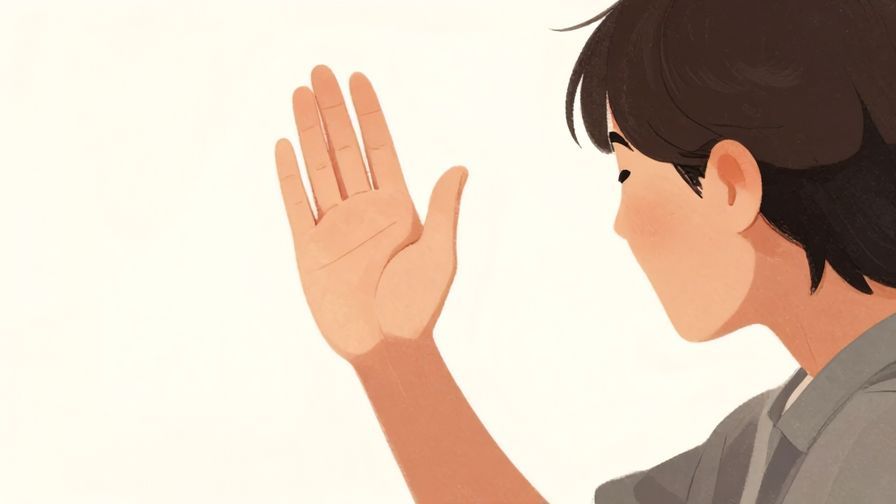
This phrase literally means “Stop laughing.”
It uses やめる (yameru), meaning “to stop.”
It’s polite but still casual enough for friends and family.
Use it when laughter is becoming disruptive or unwanted.
The tone can be softened by adding ね (ne) at the end for friendliness.
A direct but friendly way to keep the mood under control.
Part 2: Polite & Formal Suggestions
9. 笑わないでください (Warawanaide kudasai) – “Please don’t laugh.”

This is the polite and standard way to say “Don’t laugh” in formal situations.
It uses ください (kudasai), the polite “please.”
Perfect for workplace, classroom, or formal social settings.
Using this phrase shows respect and seriousness.
Try it when you want to keep things professional but clear.
It’s a great phrase to have ready for presentations or speeches.
10. 笑わないようにお願いします (Warawanai you ni onegaishimasu) – “I kindly ask you not to laugh.”

This phrase is very polite and humble.
“ようにお願いします” (you ni onegaishimasu) means “I ask kindly that…”
It’s perfect for very formal occasions or when you want to emphasize politeness.
Use it when speaking to elders, teachers, or strangers in respectful contexts.
It’s a bit longer but sounds very respectful and careful.
Great for formal speeches or serious moments.
11. 笑わないでいただけますか? (Warawanaide itadakemasu ka?) – “Could you please not laugh?”

This is a very polite and slightly formal request.
It uses いただけますか (itadakemasu ka), a respectful way to ask for something.
Ideal for formal conversations or when you want to sound very courteous.
It softens the request, making it less direct.
Use it when you want to be both polite and gentle.
Perfect for situations where tone matters, like business meetings.
12. 笑わないでいただけると助かります (Warawanaide itadakeru to tasukarimasu) – “I’d appreciate it if you wouldn’t laugh.”
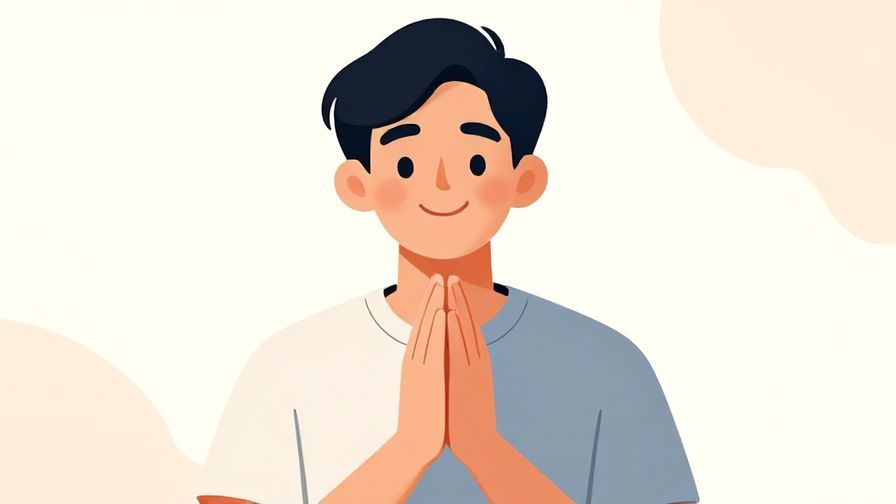
This phrase is very polite and expresses gratitude.
It literally says “It would help me if you don’t laugh.”
It’s a great way to make a humble and respectful request.
Use it to soften the mood and show appreciation.
Good for formal or semi-formal social settings.
Shows kindness and respect in your communication.
13. 笑わないでくださるとありがたいです (Warawanaide kudasaru to arigatai desu) – “I’d be grateful if you wouldn’t laugh.”
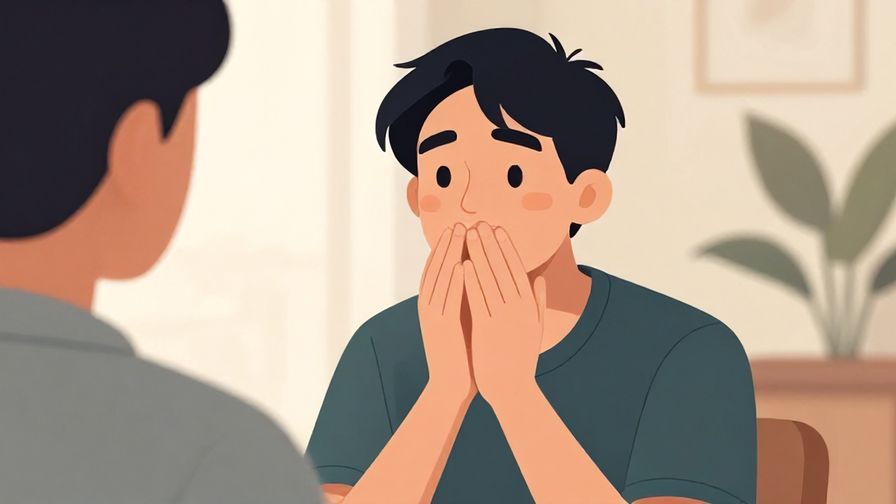
This is another polite and grateful way to ask someone not to laugh.
It uses くださる (kudasaru), a respectful verb for “to give,” making the tone very polite.
Perfect for formal letters, speeches, or careful conversations.
It’s a bit longer but shows strong respect.
Great for when you want to sound humble and thankful.
Try it in situations where manners are very important.
14. 笑うのは控えてください (Warau no wa hikaete kudasai) – “Please refrain from laughing.”

This phrase is more formal and uses 控える (hikaeru), meaning “to refrain.”
It’s useful in official settings or serious events.
Use it to politely ask people to keep quiet or serious.
It’s less casual, so best avoided with close friends.
Good for conferences, ceremonies, or meetings.
Shows professionalism and respect for the occasion.
15. 笑うことはご遠慮ください (Warau koto wa goenryo kudasai) – “Please refrain from laughing.”

This is a very formal and polite expression using ご遠慮ください (goenryo kudasai), meaning “please refrain.”
It’s often used in written notices or announcements.
Perfect for formal events where laughter might be inappropriate.
It sounds very official and respectful.
Use it when you want to be very clear and polite.
Great phrase to recognize in signs or instructions.
16. 笑わないように気をつけてください (Warawanai you ni ki o tsukete kudasai) – “Please be careful not to laugh.”
This phrase is polite and soft.
“気をつけて” (ki o tsukete) means “be careful” or “take care.”
It’s a gentle way to ask someone not to laugh, implying mindfulness.
Good for sensitive situations requiring a soft touch.
Use it when you want to sound caring rather than strict.
Perfect for delicate social moments.
Part 3: Very Casual / Native-like Expressions
17. 笑うなって!(Warau na tte!) – “I said don’t laugh!”
This is a very casual and emphatic way to tell someone not to laugh.
“なって” (na tte) adds a strong tone, like “I told you.”
It’s often used among close friends or siblings.
Sounds playful but can be sharp if used with strangers.
Try it when teasing or joking with people you know well.
It captures that natural, native energy perfectly.
18. 笑ったら負けだよ (Warattara make da yo) – “If you laugh, you lose.”

This is a playful phrase often used in games or challenges.
“笑ったら” (warattara) means “if you laugh,” and “負けだよ” (make da yo) means “you lose.”
It’s fun to use when trying to keep a straight face with friends.
It’s casual and perfect for informal settings.
Try this when you want to make “don’t laugh” into a game.
Great for lighthearted, friendly moments.
19. 笑うなよマジで (Warau na yo maji de) – “Seriously, don’t laugh.”
This phrase adds マジで (maji de), meaning “seriously,” for emphasis.
It’s casual but adds a strong tone to your request.
Use it when you want to sound sincere but informal.
Great for friends when the moment is important but fun.
Helps get your point across clearly with a bit of humor.
Perfect for everyday conversations.
20. 笑うなってば!(Warau na tte ba!) – “I’m telling you, don’t laugh!”
“ってば” (tte ba) adds an exasperated but playful nuance.
It’s like saying “Seriously, don’t laugh!” with a bit of frustration.
Very casual and used among close people.
Great for teasing moments when laughter is hard to hold back.
Use it to sound natural and native-like.
Shows closeness and playful frustration at the same time.
21. 笑うなって言ったでしょ!(Warau na tte itta desho!) – “I told you not to laugh, didn’t I?”

This is a playful reprimand often used among friends.
“言ったでしょ” (itta desho) means “I told you, right?”
It’s casual, humorous, and common in everyday speech.
Use it when someone laughs despite your warning.
Shows a fun dynamic where laughter is both expected and scolded.
Very natural in informal conversations.
22. 笑わないでってば!(Warawanaide tte ba!) – “I’m telling you, don’t laugh!”
This is a cute and casual way to ask someone not to laugh.
Adding ってば (tte ba) makes it playful and a bit pleading.
Great for close friends, siblings, or romantic partners.
It softens the request but still shows you mean it.
Try this when you want to sound endearing yet clear.
Perfect for lighthearted, affectionate moments.
Concluding Thought
Learning to say “Don’t laugh” in Japanese opens up fun and meaningful ways to connect with others, whether you’re joking around or keeping things serious.
With this list, you can confidently choose phrases that fit the mood—from polite requests to playful warnings—making your conversations feel natural and warm.
So next time you want to keep a straight face or ask someone to do the same, these Japanese phrases will have you covered. Keep practicing, have fun, and don’t forget—sometimes, a little laughter is exactly what we need!