22 Japanese ways to say “Don’t get mad, get even”
We all know the feeling: someone rubs us the wrong way, and our first instinct is to get angry. But what if there was a cooler, smarter way to respond?
In Japanese, the idea of “Don’t get mad, get even” can be expressed in many creative and insightful ways. These phrases are not just about revenge—they’re about staying calm, thinking ahead, and showing strength.
Whether you’re learning Japanese or just love clever sayings, these expressions will give you fresh ways to look at conflict and reaction.
From casual chatter to formal wisdom, these 22 phrases capture the spirit of turning frustration into clever action.
Each phrase comes with pronunciation and a little explanation to help you remember and use them naturally.
Ready to turn that anger into something powerful? Let’s dive into the best Japanese ways to say, “Don’t get mad, get even.”
Understanding the Spirit Behind the Phrases
Before we jump into the list, it’s important to know these phrases capture not just revenge but also composure and strategy.
Japanese culture often values patience and subtlety, so many expressions emphasize cool-headedness over rash anger.
Think of these as ways to say, “Keep your cool, and let your actions speak louder.”

Sometimes, using a great collection of Japanese proverbs can deepen your understanding and make these phrases even more memorable.
Keep these ideas in mind as you explore each phrase—it’s not just what you say, but how you carry the meaning.
Let’s start with some casual expressions you can use with friends or in relaxed settings.
Part 1: Casual Suggestions
1. 怒るより計る (Okoru yori hakaru) – “Measure rather than get angry.”
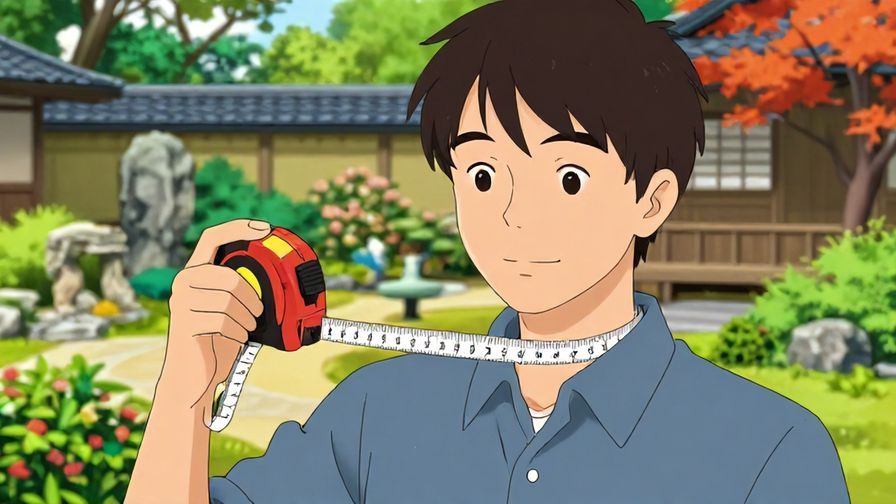
This phrase encourages you to think carefully instead of immediately getting mad.
“Okoru” means “to get angry,” and “hakaru” means “to measure” or “to plan.” So, it literally says, “Plan, don’t just get mad.”
It’s a reminder that thoughtful action beats emotional reaction.
Use this when you want to suggest someone pause and think before reacting.
It’s similar in spirit to the English phrase, “Think before you act.”
Remember, staying cool gives you the power to respond better.
2. 怒るな、返せ (Okoru na, kaese) – “Don’t get mad, get back.”

This is a straightforward phrase meaning “Don’t get angry, take action instead.”
“Okoru na” means “Don’t get mad,” and “kaese” is the command form of “return” or “get back.”
It fits perfectly when you want to tell a friend to channel energy into solving the problem.
A common mistake is to use this phrase too harshly—keep your tone light to keep it casual.
Example: After someone’s insult, you might say, “Okoru na, kaese!” to encourage calm comeback.
This phrase is a great motivator to focus on actions, not feelings.
3. 怒らずに勝つ (Okorazu ni katsu) – “Win without anger.”

This phrase highlights winning gracefully by staying calm.
“Okorazu” means “without anger,” and “katsu” means “to win.”
It’s a powerful reminder that anger can cloud judgment, but calmness leads to victory.
Use it to encourage patience and smart strategy.
It’s especially good for competitive situations, like sports or debates.
Keep your cool to come out on top every time.
4. 腹を立てるより腹を決めろ (Hara o tateru yori hara o kimero) – “Decide your course rather than get upset.”

“Hara” means “belly” but figuratively refers to guts or resolve.
This phrase contrasts “getting angry” (hara o tateru) with “making up your mind” (hara o kimero).
It encourages firm decisions over emotional flare-ups.
Great for moments when you need to take control instead of reacting impulsively.
It reminds you that calm determination beats frustration every time.
Practice using this phrase mentally when you feel irritation rising.
5. 腹黒くならずに勝て (Haraguroku narazu ni kate) – “Win without being spiteful.”
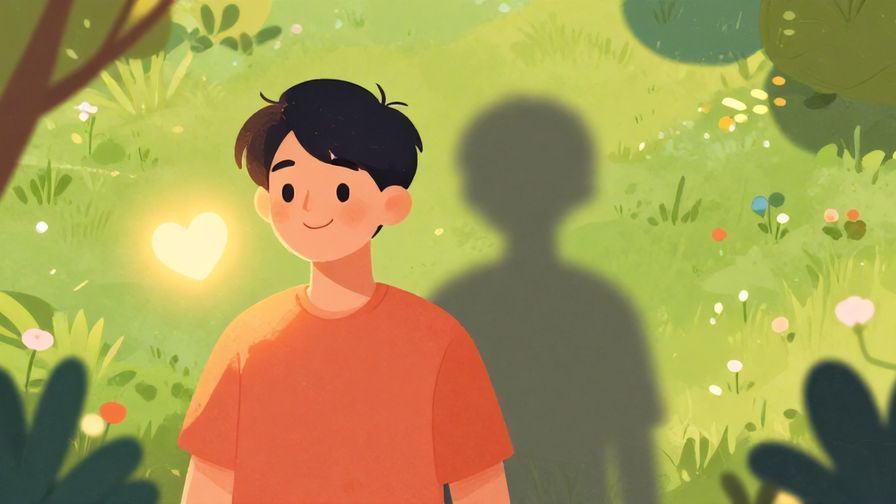
This phrase warns against bitterness while seeking revenge or justice.
“Haraguro” literally means “black belly,” a metaphor for being spiteful or scheming.
It tells you to keep your intentions pure even when you want to get even.
Perfect for reminding friends to avoid toxic grudges.
Use it when discussing conflicts where forgiveness is better than bitterness.
Winning with a clean heart is the ultimate victory.
6. 怒りは力に変えろ (Ikari wa chikara ni kaero) – “Turn anger into strength.”
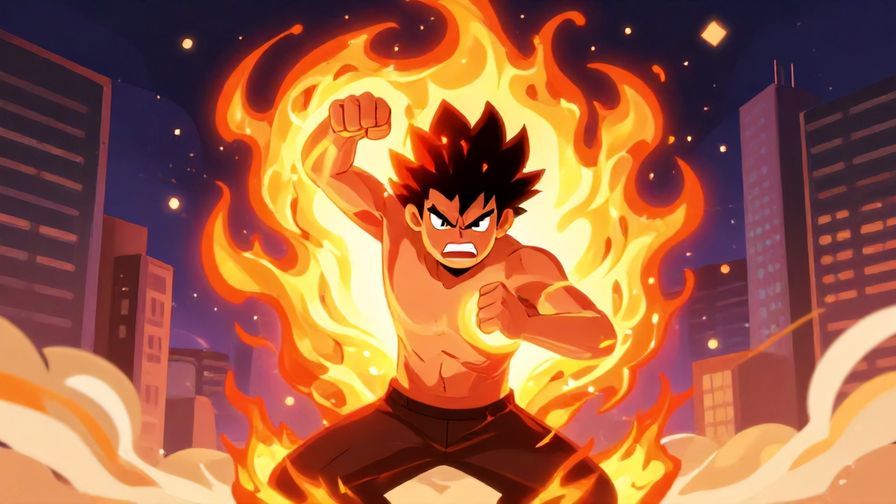
This phrase encourages channeling negative emotions into positive energy.
“Ikari” means “anger,” and “chikara” means “power” or “strength.”
It’s a healthy way to approach frustration and conflict.
Use this when you want to inspire someone to be proactive.
Common mistake: don’t let anger consume you; use it as fuel instead.
This mindset turns setbacks into comebacks.
7. 怒っても仕方ない (Okotte mo shikatanai) – “Getting mad won’t help.”

This phrase is a gentle reminder that anger doesn’t change the situation.
“Okotte mo” means “even if you get mad,” and “shikatanai” means “there’s no use.”
Perfect for calming down in tense moments.
It’s a popular phrase used to encourage letting go.
Try repeating it to yourself when frustration builds.
Letting go of anger opens the door to better solutions.
8. 怒りは敵にしない (Ikari wa teki ni shinai) – “Don’t make anger your enemy.”

This phrase suggests not letting anger control or defeat you.
“Teki” means “enemy,” and “shinai” is the negative form of “make/do.”
It’s a way of saying anger should be mastered, not feared.
Use this to remind yourself or others to stay in control emotionally.
Often paired with advice on mindfulness or meditation.
Master your emotions, and you master your life.
Part 2: Polite & Formal Suggestions
9. 怒りを抑えて、機会を待つ (Ikari o osaete, kikai o matsu) – “Suppress anger, wait for opportunity.”

This formal phrase encourages patience and strategic timing.
“Osaeru” means “to suppress,” and “kikai” means “opportunity.”
It’s perfect for professional or serious situations.
Remember not to confuse “suppress” with “ignore”—it’s about control, not denial.
Use in business or polite conversations when advising calm action.
Waiting for the right moment often leads to the best outcomes.
10. 怒りを力に変える知恵 (Ikari o chikara ni kaeru chie) – “Wisdom to turn anger into strength.”
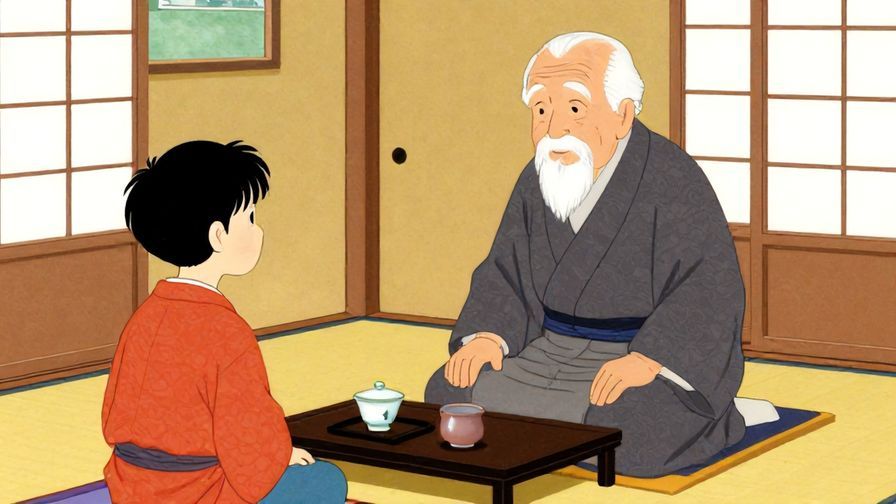
This phrase highlights the intelligent use of emotions.
“Chie” means “wisdom,” emphasizing thoughtful transformation of anger.
Great for speeches, advice, or reflective writing.
Avoid using it lightly; it carries a tone of respect and depth.
Example: A mentor might use this to teach patience and strength.
Wisdom is key to turning tough emotions into growth.
11. 感情を抑え、行動で示す (Kanjou o osae, koudou de shimesu) – “Control emotions, show through actions.”

This phrase teaches the power of silent action over loud emotion.
“Kanjou” means “emotions,” and “koudou” means “actions.”
It’s a refined way to advise maturity in conflict.
Don’t mistake it for apathy; it’s about deliberate response.
Use it in professional or educational contexts.
Actions always speak louder than words, especially in tension.
12. 怒りより忍耐 (Ikari yori nintai) – “Patience over anger.”
A simple, elegant phrase prioritizing patience.
“Nintai” means “patience” or “endurance.”
Use this to remind yourself or others that anger is often a waste.
Common in formal advice or proverbs.
It’s easy to remember and very practical in daily life.
Patience is a timeless virtue that wins many battles.
13. 怒りを捨てて、冷静に (Ikari o sutete, reisei ni) – “Throw away anger, be calm.”

This phrase encourages letting go of anger to regain composure.
“Suteru” means “to throw away,” and “reisei” means “calmness.”
Perfect for mindful moments or calming advice.
Don’t use it to dismiss legitimate feelings; it’s about emotional balance.
Try this when you feel overwhelmed by frustration.
Calm minds lead to clearer decisions.
14. 怒りは自分を傷つける (Ikari wa jibun o kizutsukeru) – “Anger hurts yourself.”

This phrase teaches the self-destructive nature of anger.
It’s a caution to protect your own peace.
Use it to encourage emotional self-care.
It’s especially useful in reflective or counseling contexts.
Remember, holding onto anger often backfires.
Protect your heart by choosing calm instead.
15. 怒りは時と共に消える (Ikari wa toki to tomo ni kieru) – “Anger fades with time.”

A comforting phrase reminding that anger is temporary.
“Toki” means “time,” and “kieru” means “to disappear.”
Good for giving perspective during conflicts.
Don’t rush resolution; sometimes time is the best healer.
Use this to encourage patience and hope.
Remember, feelings change as time passes.
16. 怒らずに対処する (Okorazu ni taisho suru) – “Handle without anger.”

This phrase is about managing problems calmly.
“Taisho” means “to deal with” or “to handle.”
It’s practical advice for both personal and professional life.
Try to use this when discussing conflict resolution strategies.
Stay calm and focused; it leads to better outcomes.
Handling things without anger is a mark of maturity.
Part 3: Very Casual / Native-like Expressions
17. ムカつくけど、黙ってやり返す (Mukatsuku kedo, damatte yarikaesu) – “It pisses me off, but I’ll get back silently.”
This is a super casual, native expression often used among close friends.
“Mukatsuku” means “to be pissed off,” “damatte” means “silently,” and “yarikaesu” means “to get back” or “retaliate.”
It captures the cool, quiet revenge vibe perfectly.
Use this only with people you know well—it’s quite informal.
It’s like saying, “I’m mad, but I won’t make noise about it.”
Great for expressing restrained frustration with humor.
18. 腹立つけど、やり返すだけ (Haradatsu kedo, yarikaesu dake) – “It’s annoying, but I’ll just get even.”

This phrase is another casual way to say you’re upset but ready to respond.
“Haradatsu” means “to get annoyed,” and “dake” means “just” or “only.”
It’s straightforward and commonly used in everyday conversation.
Use it to express mild frustration with a plan to act.
It’s a good phrase to practice informal Japanese.
Keep it light and casual for best effect.
19. キレるよりやり返せ (Kireru yori yarikaese) – “Instead of snapping, get back.”

“Kireru” means “to snap” or “lose temper,” and “yarikaese” is “get back” or “retaliate.”
This phrase advises against quick anger in favor of clever response.
It’s punchy and memorable, often used in youth slang.
Use it to encourage self-control and smart comebacks.
Great for casual talks about conflict or frustration.
Remember, cool heads win the game.
20. 腹立てずにやり返せ (Haradatezu ni yarikaese) – “Get back without getting angry.”

This phrase is a casual yet wise way to say “Don’t get mad, just get even.”
“Haradatezu” means “without getting angry.”
It’s very natural and easy to remember.
Use it in daily conversation to sound more native.
It balances emotion and action perfectly.
Try it next time you want to advise calm retaliation.
21. ムカつくけど、負けない (Mukatsuku kedo, makenai) – “It pisses me off, but I won’t lose.”

This phrase combines frustration with resilience.
“Makenai” means “won’t lose.”
It’s casual and motivational, perfect for speaking with friends.
Use it to express determination despite irritation.
It’s a great way to sound both emotional and strong.
Perfect for encouraging yourself or others.
22. 怒るより、静かに仕返し (Okoru yori, shizuka ni shikaeshi) – “Quiet revenge rather than anger.”

This phrase perfectly captures the essence of “Don’t get mad, get even” with a subtle twist.
“Shizuka ni” means “quietly,” and “shikaeshi” means “revenge.”
It’s clever and mature, popular among young adults.
Use this to express smart, calm payback.
It reminds us that silence is sometimes the best weapon.
Master this, and you’ll sound like a native strategist!
Concluding Thought
Exploring these 22 Japanese phrases shows us how language reflects culture—where patience, calmness, and cleverness often trump raw emotion.
“Don’t get mad, get even” isn’t just about revenge; it’s about turning feelings into strength and choosing your battles wisely.
Next time you feel anger rising, remember one of these gems and channel that energy into something powerful and positive. Ganbatte!