22 Japanese ways to say “Don’t be such a downer”
Ever had that one friend who just can’t stop bringing the mood down? You know, the kind of vibe that makes you want to say, “Don’t be such a downer!”
Well, in Japanese, there are plenty of warm, casual, and even playful ways to express this sentiment without sounding harsh. Whether you’re chatting with friends or need a polite nudge, this list has got you covered.
Learning these phrases not only adds nuance to your Japanese but also helps you connect better with native speakers by sounding natural and relatable.
From casual to polite, and even native-like slang, we’ll explore 22 different ways to say “Don’t be such a downer” in Japanese. Ready to brighten someone’s day the Japanese way?
Before you jump into the list, having a good Japanese phrasebook can be super handy for quick reference and deeper understanding.
Let’s dive in and sprinkle some positivity into your conversations!
Warm-Up: Understanding Tone and Context
Before we jump into the phrases, it’s important to understand that telling someone “Don’t be such a downer” can come off differently depending on tone and relationship.
Japanese has various levels of politeness and casualness. Using the right phrase in the right situation ensures your message is friendly and not offensive.
Think of these phrases as gentle nudges rather than blunt commands.

If you want a handy companion for mastering these nuances, a beginner Japanese phrasebook is a great start.
It’s easier than you think to pick up these phrases and start sounding like a native.
Practice them in casual chats and watch your Japanese conversations bloom!
Part 1: Casual Suggestions
1. 元気出してよ (Genki dashite yo) – “Cheer up!”
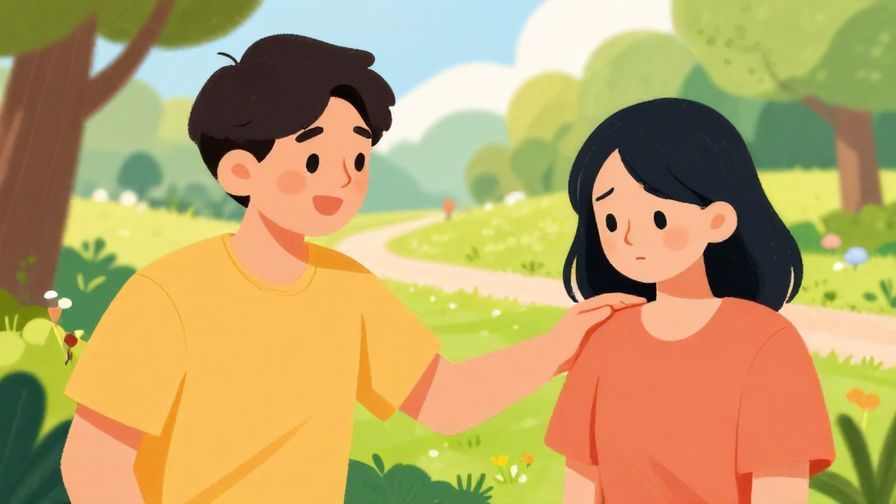
This phrase is a friendly way to tell someone to perk up and stop feeling down.
“元気” (genki) means “energy” or “health,” and “出して” (dashite) means “put out” or “show.” Together, it’s like saying “Put out your energy!”
It’s great for casual settings with friends or family.
Using “よ” (yo) adds a warm emphasis, making it feel encouraging.
You might hear similar phrases like “元気出してね” (genki dashite ne), which is softer and more caring.
Try it next time a friend looks gloomy, and you want to lift their spirits gently.
2. そんな暗くならないで (Sonna kuraku naranai de) – “Don’t be so gloomy.”
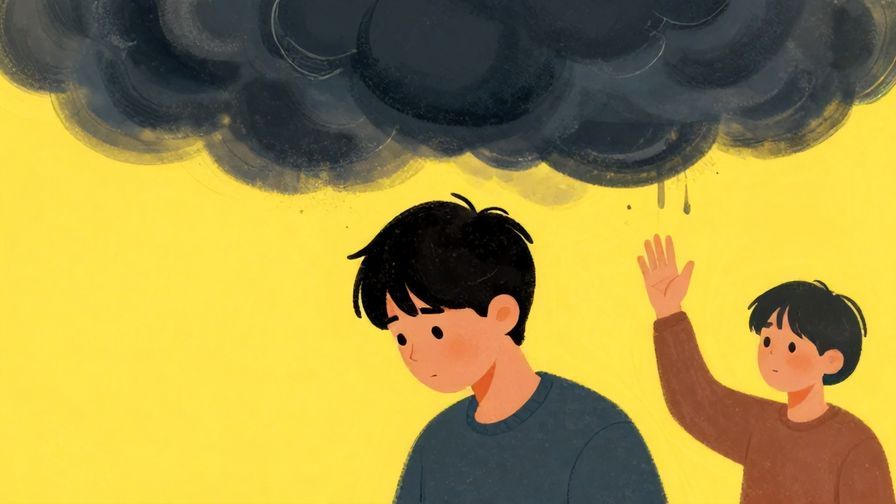
This phrase literally tells someone not to become so dark or gloomy.
“そんな” (sonna) means “such,” “暗く” (kuraku) means “dark” or “gloomy,” and “ならないで” (naranai de) is “don’t become.”
It’s casual but not harsh, great for friends who are being a bit negative.
Be careful with tone—too serious can sound scolding, so keep it light and warm.
It’s a common phrase used to shift a conversation back to a brighter tone.
Practice this to gently nudge someone back to positivity without offending.
3. そんなに気にしないで (Sonnani ki ni shinaide) – “Don’t worry so much.”
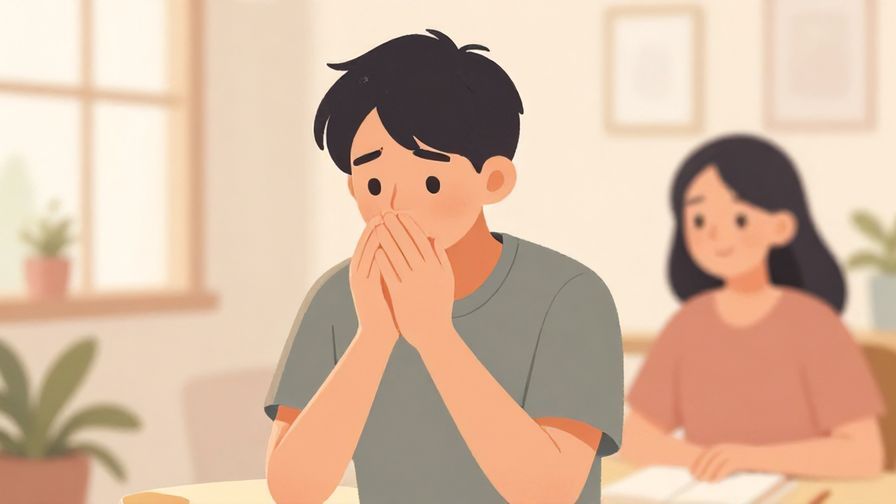
This is a very common way to tell someone not to be so down by easing their worries.
“そんなに” (sonnani) means “that much,” “気にしないで” (ki ni shinaide) means “don’t mind” or “don’t worry.”
It’s gentle and often used when someone is overthinking or stressing.
The phrase feels like a comforting reminder to relax.
Useful in everyday conversations when someone’s mood is low because of stress.
Adding a smile while saying this makes it feel even more supportive.
4. へこまないでよ (Hekomanai de yo) – “Don’t get discouraged.”
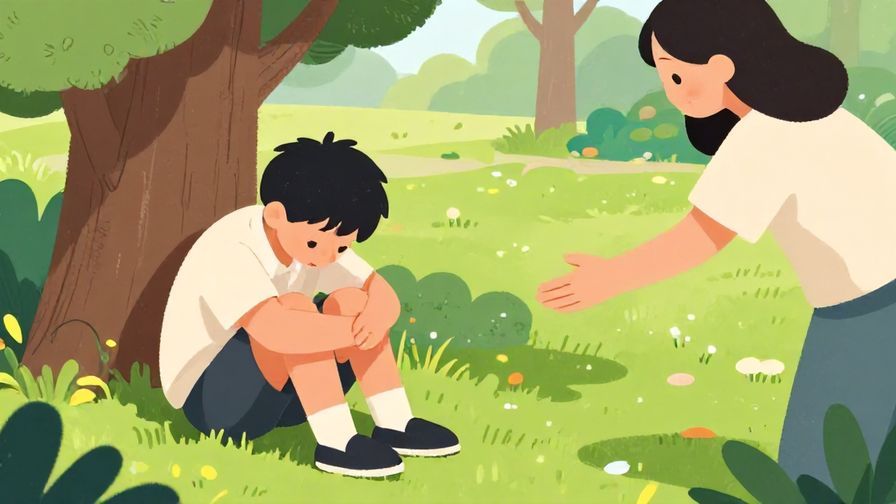
“へこむ” (hekomu) means “to be discouraged” or “to feel down.”
Adding “ないで” (naide) makes it a negative imperative: “Don’t get discouraged.”
“よ” (yo) adds emphasis with a friendly tone.
This phrase is casual and perfect for close friends or peers.
It’s like saying, “Hey, don’t let it get to you!” in a lighthearted way.
Great for boosting morale after a small failure or setback.
5. そんな暗い顔しないで (Sonna kurai kao shinaide) – “Don’t make such a gloomy face.”
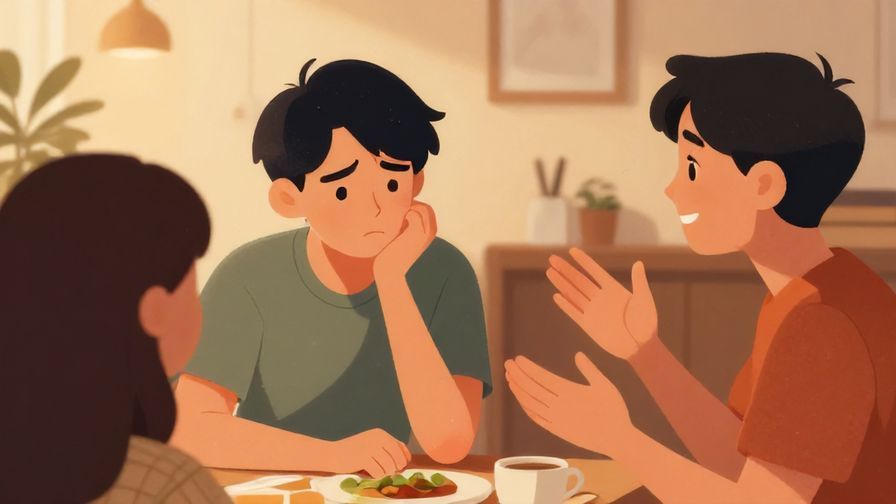
This phrase focuses on facial expression to encourage positivity.
“暗い顔” (kurai kao) means “gloomy face,” and “しないで” (shinaide) means “don’t do.”
It’s very casual and often used among friends or siblings.
It directly addresses the mood but in a playful way.
Use it when someone’s expression gives away their bad mood.
It can lighten the atmosphere by gently calling out the downer vibe.
6. そんなに落ち込まないで (Sonnani ochikomanai de) – “Don’t be so down.”
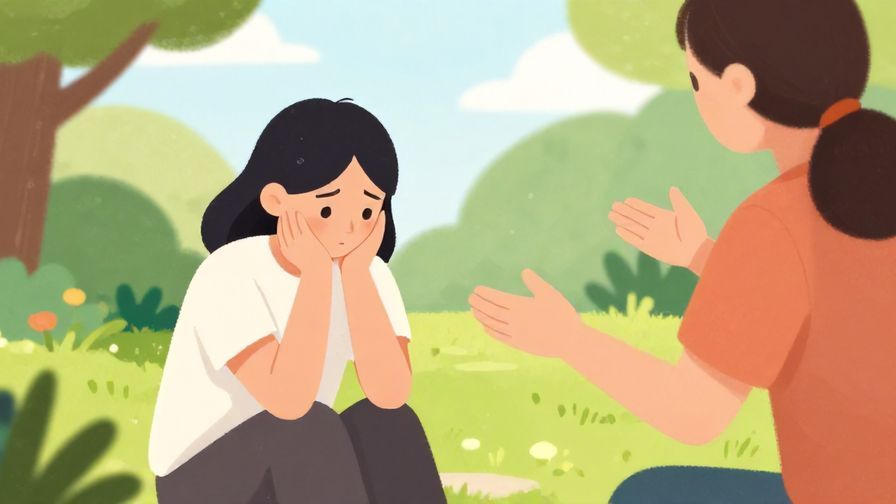
“落ち込む” (ochikomu) means “to feel down” or “depressed.”
Adding the negative form “ないで” (naide) turns it into “Don’t be so down.”
It’s a warm, straightforward way to cheer someone up.
Great for casual conversations with friends or coworkers you’re close with.
Often used when someone is sulking or feeling disappointed.
It’s like giving a soft push to lift their mood back up.
7. ネガティブにならないで (Negatibu ni naranaide) – “Don’t be negative.”

This phrase is a direct, casual way to tell someone to stop being negative.
“ネガティブ” (negatibu) is borrowed from English “negative,” and “ならないで” (naranaide) means “don’t become.”
It’s commonly understood and sounds modern and casual.
Best used among friends who are comfortable with direct talk.
Can be playful or serious depending on tone.
It’s a quick way to call out a downer attitude and encourage positivity.
8. そんなにしょげないで (Sonnani shogenai de) – “Don’t be so downhearted.”
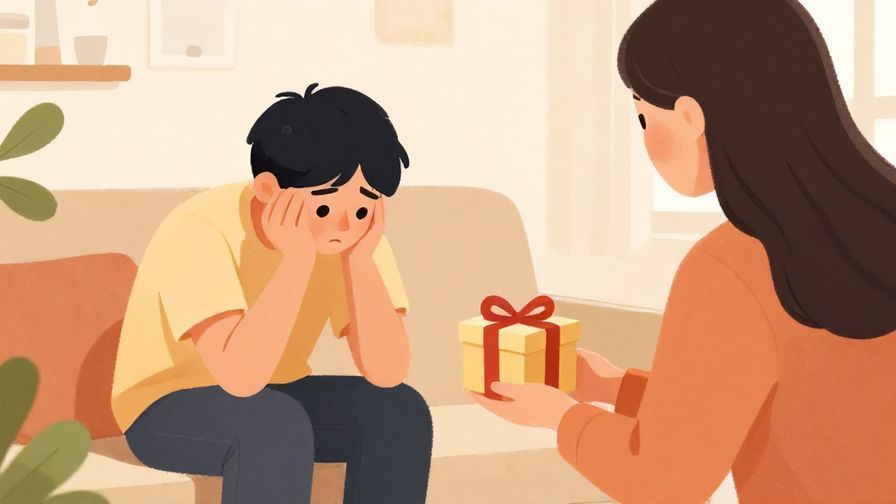
“しょげる” (shogeru) means “to be downhearted” or “to sulk.”
With “ないで” (naide), it becomes “Don’t be downhearted.”
This phrase has a cute, almost childlike feel to it.
It’s perfect for light teasing among close friends or younger people.
Often used to lighten the mood when someone is being overly dramatic.
Great for bringing a smile back with a bit of warmth and humor.
Part 2: Polite & Formal Suggestions
9. 元気を出してください (Genki o dashite kudasai) – “Please cheer up.”

This is a polite version of “Cheer up,” suitable for coworkers or acquaintances.
“ください” (kudasai) adds a respectful “please” to the phrase.
It’s formal but still warm and supportive.
Useful when you want to encourage someone without sounding too casual.
Often used in workplace or formal social settings.
Combining kindness and respect makes it perfect for delicate moments.
10. あまり落ち込まないでください (Amari ochikomanai de kudasai) – “Please don’t be too down.”
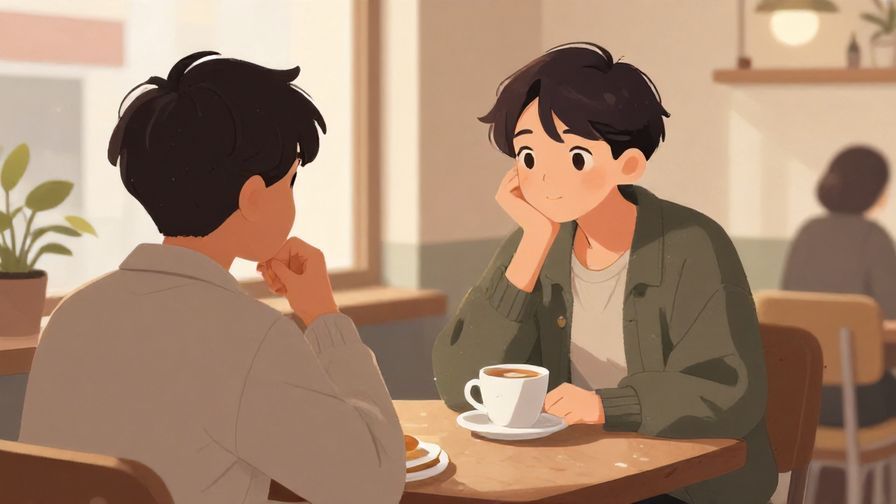
This is a polite request to not be overly sad or discouraged.
“あまり” (amari) means “too much” or “excessively,” and “ください” (kudasai) makes it polite.
It’s perfect for more formal relationships or when you want to be considerate.
Shows empathy while maintaining respect.
You can soften it further by adding “ね” (ne) at the end for warmth.
Use this phrase when you want to gently lift someone’s mood respectfully.
11. 元気を出していただけますか (Genki o dashite itadakemasu ka) – “Could you please cheer up?”

This is a very polite and respectful way to encourage someone.
“いただけますか” (itadakemasu ka) is a humble request form.
It’s best used in very formal settings or with people you don’t know well.
Shows utmost respect while expressing concern.
Because it’s quite formal, use it carefully to avoid sounding distant.
Great for situations where tone and politeness are crucial.
12. どうか元気を出してください (Douka genki o dashite kudasai) – “Please, I beg you, cheer up.”
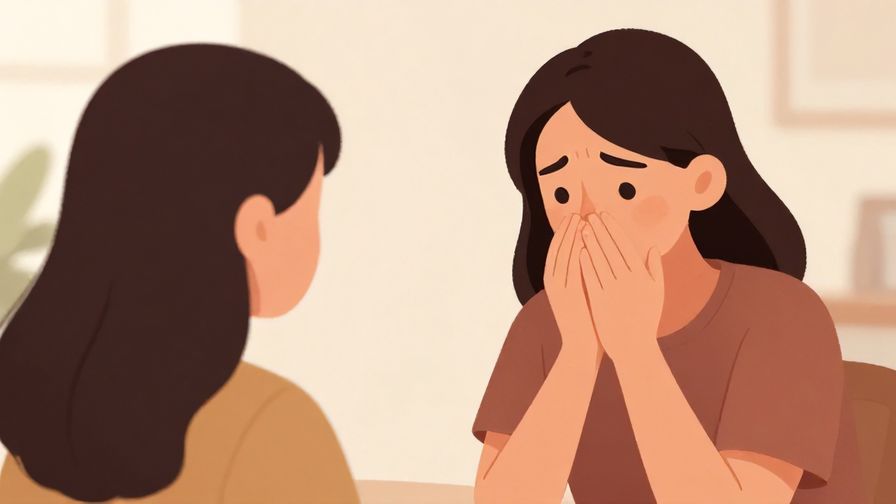
“どうか” (douka) adds a heartfelt plea, making this phrase more emotional.
It’s polite and shows strong desire for the other person’s well-being.
Best for close relationships where you want to show sincere care politely.
It can be used in letters, messages, or face-to-face conversations.
Use it when you want to emphasize your concern with warmth.
It’s a beautiful way to say “Please cheer up” with depth.
13. 落ち込まないでいただけますか (Ochikomanai de itadakemasu ka) – “Would you kindly not be down?”

This phrase is a polite and humble request to not feel down.
“いただけますか” (itadakemasu ka) makes it very respectful.
It’s perfect for formal or semi-formal situations.
Shows you care while keeping distance and respect intact.
Can be a bit heavy if used casually, so choose your moment.
Great for professional or respectful personal relationships.
14. どうぞ元気を出してください (Douzo genki o dashite kudasai) – “Please, do cheer up.”
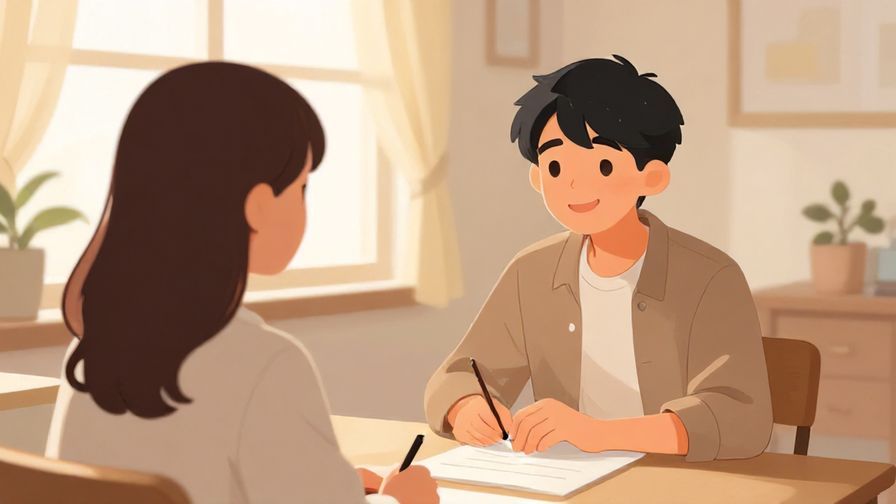
“どうぞ” (douzo) adds a polite “please” with a welcoming tone.
It’s formal but friendly, ideal for polite conversations.
Great for encouraging someone gently without pressure.
Combines kindness with respect smoothly.
Use it in emails, messages, or spoken language when needed.
A versatile phrase to keep in your polite Japanese toolkit.
15. あまり気にしないでください (Amari ki ni shinaide kudasai) – “Please don’t worry so much.”
This is a polite way to tell someone not to worry excessively.
“あまり” (amari) means “too much,” and “気にしないでください” (ki ni shinaide kudasai) means “please don’t mind/worry.”
It’s often used when someone is stressed or anxious.
Soft and caring, ideal for polite and formal contexts.
Adding a gentle smile while saying this helps convey warmth.
Perfect for encouraging calm and positivity politely.
16. 元気を失わないでください (Genki o ushinawanaide kudasai) – “Please don’t lose your spirit.”
“失う” (ushinau) means “to lose,” so this is a polite request not to lose energy or spirit.
It’s formal and poetic, making it stand out in polite speech.
Great for comforting someone going through a tough time.
Shows deep respect and concern.
Use it in heartfelt conversations or written encouragement.
A beautiful phrase to express care with elegance.
Part 3: Very Casual / Native-like Expressions
17. そんなに落ち込むなよ! (Sonnani ochikomu na yo!) – “Don’t be so down, man!”

This is a casual, masculine way to say “Don’t be so down.”
“な” (na) and “よ” (yo) add a rough but friendly tone.
Perfect among close male friends or younger people.
It’s direct but not mean-spirited.
Use it when you want to sound natural and native-like among peers.
Great for informal, relaxed settings.
18. へこむなよ! (Hekomu na yo!) – “Don’t get discouraged, dude!”

This is a punchy, casual expression to tell someone not to get discouraged.
Short and to the point, it’s very common in everyday slang.
Use with close friends or in informal situations.
It’s energetic and encouraging without any fluff.
Perfect when you want to sound cool and confident.
Great for quick mood boosts among peers.
19. ネガるな! (Negaru na!) – “Stop being negative!”

“ネガる” (negaaru) is slang derived from “negative.”
“な” (na) is a casual negative imperative, telling someone to stop.
It’s very informal and youthful.
Use only with close friends who understand the slang.
It’s a quick, punchy way to call out negativity.
Perfect for playful teasing to lighten the mood.
20. 暗くすんなよ! (Kura kusun na yo!) – “Don’t be so gloomy!”

Shortened, rough version of “Don’t be gloomy.”
“すんな” (sunna) is a contracted form of “するな” (do not do).
Very casual and somewhat masculine.
Use in very informal contexts with friends.
It’s direct but can be affectionate with the right tone.
Great for native-like casual speech.
21. そんな暗いこと言うなよ (Sonna kurai koto iu na yo) – “Don’t say such gloomy things.”
This phrase calls out negative talk directly but casually.
“言うな” (iu na) means “don’t say.”
It’s informal and used among friends.
Good for stopping a downer comment in its tracks.
Sounds natural and native in casual conversations.
Use with playful tone to avoid sounding harsh.
22. いつまでも落ち込んでるなよ! (Itsumademo ochikonderu na yo!) – “Don’t keep being down forever!”
This phrase playfully tells someone to stop sulking endlessly.
“いつまでも” (itsumademo) means “forever,” “落ち込んでる” (ochikonderu) is “being down.”
“なよ” (na yo) adds casual emphasis.
Perfect for friends who need a push to move on.
It’s affectionate and lively, showing you care.
Try this when you want to gently snap someone out of a funk.
Concluding Thought
Exploring these 22 Japanese ways to say “Don’t be such a downer” shows just how rich and nuanced the language is when it comes to expressing empathy and encouragement.
From polite phrases full of respect to casual slang that friends use to tease each other, each expression carries its own warmth and intention.
So next time you want to brighten someone’s mood, you’ll have the perfect Japanese phrase ready to share some positivity with style and heart!