22 Japanese ways to say “Destiny”
Destiny is one of those magical words that feels both mysterious and comforting. It’s the idea that some things are meant to be, no matter what.
In Japanese, there are many beautiful ways to express this concept, each carrying its own nuance and feeling.
Whether you want to speak about fate in a poetic sense or casually mention it in conversation, you’ll find the perfect word here.
Exploring these different expressions can deepen your understanding of language and culture, and maybe even your own sense of destiny.
Plus, learning these words can add a touch of charm when talking about life’s twists and turns.
Ready to discover 22 Japanese ways to say “Destiny”? Let’s dive in!
Understanding Destiny in Japanese
Destiny isn’t just one word in Japanese; it can be expressed in various ways depending on the context.
Some terms are poetic and profound, while others are more everyday or philosophical. It’s fascinating how language captures these layers.
Each word often combines kanji that hint at meaning—like fate, connection, or time.
Sometimes, a kanji dictionary can help you see the beauty in these characters and their meanings.
It’s a journey worth taking, especially if you love language or the idea of fate.
Let’s start with some casual and commonly used words!
Part 1: Casual Suggestions
1. 運命 (Unmei) – “Destiny” or “Fate”

Unmei (うんめい) is the direct and most common word for destiny or fate.
It combines 運 (un), meaning “luck” or “fortune,” and 命 (mei), meaning “life” or “order.” Together, it captures the idea of a destined life path.
Use this word when talking about something that feels meant to happen.
It’s very versatile and works in both casual and formal settings.
A related phrase is 運命の人 (unmei no hito) meaning “the destined person,” often used for soulmates.
So when you want to say “It was destiny,” unmei is your go-to word!
2. 縁 (En) – “Fateful Connection”

En (えん) refers to a special bond or fate that connects people or events.
The kanji 縁 means “connection” or “relationship,” emphasizing that destiny is about meaningful encounters.
It’s often used when talking about relationships or meetings that seem meant to be.
Remember, en is less about a big destiny and more about connections that feel significant.
A common phrase is 縁を感じる (en o kanjiru), “to feel a connection,” perfect for destiny in relationships.
It’s a beautiful word that reminds us destiny can be about people, not just events.
3. 宿命 (Shukumei) – “Predestined Fate”

Shukumei (しゅくめい) means “predestined fate.”
宿 (shuku) means “lodging” or “dwelling,” and 命 (mei) means “life” or “fate.” Together, it suggests a fate that is fixed or unavoidable.
This word carries a slightly heavier and more serious tone than unmei.
Use it when talking about destiny that feels set in stone.
It can be poetic or philosophical, often used in literature or deep conversations.
Understanding shukumei can deepen your appreciation of fate’s weight in Japanese culture.
4. 定め (Sadame) – “Decree” or “Fate”

Sadame (さだめ) means “decree” or “fate.”
It emphasizes a destiny that is ordained or decided by a higher power.
This word has a poetic and somewhat formal feel, often found in classic literature or music.
Use sadame when you want to express destiny as something solemn and unchangeable.
It’s less casual but very poetic and expressive.
Try pairing it with words like 宿る (yadoru), meaning “to dwell,” for poetic effect.
5. 運 (Un) – “Luck” or “Fortune”

Un (うん) is the simplest word for “luck” or “fortune.”
While it doesn’t exactly mean “destiny,” it often overlaps in casual talk about fate.
It’s easy to remember and use in everyday conversation.
For example, 運がいい (un ga ii) means “good luck.”
It’s a lighthearted way to talk about destiny’s positive side.
Great for beginners who want a casual, relatable word for fate or fortune.
6. 命運 (Meiun) – “Life’s Fate”

Meiun (めいうん) combines 命 (mei), “life,” and 運 (un), “luck” or “fortune.”
This word means “life’s fate” or “destiny of one’s life.”
It’s more dramatic and often used in serious or literary contexts.
Use meiun to talk about the big picture of destiny affecting life’s course.
It’s a good word to know if you enjoy poetic or philosophical discussions.
Try it out in writing or deep conversations about fate.
7. 天命 (Tenmei) – “Heaven’s Decree”

Tenmei (てんめい) means “heaven’s decree” or “divine destiny.”
天 (ten) means “heaven,” and 命 (mei) means “life” or “fate.”
This word suggests destiny as a divine or cosmic order.
It’s often used in philosophical or religious contexts.
Use tenmei when you want to emphasize destiny’s spiritual or cosmic aspect.
A beautiful word to reflect on fate’s grander meaning.
8. 縁起 (Engi) – “Cause and Effect” or “Destiny”
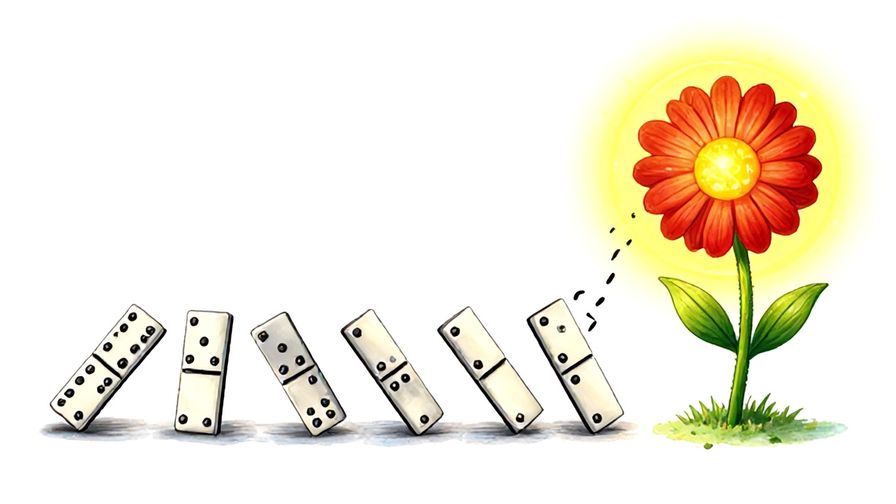
Engi (えんぎ) means “cause and effect” or “omen,” often tied to destiny.
It’s about how events connect and lead to inevitable outcomes.
Engi is used in Buddhist and everyday contexts to explain fate’s unfolding.
Use it when talking about destiny as a natural flow of cause and effect.
This word is especially useful for learners interested in cultural philosophy.
It adds depth to your understanding of how destiny works in life.
Part 2: Polite & Formal Suggestions
9. 天運 (Ten’un) – “Heavenly Fortune”

Ten’un (てんうん) means “heavenly fortune.”
It’s a formal word combining 天 (ten, heaven) and 運 (un, fortune).
Use it to express a refined sense of destiny influenced by the heavens.
This term is often found in formal speeches or classical texts.
It’s a great word for polite conversations about fate or fortune.
Try to remember the heavenly aspect to differentiate it from other destiny words.
10. 定命 (Teimei) – “Predetermined Life Span”

Teimei (ていめい) means “predetermined life span.”
定 (tei) means “fixed” and 命 (mei) means “life” or “fate.”
This word is formal and often used in medical or philosophical discussions.
It’s perfect when talking about life’s limits set by destiny.
Use it to add a serious tone to conversations about fate.
Remember it’s less about chance and more about fixed destiny.
11. 宿命論 (Shukumeiron) – “Doctrine of Fate”

Shukumeiron (しゅくめいろん) means “doctrine of fate.”
論 (ron) means “theory” or “discussion,” so it refers to philosophical ideas about destiny.
It’s a formal term, often used in academic or intellectual contexts.
Use it when discussing fate as a philosophical concept.
This word helps you sound knowledgeable when talking about destiny.
Great for learners interested in Japanese philosophy and literature.
12. 宿命的 (Shukumeiteki) – “Fateful” or “Predestined” (Adjective)

Shukumeiteki (しゅくめいてき) is an adjective meaning “fateful” or “predestined.”
It’s derived from 宿命 (shukumei) with the adjectival ending 的 (teki).
Use it to describe events or situations that feel destined.
This word adds nuance and emotion to your descriptions.
For example, 宿命的な出会い (shukumeiteki na deai) means “a fateful meeting.”
Try using adjectives like this to sound more natural and expressive.
13. 運勢 (Unsei) – “Fortune” or “Luck”

Unsei (うんせい) means “fortune” or “luck” and often relates to destiny.
It’s a polite word used in horoscopes or fortune-telling.
Use unsei when talking about your luck or fate in a respectful way.
It’s common in everyday life for polite discussions about future prospects.
Remember it’s about the state of luck, not fixed destiny.
Good for polite conversation or reading about fate predictions.
14. 定命的 (Teimeiteki) – “Predetermined” (Adjective)

Teimeiteki (ていめいてき) is an adjective from 定命 (teimei), meaning “predetermined.”
Use it to describe something fixed by destiny.
It’s formal and often used in serious contexts.
For example, 定命的な運命 (teimeiteki na unmei) means “a predetermined fate.”
This word is great for formal writing or serious talks about destiny.
Try to associate the “fixed” meaning when you hear it.
15. 宿業 (Shukugyō) – “Karmic Fate”

Shukugyō (しゅくぎょう) means “karmic fate” or “destiny shaped by past actions.”
It’s a Buddhist term combining 宿 (shuku, dwelling) and 業 (gyō, karma or actions).
Use this when discussing destiny influenced by karma or past deeds.
This word adds spiritual depth and nuance to your vocabulary.
Great for conversations about life’s lessons and spiritual fate.
Try exploring Buddhist texts to see it in context.
16. 定命論 (Teimeiron) – “Theory of Predetermined Life”

Teimeiron (ていめいろん) means “theory of predetermined life.”
It’s a formal and academic term often used in philosophical or religious discussions.
Use it when you want to talk about destiny as a concept that is fixed by natural laws.
This phrase is perfect if you’re into deep discussions on fate and existence.
It helps you sound knowledgeable and thoughtful.
Try reading philosophy books or essays for examples.
Part 3: Very Casual / Native-like Expressions
17. 仕組み (Shikumi) – “The Way Things Work” (Implied Destiny)

Shikumi (しくみ) means “mechanism” or “the way things work.”
While not a direct translation of destiny, it implies how fate naturally unfolds.
It’s a casual, native-like way to hint at destiny’s workings.
Use it in conversations about how life’s circumstances seem to fit together.
It’s great for sounding natural and conversational.
Try using it when reflecting on life’s flow or coincidences.
18. たまたま (Tamatama) – “By Chance” or “Coincidentally”

Tamatama (たまたま) means “by chance” or “coincidentally.”
It’s often used to describe events that seem like destiny but are actually random.
A super casual phrase native speakers use daily.
Use it when you want to downplay destiny or fate and emphasize luck or coincidence.
It’s a great word for casual storytelling and conversation.
Try it out when talking about unexpected meetings or events.
19. なるようになる (Naru you ni naru) – “What Will Be, Will Be”

This phrase means “what will be, will be.”
It’s a laid-back, native expression about accepting destiny.
Use it when you want to express a casual, philosophical acceptance of fate.
It reminds us that sometimes destiny unfolds naturally without stress.
Great for conversations about life’s unpredictability.
Use it to sound natural and wise in casual talk.
20. 仕方がない (Shikata ga nai) – “It Can’t Be Helped”

Shikata ga nai (しかたがない) means “it can’t be helped.”
It’s a common way to express acceptance of destiny or fate’s outcomes.
Use it when something is out of your control and you’re resigned to it.
It’s a very native and casual expression.
Perfect for everyday conversations about fate or unlucky events.
Try it when you want to sound natural and understanding.
21. ご縁 (Goen) – Polite “Fateful Connection”

Goen (ごえん) is the polite form of 縁 (en), meaning “fateful connection.”
The prefix ご adds respect, making it suitable for formal or polite situations.
Use it when talking about destiny or connections respectfully.
It’s great for business or formal social conversations.
Remember that this word highlights the importance of relationships in destiny.
Try it to sound polite yet warm.
22. 運命共同体 (Unmei kyōdōtai) – “Community of Shared Fate”

Unmei kyōdōtai (うんめいきょうどうたい) means “community of shared fate.”
It’s a compound word expressing that people share their destinies together.
Use it when emphasizing collective destiny or teamwork.
It’s a more advanced phrase but very meaningful.
Great for talks about groups, families, or societies connected by fate.
Try learning this to impress with your depth of understanding.
Concluding Thought
Exploring these 22 ways to say “destiny” in Japanese shows just how rich and nuanced the concept is.
From casual expressions to poetic and formal words, each one offers a unique perspective on fate.
So next time you talk about destiny, you’ll have a warm, relatable word ready to fit any mood or moment.