22 Japanese ways to say “Cut it out”
We all have those moments when someone’s behavior is just a little too much, and you want to say, “Cut it out!” in a way that really hits home. In Japanese, there are many fun and expressive ways to get that message across.
Whether you’re chatting with friends or need a polite way to stop someone’s antics, this list has got you covered. From casual expressions to formal phrases, you’ll find the perfect fit for every situation.
Learning these phrases will not only boost your Japanese skills but also help you understand cultural nuances in communication. Plus, it’s a great way to sound more natural and relatable to native speakers.
So, if you’ve ever wanted to tell someone to knock it off in Japanese without sounding harsh or awkward, keep reading! These 22 ways to say “Cut it out” will have you covered in no time.
Ready to add some spice to your Japanese conversations? Let’s dive in!
And if you want to expand your Japanese vocabulary even further, don’t miss this handy phrasebook for everyday Japanese.
Getting Started: Why So Many Ways?
Japanese is a rich language full of subtle differences, so there’s no single way to say something like “Cut it out.” The phrase you choose depends on your relationship with the person and the situation.
Some expressions are playful, some are firm, and others are polite enough for workplace use. Understanding these variations helps you communicate more effectively and avoid unintended rudeness.
It’s also a fun way to learn about Japanese culture and how people express frustration or ask for quiet in different settings.
And to really get those nuances down, check out this Japanese conversation practice guide.
Once you get these phrases under your belt, you’ll feel more confident handling tricky social moments in Japanese.
Part 1: Casual Suggestions
1. やめてよ (Yamete yo) – “Stop it!”

This is the go-to casual way to say “Cut it out” among friends or family. やめて (yamete) means “stop,” and adding よ (yo) adds a bit of emphasis.
It’s straightforward and commonly used to tell someone to quit teasing or doing something annoying. Easy to remember and sounds natural in informal settings.
A quick tip: The よ at the end makes it more forceful but still friendly, so you won’t come off as rude.
Use it when your friend won’t stop joking around or when someone’s bothering you playfully.
You can also say やめろ (yamero) for a stronger command, but やめてよ is softer and more conversational.
Give it a try next time you want to stop someone from being annoying without sounding harsh!
2. いい加減にして (Ii kagen ni shite) – “Cut it out already”

This phrase literally means “Do it properly” but is used to express frustration, like “Enough already” or “Cut it out!”
いい加減 (ii kagen) means “reasonable” or “enough,” and して (shite) is the command form of “do.” It’s perfect when you’re done putting up with someone’s behavior.
The tone here is more serious than やめてよ but still common in casual speech.
Use it when you want to show you’re fed up but not angry enough to be rude.
Don’t confuse it with いいかげんな, which means “irresponsible” or “sloppy.” The nuance changes with context.
Great for when playful annoyance turns into “please, stop already!” moments.
3. やめなさい (Yamenasai) – “Stop it!” (command)

やめなさい (yamenasai) is a firm but polite command, often used by parents or teachers to tell children to stop.
It’s based on the verb やめる (yameru) “to stop,” plus なさい (nasai), a polite command ending.
If you want to sound serious but still polite, this is your phrase.
It’s less casual than やめてよ but softer than やめろ.
Try it when you want to stop someone gently but with authority, especially kids or younger people.
Perfect for learning how to give polite commands without sounding too harsh.
4. やめろ (Yamero) – “Stop it!” (strong command)

やめろ (yamero) is the strong, blunt command form of “stop.” It’s used when you want to be very direct or serious.
This phrase is often heard in movies or intense situations but can come off as rude if used casually.
Use with caution—it’s great for emergencies or when you need to be firm immediately.
Not recommended for casual chats or with people you don’t know well.
Think of it as the Japanese equivalent of “Cut it out!” shouted with force.
Practice it to understand tone and intensity differences in commands.
5. もうやめて (Mou yamete) – “Stop it now”
もう (mou) means “already” or “now,” so もうやめて means “Stop it already” or “Cut it out now.”
This phrase has a softer, more urgent feel without being harsh.
It’s perfect when you want to stop someone gently but insistently.
Combine it with a soothing tone to keep things friendly.
Great for situations where you want someone to calm down or stop teasing without offending.
Try it next time you want to politely but firmly tell someone to stop.
6. いいかげんにしろ (Ii kagen ni shiro) – “Cut it out!” (stronger)

Similar to いい加減にして, but stronger and more commanding, いいかげんにしろ (ii kagen ni shiro) is a blunt way to say “Cut it out!”
This phrase is best used in serious or frustrating situations where you want to stop something immediately.
It’s a no-nonsense phrase and can sound rude if used lightly.
Great for expressing clear displeasure or frustration.
Use cautiously and mostly with close friends or in heated moments.
It’s a useful phrase to understand but not something to use casually.
7. ちょっとやめて (Chotto yamete) – “Hey, stop that!”

ちょっと (chotto) means “a little” or “hey,” so ちょっとやめて is a casual, friendly way to say “Cut it out!”
It softens the command and makes it sound more like a lighthearted warning.
Perfect when you want to sound playful or avoid sounding too serious.
Use with friends or family when teasing gets a little out of hand.
It’s easy to say and very common in everyday conversation.
Pair it with a smile to keep the mood light!
8. うるさいよ (Urusai yo) – “You’re noisy! Cut it out!”
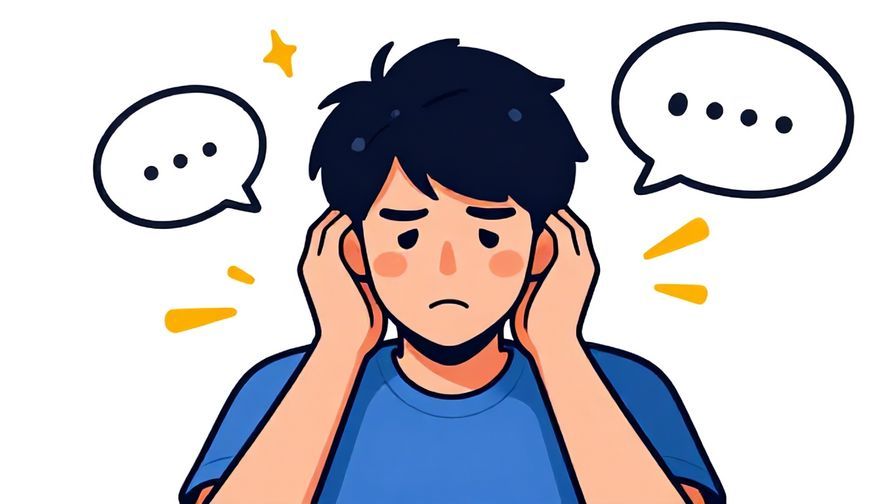
うるさい (urusai) means “noisy” or “annoying,” and adding よ (yo) makes it a strong statement.
When someone is being loud or irritating, うるさいよ is a common way to say “Cut it out!”
It’s casual and can be playful or serious depending on tone.
Be careful—it can sound rude if said harshly.
Use it with close friends or siblings in lighthearted situations.
Good for telling someone to stop making noise without being too formal.
Part 2: Polite & Formal Suggestions
9. おやめください (O-yame kudasai) – “Please stop” (formal)

おやめください is a very polite and formal way to ask someone to stop something.
お (o) is an honorific prefix, やめる (yameru) means “to stop,” and ください (kudasai) means “please.”
It’s perfect for use in customer service or formal situations where you need to be respectful.
Use this when asking politely but firmly, such as in business or public settings.
It’s more indirect and softer than commands like やめろ.
Great phrase to keep in mind for professional Japanese.
10. ご遠慮ください (Go-enryo kudasai) – “Please refrain from…”

ご遠慮ください is a very polite way to say “Please refrain from doing…” something.
It’s often used on signs or in announcements but can also be spoken politely.
Use this phrase when you want to ask someone to stop a behavior without sounding harsh.
Perfect for formal events, workplaces, or customer interactions.
It’s indirect but clear, showing respect while setting boundaries.
Keep this phrase handy for professional Japanese communication.
11. お控えください (O-hikae kudasai) – “Please refrain”

Similar to ご遠慮ください, お控えください (o-hikae kudasai) is a polite request to refrain from certain actions.
控える (hikaeru) means “to refrain” or “hold back.”
This phrase is often used in formal announcements or polite requests.
Use it when you want to politely ask someone to stop or not to do something.
It’s perfect for formal contexts or public places.
Practice this phrase to sound respectful in professional settings.
12. おやめになってください (O-yame ni natte kudasai) – “Please stop” (very polite)

This is a very polite and respectful way to say “Please stop.”
It uses the honorific form おやめになる plus ください for politeness.
Ideal for formal conversations or when speaking to superiors.
It’s more indirect and refined than おやめください.
Use it to maintain politeness while making a clear request.
Great for mastering respectful Japanese speech.
13. そろそろやめませんか? (Sorosoro yamemasen ka?) – “Shall we stop soon?”

This phrase is a polite, indirect way to suggest stopping something.
そろそろ means “soon” or “it’s about time,” and やめませんか is the negative question form “won’t you stop?”
It’s soft, friendly, and great for group settings where you want to suggest wrapping things up.
Use it when you want to avoid sounding harsh or commanding.
It’s a nice conversational way to say “Cut it out” without pressure.
Perfect for polite social situations.
14. どうかおやめください (Douka o-yame kudasai) – “Please, I beg you to stop”

どうか adds a pleading tone to おやめください, making it “Please, I beg you to stop.”
Use this when you want to emphasize your request politely but seriously.
It’s often used in written requests or when asking for something important.
Great for sensitive situations where you want to be both firm and respectful.
Practice this phrase to convey urgency with politeness.
It’s a beautiful phrase for formal apologies or requests.
15. ご注意ください (Go-chuui kudasai) – “Please be careful” / “Please stop (that behavior)”

ご注意ください literally means “Please be careful” but can be used to politely tell someone to stop certain behavior.
注意 (chuui) means “attention” or “caution.”
It’s often seen in signs but also used verbally in polite warnings.
Good for situations where you want to caution someone respectfully.
Use it to maintain politeness while hinting that a behavior should stop.
A handy phrase for formal or public environments.
16. お静かにお願いします (O-shizuka ni onegaishimasu) – “Please be quiet”

お静かに (o-shizuka ni) means “quietly,” and お願いします (onegaishimasu) means “please.”
It’s a formal, polite way to ask someone to be quiet or stop making noise.
Perfect for libraries, meetings, or any quiet zone.
This phrase is less about stopping behavior and more about reducing noise politely.
Great for mastering polite requests related to silence.
Try it in formal or public settings to sound respectful.
Part 3: Very Casual / Native-like Expressions
17. いいかげんにしなよ (Ii kagen ni shina yo) – “Cut it out already” (casual)

This is a very casual and conversational way to say “Cut it out.”
It’s similar to いい加減にして but uses しなよ, a casual command with a softer tone.
Use it with close friends or siblings when teasing or joking goes too far.
The phrase sounds natural and native-like in everyday conversation.
It’s a good phrase to learn to sound more relaxed and informal.
Practice it to get a feel for casual Japanese commands.
18. もうやめろよ (Mou yamero yo) – “Cut it out already!”

This phrase combines もう (already) with やめろ (stop) and よ for emphasis.
It’s a casual, slightly rough way to tell someone to cut it out.
Best used among close friends or in informal settings.
Sounds natural and native but can be too strong for strangers.
Great for learning to express frustration casually.
Use this to practice tone and emphasis in informal speech.
19. うざいんだけど (Uzai n da kedo) – “You’re annoying, cut it out”

うざい (uzai) is slang for “annoying,” and んだけど (n da kedo) adds a soft but pointed tone.
This phrase is a casual way to express “Cut it out, you’re annoying.”
It’s very informal and should be used only with close friends.
Great for sounding like a native speaker in relaxed settings.
Helps you learn slang and natural speech patterns.
Use carefully to avoid offending people.
20. やめてくれよ (Yamete kure yo) – “Cut it out, please” (casual)

くれ (kure) adds a request nuance, making this a casual but polite way to ask someone to stop.
It’s softer than やめろ but still direct enough to get the message across.
Use it with friends or people you know well.
Good for expressing frustration without being rude.
Practice this phrase to sound natural and kind.
It’s a great middle ground between polite and casual.
21. ほんとやめてよ (Honto yamete yo) – “Seriously, cut it out”

ほんと (honto) means “really” or “seriously,” so this phrase adds emphasis to the request to stop.
It’s casual and friendly but shows you’re genuinely fed up.
Great for teasing or playful frustration among friends.
Easy to say and common in everyday speech.
Use it to add emotion to your “Cut it out” statements.
Perfect for sounding natural in informal conversations.
22. いいかげんにしようぜ (Ii kagen ni shiyou ze) – “Let’s cut it out” (casual, inclusive)

This phrase is a casual, inclusive way to say “Let’s cut it out already.”
しよう (shiyou) is the volitional form meaning “let’s do,” and ぜ adds a masculine, casual tone.
It’s great for friends who want to agree to stop something together.
Use it to sound natural and laid-back.
Perfect for informal group settings or relaxed conversations.
A fun way to soften the command and share responsibility.
Concluding Thought
Exploring these 22 Japanese ways to say “Cut it out” shows just how nuanced language can be. From playful to polite, there’s a phrase for every moment.
Using the right expression helps you connect better with native speakers and express yourself clearly without causing offense.
Keep practicing these phrases, and soon you’ll be stopping annoying behavior in Japanese like a pro—warmly, firmly, or playfully depending on the vibe!