22 Japanese ways to say “Curiosity killed the cat”
Curiosity is a wonderful thing, but sometimes it can lead us into trouble. You’ve probably heard the phrase “Curiosity killed the cat” before, right?
It’s a gentle warning reminding us to be careful when poking our noses where they might not belong. But did you know that in Japanese, there are many colorful and unique ways to express this idea?
Exploring these phrases is not only fun but also a great way to deepen your understanding of Japanese culture and language nuances.
Whether you’re learning Japanese or just love interesting idioms, these 22 expressions will give you fresh insights and make you smile.
Each phrase shows a different shade of meaning, from playful to serious, so you get a broad picture of how curiosity is viewed in Japan.
Ready to discover some cool Japanese sayings about curiosity? Let’s dive in!
Understanding the Japanese Take on Curiosity
Before we jump into the phrases, it’s good to know that Japanese often uses metaphors involving animals, nature, or situations to convey warnings like this.
These expressions aren’t always direct translations but capture the spirit behind “Curiosity killed the cat.” They might warn about danger, imprudence, or even consequences of nosiness.
Knowing these can help you sound more natural and understand conversations better.
Sometimes, using a great beginner phrasebook can give you a perfect starting point for a cohesive understanding.
These phrases are easy to practice and can enrich your daily conversations with native speakers.
Let’s get started with some casual and fun ways to express this idea!
Part 1: Casual Suggestions
1. 好奇心は猫を殺す (Koukishin wa neko o korosu) – “Curiosity kills the cat.”
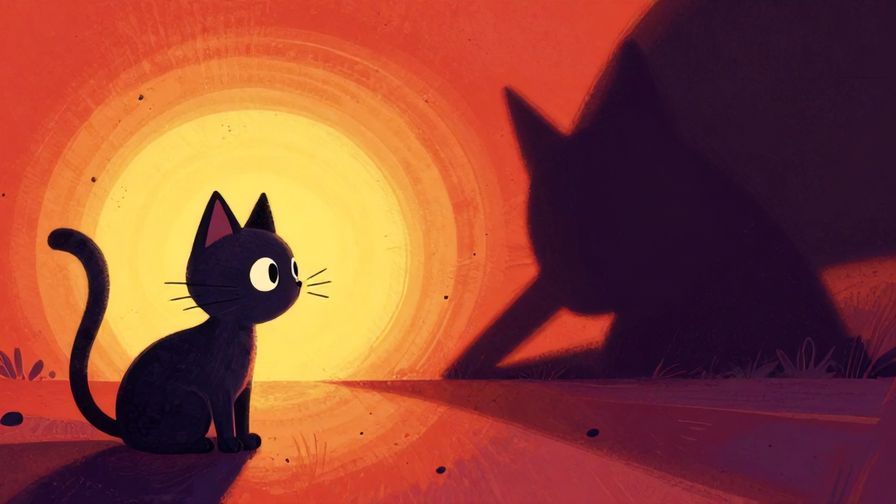
This is the most direct translation of “Curiosity killed the cat” in Japanese.
好奇心 (Koukishin, koh-kee-sheen) means “curiosity,” 猫 (neko, neh-koh) is “cat,” and 殺す (korosu, ko-roh-soo) means “to kill.”
It’s straightforward and easy to remember, perfect for starting out with this concept.
Using this phrase clearly warns someone they might get into trouble if they’re too nosy.
You’ll often hear it in casual conversations or when jokingly scolding a curious friend.
Keep this phrase handy to sound natural and friendly when talking about curiosity!
2. 知らぬが仏 (Shiranu ga hotoke) – “Not knowing is Buddha.”

This phrase means “Not knowing is bliss” or literally “Not knowing is Buddha.”
知らぬ (Shiranu, shee-rah-noo) means “not knowing,” が (ga, gah) is a subject marker, and 仏 (hotoke, hoh-toh-keh) means “Buddha.”
It suggests that sometimes it’s better not to know too much to stay peaceful and safe.
It’s a softer way to hint that curiosity might cause problems.
Great to use when you want to be polite but caution someone gently.
Use this to remind friends that sometimes ignorance really is bliss!
3. 余計なことをするな (Yokei na koto o suru na) – “Don’t do unnecessary things.”

This phrase literally tells someone not to meddle with things that don’t concern them.
余計な (Yokei na, yoh-kay nah) means “unnecessary,” こと (koto, koh-toh) means “thing,” and するな (suru na, soo-roo nah) is “don’t do.”
It captures the warning behind curiosity leading to trouble without mentioning cats.
Easy to remember and useful in everyday talk when warning friends or family.
You can use it in situations where curiosity might cause practical problems.
It’s a simple phrase to keep your conversations grounded and clear.
4. 猫に小判 (Neko ni koban) – “Gold coins to a cat.”
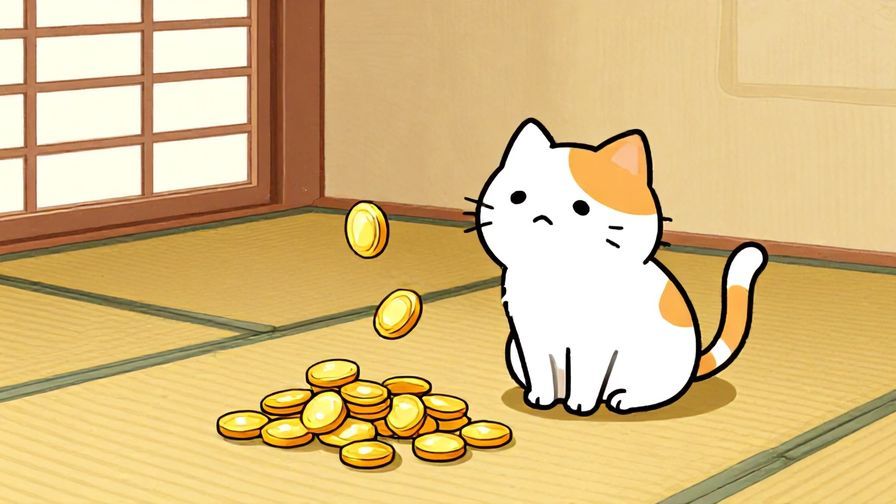
Literally “Gold coins to a cat,” this idiom means giving something valuable to someone who doesn’t understand its worth.
It’s often used to imply that curiosity or effort might be wasted or dangerous.
猫 (Neko, neh-koh) is “cat,” and 小判 (Koban, koh-bahn) are old gold coins.
This phrase is a fun way to warn someone that their curiosity might not benefit them.
It’s catchy and sticks in your memory because of the vivid image.
Try using it when you want to highlight the futility of unnecessary curiosity.
5. 知りたがり屋は損をする (Shiritagariya wa son o suru) – “The curious person suffers loss.”

This phrase describes how being too curious can lead to negative consequences.
知りたがり屋 (Shiritagariya, shee-ree-tah-gah-ree-yah) means “a curious person,” 損 (son, sohn) means “loss,” and する (suru, soo-roo) means “to do” or “to suffer.”
It’s a bit longer but great for explaining the cause and effect of curiosity.
Useful in conversations about caution and wisdom.
It’s a natural-sounding warning that feels more conversational than formal.
Perfect for friendly advice or gentle reminders.
6. 知らぬは仏 (Shiranu wa hotoke) – “Not knowing is Buddha.”

Similar to number 2 but a more concise version.
It emphasizes that ignorance can be a peaceful state, hinting curiosity might disturb that.
Easy to use in daily speech when you want to be philosophical yet clear.
Good for more thoughtful conversations about the effects of curiosity.
Try it when you want to sound wise and calm.
It’s a comforting reminder that sometimes, not knowing helps us stay safe.
7. 知らなくていいこともある (Shiranakute ii koto mo aru) – “There are things you don’t need to know.”

This phrase gently points out that some things are better left unknown.
知らなくていい (Shiranakute ii, shee-rah-nah-koo-teh ee) means “don’t need to know,” and こともある (koto mo aru, koh-toh moh ah-roo) means “there are also things.”
It’s polite and useful for everyday situations when advising caution.
Use it to subtly hint that curiosity could lead to trouble.
It’s a friendly way to set boundaries without sounding harsh.
Great for conversations with friends or colleagues.
8. 深く知りすぎるな (Fukaku shirisugiru na) – “Don’t know too deeply.”
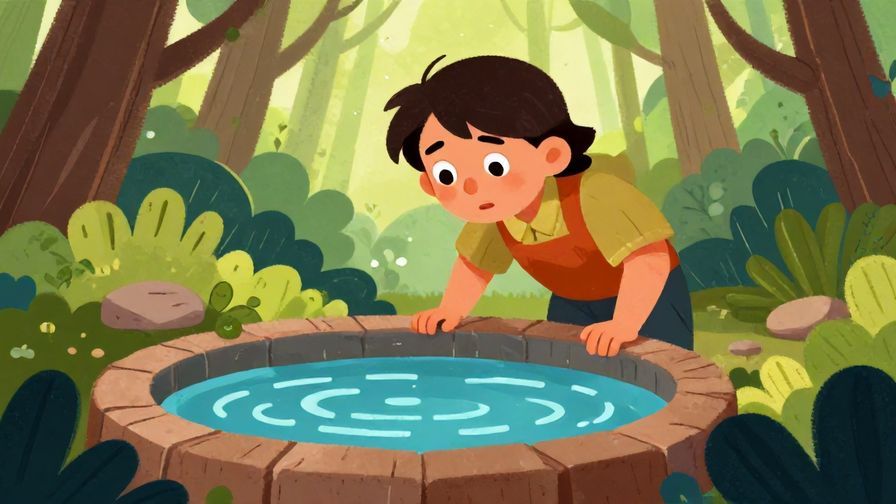
This phrase warns against digging too deeply into matters.
深く (Fukaku, foo-kah-koo) means “deeply,” 知りすぎる (shirisugiru, shee-ree-soo-gee-roo) means “know too much,” and な (na, nah) is a negative command.
It’s a straightforward caution about curiosity’s limits.
Useful in professional or serious contexts where curiosity may backfire.
Try it when you want to express concern without being confrontational.
It’s an easy phrase that carries a strong message.
Part 2: Polite & Formal Suggestions
9. 好奇心は時に危険を招く (Koukishin wa toki ni kiken o maneku) – “Curiosity sometimes invites danger.”

A polite and formal way to say that curiosity can lead to danger.
好奇心 (Koukishin, koh-kee-sheen) is “curiosity,” 時に (toki ni, toh-kee nee) means “sometimes,” 危険 (kiken, kee-ken) is “danger,” and 招く (maneku, mah-neh-koo) means “invite.”
This phrase is great for writing or formal conversation.
It’s clear, respectful, and carries a serious tone.
Use it in professional settings or when advising with care.
A perfect phrase for polite warnings about curiosity.
10. 調べすぎると問題になる (Shirabesugiru to mondai ni naru) – “Too much investigating causes problems.”

This formal phrase warns that digging too much can lead to trouble.
調べすぎる (Shirabesugiru, shee-rah-beh-soo-gee-roo) means “investigate too much,” 問題 (mondai, mohn-die) is “problem,” and なる (naru, nah-roo) means “become.”
It’s useful in business or academic contexts.
Use it to caution against excessive curiosity causing issues.
It sounds professional and balanced.
Great for formal advice or presentations.
11. 知りすぎるのは良くない (Shirisugiru no wa yokunai) – “Knowing too much isn’t good.”

A polite way to express that too much knowledge can be harmful.
知りすぎる (Shirisugiru, shee-ree-soo-gee-roo) means “know too much,” 良くない (yokunai, yoh-koo-nah-ee) means “not good.”
This phrase is simple but effective in formal or casual settings.
A great gentle warning without sounding too harsh.
Use it when you want to express concern delicately.
It fits well in conversations about limits and boundaries.
12. 注意しないと危ないですよ (Chūi shinai to abunai desu yo) – “If you’re not careful, it’s dangerous.”

This polite phrase reminds someone to be careful or face danger.
注意しないと (Chūi shinai to, choo-ee shee-nah-ee toh) means “if you don’t pay attention,” 危ない (abunai, ah-boo-nai) means “dangerous,” and ですよ (desu yo) adds a friendly emphasis.
It’s a great way to warn without sounding accusatory.
Use it in formal and informal conversations.
It’s very natural and polite.
Perfect for everyday cautionary advice.
13. 好奇心はほどほどに (Koukishin wa hodohodo ni) – “Curiosity in moderation.”

A polite and gentle way to say “Don’t be too curious.”
ほどほどに (Hodohodo ni, hoh-doh-hoh-doh nee) means “in moderation.”
This phrase encourages balance and self-restraint.
It’s perfect for soft warnings or friendly advice.
Use it when you want to be encouraging rather than critical.
A nice phrase to keep conversations positive and light.
14. 余計な詮索はやめましょう (Yokei na sensaku wa yamemashou) – “Let’s stop unnecessary prying.”

A very polite way to tell someone to stop snooping.
余計な (Yokei na, yoh-kay nah) means “unnecessary,” 詮索 (sensaku, sen-sah-koo) means “prying,” and やめましょう (yamemashou, yah-meh-mah-show) means “let’s stop.”
It’s formal and respectful, perfect for professional or delicate situations.
Use it when you want to maintain harmony but set a clear boundary.
This phrase sounds mature and thoughtful.
Great for handling sensitive topics politely.
15. 立ち入るな (Tachiiru na) – “Don’t intrude.”
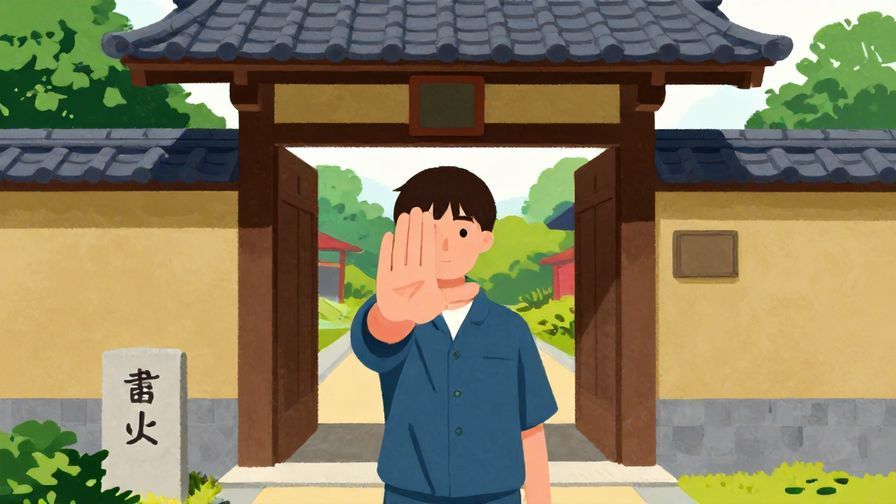
This is a strong but polite command meaning “Don’t intrude.”
立ち入る (Tachiiru, tah-chee-ee-roo) means “to enter or intrude,” and な (na, nah) is a negative command.
It’s useful when you need to warn someone firmly but not rudely.
Often used in official or serious situations.
Use it carefully to avoid sounding too harsh.
Great for setting clear boundaries clearly and respectfully.
16. 興味本位は危険です (Kyoumi hon’i wa kiken desu) – “Curiosity for interest’s sake is dangerous.”

This formal phrase warns that curiosity driven just by interest can be risky.
興味本位 (Kyoumi hon’i, kyoh-mee hon-ee) means “interest’s sake,” 危険 (kiken, kee-ken) means “danger,” and です (desu, dess) adds politeness.
Good for academic or professional warnings.
Use it when explaining risks in a sophisticated way.
It sounds serious but clear.
Perfect for lectures or written advice.
Part 3: Very Casual / Native-like Expressions
17. 猫は好奇心旺盛 (Neko wa koukishin ousei) – “Cats are full of curiosity.”
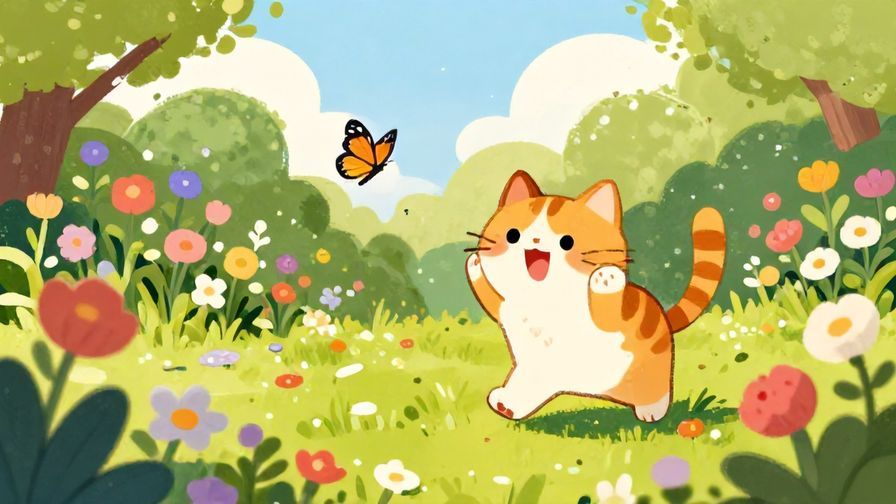
A lighthearted way to talk about curiosity using cats as a metaphor.
旺盛 (Ousei, oh-seh-ee) means “full of energy or enthusiasm.”
It’s casual and fun, perfect for friendly chats.
Use it when teasing friends or making jokes about curiosity.
It’s positive and shows understanding of natural curiosity.
A great phrase to keep conversations warm and relatable.
18. あまり詮索しないでね (Amari sensaku shinaide ne) – “Don’t pry too much, okay?”

A very casual and friendly way to ask someone not to pry.
あまり (Amari, ah-mah-ree) means “too much,” 詮索 (sensaku, sen-sah-koo) means “prying,” and しないでね (shinaide ne, shee-nah-ee-deh neh) is “please don’t.”
It’s easy to use in daily conversations with friends.
Soft and polite, it avoids sounding rude.
Great for playful situations when you want to keep things light.
Use this phrase often for casual boundaries.
19. 知りすぎるとヤバいよ (Shirisugiru to yabai yo) – “Knowing too much is bad, you know.”

This is a slangy, very casual way to warn about excessive curiosity.
ヤバい (Yabai, yah-bah-ee) means “bad” or “dangerous” in slang.
It’s commonly used among young people.
Perfect for informal chats or texting.
Use it when you want to sound trendy and relatable.
Just be mindful of context—it’s not for formal use.
20. おせっかいはよそう (Osekkai wa yosou) – “Let’s stop being meddlesome.”

A casual phrase meaning “stop being nosy” or “stop meddling.”
おせっかい (Osekkai, oh-sek-kai) means “meddlesome,” and よそう (Yosou, yoh-soh) means “let’s stop.”
It’s playful and friendly, great among close friends.
Use it to lighten the mood while setting boundaries.
It keeps things social and fun.
Perfect for everyday casual settings.
21. ほどほどにしなよ (Hodohodo ni shinayo) – “Take it easy with that.”

A very casual way to tell someone to hold back their curiosity.
ほどほどに (Hodohodo ni, hoh-doh-hoh-doh nee) means “in moderation,” しなよ (shinayo, shee-nah-yoh) is a casual command form.
It’s friendly and easy to use in everyday talk.
Perfect for keeping things light and encouraging balance.
Use this phrase often with friends or family.
It’s a great natural-sounding expression.
22. 興味津々だけど気をつけてね (Kyoumi shinsin dakedo ki o tsukete ne) – “Very curious, but be careful, okay?”

This phrase combines friendliness with caution.
興味津々 (Kyoumi shinsin, kyoh-mee shin-shin) means “very curious,” だけど (dakedo, dah-keh-doh) means “but,” 気をつけて (ki o tsukete, kee oh tsu-keh-teh) means “be careful,” and ね (ne, neh) adds softness.
It’s perfect for casual conversations where you want to show care.
Use it to encourage curiosity but remind caution.
It’s warm, relatable, and natural.
A perfect phrase to end your curious adventures with a smile.
Concluding Thought
Exploring these 22 Japanese ways to express “Curiosity killed the cat” shows how language reflects culture and values.
From direct warnings to gentle reminders, each phrase carries its own charm and wisdom.
Next time curiosity strikes, you’ll have plenty of Japanese expressions to share, keeping your conversations colorful and meaningful!