22 Japanese ways to say “Cross my heart and hope to die”
Swearing on your honor is something we all do in different ways, right? In English, “Cross my heart and hope to die” is one of those adorable, serious-but-silly phrases. But how do you say that in Japanese?
Japanese has a rich variety of expressions to promise or swear sincerely, often with a sprinkle of cultural nuance. Some are formal, some casual, and some even playful!
In this article, we’ll explore 22 Japanese ways to say “Cross my heart and hope to die” — from phrases you can use with close friends to expressions perfect for polite conversation.
Whether you want to sound more natural, understand Japanese media better, or just have fun with language, you’re in the right place.
Ready to swear on your honor like a true Japanese speaker? Let’s dive in!
And hey, if you want to build your Japanese skills alongside these phrases, check out a great phrasebook to keep handy.
Understanding Promises and Swears in Japanese
Before jumping into the phrases, it’s helpful to know how promises and sincerity are conveyed in Japanese culture through language.
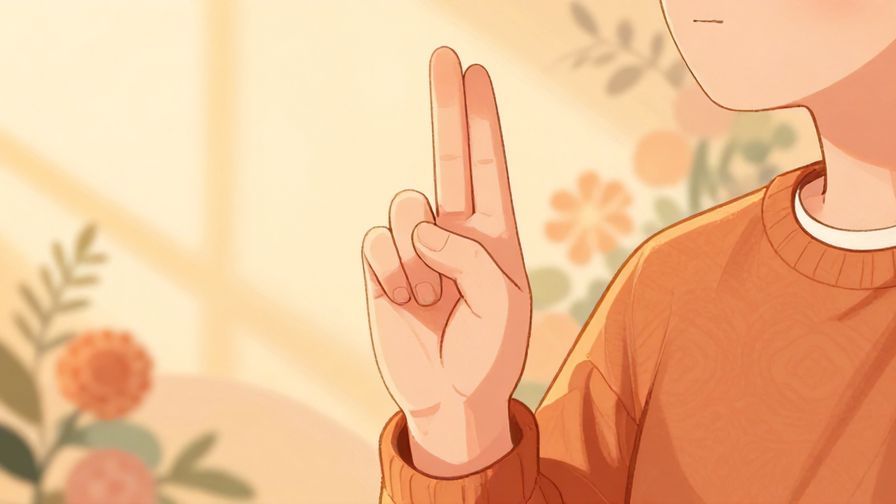
Japanese often uses words tied to “truth” (真実, shinjitsu), “promise” (約束, yakusoku), and gestures like crossing fingers or hands over the heart aren’t common but the language carries plenty of meaning.
Some expressions literally say “I swear” or “I promise,” while others use metaphors or casual slang that convey the same heartfelt commitment.
Using a reliable language learning book can really help you understand these nuances well.
Let’s start with casual, everyday ways to express this promise.
These will help you sound natural with friends or family.
Part 1: Casual Suggestions
1. 約束するよ (Yakusoku suru yo) – “I promise!”

This is one of the simplest and most direct ways to say “I promise” in Japanese.
約束 (やくそく, yakusoku) means “promise,” and する (する, suru) is “to do.” Adding よ (yo) adds emphasis and friendliness.
You can use it anytime you want to sincerely promise something to a friend or family member.
It’s a go-to phrase for beginners and sounds natural in everyday speech.
Related phrases might include 本当だよ (Hontou da yo) meaning “It’s true!” to reinforce honesty.
Try using this when you want to promise your friend you’ll show up or keep a secret!
2. 本気だよ (Honki da yo) – “I’m serious!”

This phrase literally means “I’m serious” or “I mean it.”
本気 (ほんき, honki) means “seriousness” or “earnestness,” and だよ (da yo) adds a friendly emphasis.
It’s casual but powerful for convincing someone you really mean what you say.
Perfect for close friends or when you want to sound extra sincere without being too formal.
Don’t confuse this with 本気じゃない (honki janai), which means “I’m not serious!” — the opposite!
Use it in conversations to assure someone you’re telling the truth.
3. 嘘じゃないよ (Uso janai yo) – “It’s not a lie!”

This phrase is a straightforward way to say “I’m not lying.”
嘘 (うそ, uso) means “lie,” and じゃない (janai) negates it. Adding よ (yo) adds friendly emphasis.
It’s useful when you want to swear something is true, similar to “Cross my heart.”
You can say this after making a promise or statement to reinforce honesty.
Be careful: 嘘 (uso) alone can be used jokingly to say “Just kidding!” so tone matters.
Try this phrase when you want to sound genuine and clear.
4. 本当だよ (Hontou da yo) – “It’s true!”

本当 (ほんとう, hontou) means “truth” or “reality.”
Adding だよ (da yo) makes it casual and friendly, like saying “Really!” or “I swear!”
This is great for convincing someone of your honesty.
It’s short, sweet, and very natural in everyday conversations.
If you want to sound even more emphatic, you can say 本当に (ほんとうに, hontou ni) meaning “truly” or “really.”
Use this phrase to strengthen your promise with a little extra punch.
5. 信じて (Shinjite) – “Believe me!”

信じて (しんじて, shinjite) is the imperative form of 信じる (しんじる, shinjiru), meaning “to believe.”
It’s like saying “Please believe me!” and is often used when you want someone to trust your word.
This phrase is casual but earnest, perfect for emotional moments.
Make sure to use a gentle tone to sound sincere rather than demanding.
It can be combined with other phrases like 嘘じゃないよ (uso janai yo) for extra honesty.
Great for personal promises or heartfelt confessions.
6. 本気で言ってるよ (Honki de itteru yo) – “I’m serious about this.”

This phrase combines 本気 (honki) “seriousness,” で (de), a particle, and 言ってる (itteru), the casual form of “saying.”
It’s a natural way to say “I really mean it” or “I’m serious about this.”
Great for situations where you want to emphasize your sincerity strongly.
Adding よ (yo) makes it friendly and conversational.
Try using it when you want to convince someone that you’re not joking or bluffing.
It’s a bit longer but very effective for heartfelt promises.
7. 約束だよ (Yakusoku da yo) – “It’s a promise.”

This phrase states “It’s a promise” simply and clearly.
約束 (やくそく, yakusoku) means “promise,” and だよ (da yo) adds casual emphasis.
It’s perfect for confirming a promise or sealing a verbal agreement.
You’ll hear this often among friends or family.
It sounds warm and reassuring, kind of like “You have my word.”
Use this phrase to make your promise feel official yet friendly.
8. 絶対だよ (Zettai da yo) – “Absolutely!” or “No doubt!”

絶対 (ぜったい, zettai) means “absolutely” or “definitely.”
Adding だよ (da yo) makes it casual and friendly.
This phrase expresses strong certainty, close to saying “Cross my heart!”
It’s often used when you want to promise something without fail.
Don’t confuse it with 絶対にダメ (zettai ni dame), which means “Absolutely no!”
Use this to give your promise extra weight and confidence.
Part 2: Polite & Formal Suggestions
9. お約束いたします (O-yakusoku itashimasu) – “I solemnly promise.”

This is a very polite and formal way to say “I promise.”
お (o) is an honorific prefix, 約束 (やくそく, yakusoku) means “promise,” and いたします (itashimasu) is a humble form of “to do.”
Perfect for business or serious contexts where respect is important.
It sounds sincere and very respectful, ideal for official promises.
Use this phrase to show professionalism and earnestness.
It’s less common in casual conversation but great for formal letters or speeches.
10. 必ず守ります (Kanarazu mamorimasu) – “I will definitely keep (my promise).”

必ず (かならず, kanarazu) means “without fail” or “definitely.”
守ります (まもります, mamorimasu) means “to protect” or “to keep (a promise).”
This phrase promises firm commitment in a polite way.
It’s perfect for assuring someone you won’t break your word.
Use it in formal conversations, like with teachers or clients.
It’s a powerful phrase that conveys reliability clearly.
11. 本当にお約束します (Hontou ni o-yakusoku shimasu) – “I truly promise.”

This phrase adds 本当に (ほんとうに, hontou ni) meaning “truly” for extra sincerity.
It’s polite and humble thanks to お (o) and します (shimasu).
Use this for heartfelt promises in formal or respectful situations.
It sounds very genuine and trustworthy.
Great when you want to be especially careful with your words.
Try it when promising something important in a polite setting.
12. 確約いたします (Kakuyaku itashimasu) – “I guarantee it.”

確約 (かくやく, kakuyaku) means “guarantee” or “firm promise.”
いたします (itashimasu) is a humble form of “to do.”
This is a very formal, strong way to promise something.
You’ll find it in contracts or official statements.
It’s best saved for serious commitments.
Use it when you want to sound absolutely trustworthy and professional.
13. 必ずお守りします (Kanarazu o-mamori shimasu) – “I will definitely protect/keep (my promise).”

Combines 必ず (kanarazu) “without fail” and お守り (おまもり, omamori) “protection” with します (shimasu).
It’s a formal but warm promise to keep something safe or honored.
Use it in formal conversations or written commitments.
It carries a subtle cultural meaning tied to protection and trust.
Perfect for promises involving care or responsibility.
This phrase sounds respectful and heartfelt.
14. 約束いたします (Yakusoku itashimasu) – “I humbly promise.”
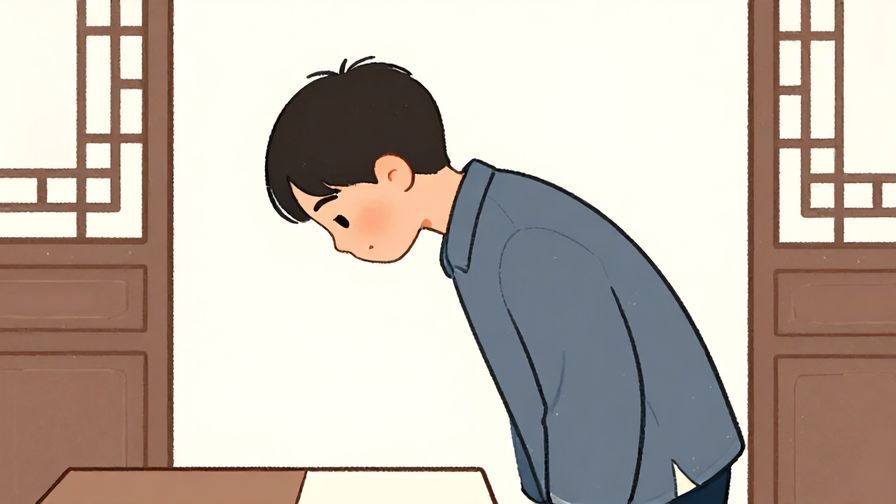
A humble and polite way to say “I promise.”
いたします (itashimasu) is the humble form of “to do,” adding respect.
Common in business or formal settings.
It shows you take the promise seriously and respectfully.
Use this when speaking to someone of higher status or in official contexts.
It’s a classic phrase for formal promises.
15. ご安心ください (Go anshin kudasai) – “Please rest assured.”

This phrase means “Please be at ease” or “Rest assured.”
ご (go) is an honorific prefix, 安心 (あんしん, anshin) means “peace of mind,” and ください (kudasai) is “please.”
It’s a polite way to promise that everything will be okay.
Often used in customer service or formal apologies.
It’s a nice expression to calm someone’s worries.
Use it when reassuring someone politely.
16. 必ずお約束します (Kanarazu o-yakusoku shimasu) – “I solemnly promise without fail.”

A formal phrase emphasizing the promise will definitely be kept.
Combines 必ず (kanarazu) “without fail” and お約束 (o-yakusoku) “promise.”
It’s respectful and serious, perfect for important commitments.
Use this to show you mean business in formal contexts.
It sounds trustworthy and professional.
Great for letters, speeches, or official conversations.
Part 3: Very Casual / Native-like Expressions
17. マジで (Maji de) – “Seriously!” or “For real!”

マジ (maji) means “serious” or “real,” and で (de) is a particle here to emphasize.
This slangy phrase means “Seriously!” or “No joke!”
It’s casual and commonly used among young people.
Great for informal promises or to stress truth.
Be careful using it in formal situations—it’s very casual.
Use it when chatting with friends to sound natural and lively.
18. 嘘でしょ? (Uso desho?) – “No way, right?” (used playfully)

Although it literally means “Is it a lie?”, this phrase can be used playfully to say “You’re kidding!” or “Cross my heart!”
嘘 (uso) is “lie,” and でしょ (desho) is a casual tag question.
It’s often used to express disbelief but can also confirm sincerity in a fun way.
Great for casual conversations and joking around.
Use with friends to keep things light and playful.
Don’t use it in serious promises.
19. 約束な! (Yakusoku na!) – “Promise, okay?”

This is a very casual, friendly way to say “Promise!”
約束 (やくそく, yakusoku) means “promise,” and な (na) adds a soft command or request.
It’s perfect for close friends or younger speakers.
Use it when you want to lightly but seriously ask for a promise.
Often paired with a pinky swear gesture.
It’s a fun, natural way to seal a casual promise.
20. マジで約束する! (Maji de yakusoku suru!) – “I seriously promise!”

This phrase combines casual slang マジで (maji de) with 約束する (yakusoku suru) “to promise.”
It means “I seriously promise!” or “No joke, I promise!”
Great for emphasizing sincerity in a very casual way.
Use it when you want to sound enthusiastic and genuine.
Common among younger speakers and friends.
A lively way to make a heartfelt promise.
21. マジで嘘じゃない! (Maji de uso janai!) – “I’m seriously not lying!”

This phrase adds emphasis with マジで (maji de) plus 嘘じゃない (uso janai) “not lying.”
It’s very casual and strong for insisting on honesty.
Perfect for convincing friends or peers.
Avoid in formal or professional situations.
It sounds very natural and emotional.
Use it when you want to be absolutely clear you’re telling the truth.
22. 本気だってば! (Honki datte ba!) – “I’m serious, I swear!”

This phrase emphasizes seriousness using 本気 (honki) plus だってば (datte ba), a casual emphatic ending.
It’s very expressive and native-like for stressing sincerity.
Great for informal, passionate promises.
Use it among friends or family for emotional moments.
It adds a bit of urgency and earnestness to your promise.
A fun, natural way to say “Cross my heart!” in everyday speech.
Concluding Thought
Learning these 22 different ways to say “Cross my heart and hope to die” in Japanese is like unlocking a new level of honesty and trust in your conversations.
From casual slang to polite promises, you now have a whole toolbox of expressions to fit any situation or mood.
So go ahead, make your promises with flair and confidence—Japanese style!