22 Japanese ways to say “Cheer up”
Sometimes life throws us curveballs, and a little encouragement can go a long way. Whether you want to brighten a friend’s day or lift your own spirits, knowing how to say “Cheer up” in Japanese is a handy tool.
Japanese offers a variety of ways to express encouragement, ranging from casual to polite, and even some native-like expressions that really hit home. It’s a fun journey to explore these phrases and find the perfect one for every situation.
From simple words to phrases packed with warmth, you’ll discover how to spread positivity in a way that feels natural and sincere.
Learning these expressions not only improves your Japanese but also deepens your cultural understanding. Plus, it’s a wonderful way to connect with others through empathy and kindness.
So, let’s dive in and explore 22 Japanese ways to say “Cheer up,” each with pronunciation tips and real-life usage.
By the end, you’ll have a fresh set of phrases ready to brighten anyone’s day!
Why Knowing Multiple Ways to Say “Cheer Up” Matters
Encouragement is universal, but how we express it can change depending on context and relationship. Japanese is no exception.
Using the right phrase can make your words feel more genuine and appropriate, whether you’re talking to a close friend or a colleague.
These nuances enrich your conversations and show respect and empathy in just the right measure.
If you’re serious about learning, a phrasebook focused on encouragement can help you practice these expressions in context and build confidence.
Plus, hearing these phrases spoken by natives or in media helps you get the tone and rhythm just right.
Remember, the best encouragement is heartfelt, so feel free to adapt these phrases to suit your style and relationship.
Part 1: Casual Suggestions
1. 元気出して! (Genki dashite!) – “Cheer up!”
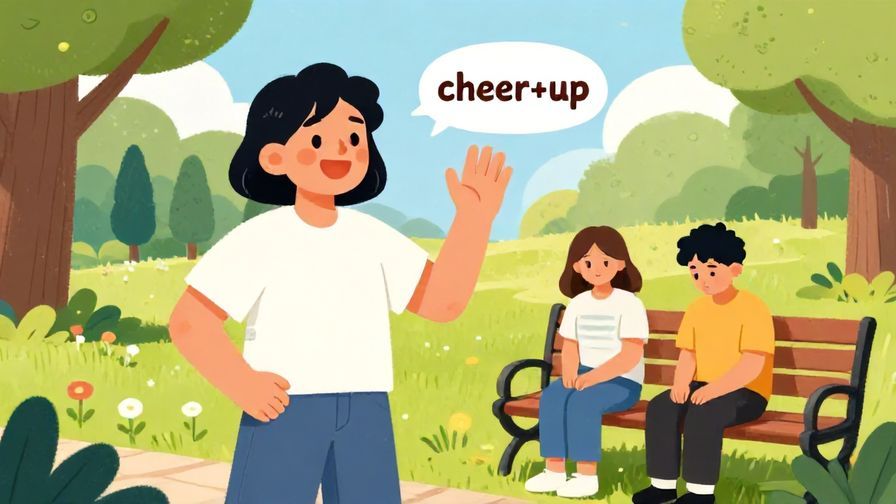
This is the most straightforward and friendly way to say “cheer up” in casual Japanese.
元気 (genki) means “energy” or “health,” and 出して (dashite) is the imperative form of 出す (dasu), meaning “to put out” or “to bring out.” So it literally means “bring out your energy!”
It’s perfect for friends or people you’re close to and want to encourage with warmth.
Use it when someone looks down or tired and you want to lift their spirits quickly.
A related phrase is 元気出してね (genki dashite ne), which softens it with a gentle “please.”
Keep this phrase handy for quick and heartfelt encouragement anytime!
2. がんばって! (Ganbatte!) – “Do your best!” / “Cheer up!”

がんばって (ganbatte) is one of the most common words for encouragement in Japanese.
It comes from the verb 頑張る (ganbaru), meaning “to persist” or “to do one’s best.” It’s like saying “Hang in there!” or “Keep going!”
You’ll hear it a lot in everyday situations like before exams, sports, or tough days.
It’s casual but very supportive and motivational.
Be careful not to overuse it if someone is really upset—it’s best for moments when extra motivation is needed.
Try pairing it with a smile or a pat on the shoulder for natural encouragement!
3. 大丈夫だよ (Daijoubu da yo) – “It’s okay!”
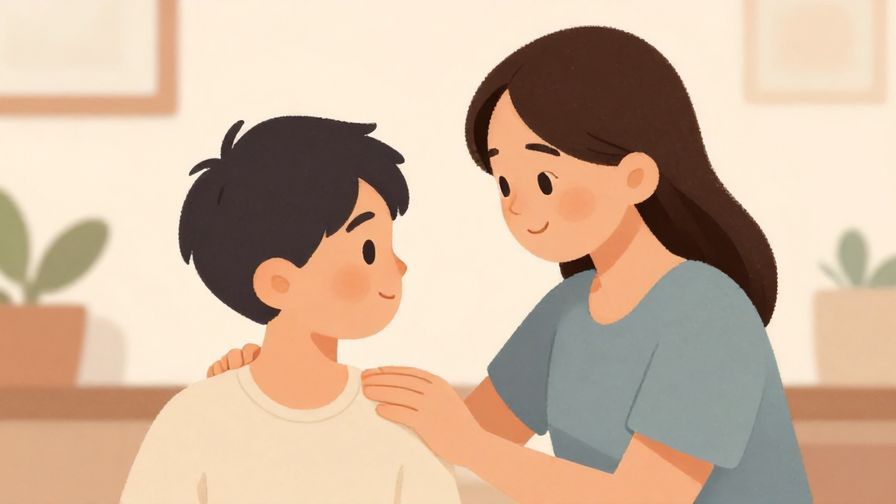
Sometimes, cheering up is about reassuring someone that things will be okay.
大丈夫 (daijoubu) means “okay” or “all right,” and adding だよ (da yo) adds a friendly, reassuring tone.
This phrase is great when someone feels anxious or worried and needs comfort.
It’s casual and can be used with friends or family.
Another way to say this more formally is 大丈夫です (daijoubu desu), but save that for polite situations.
Remember, tone matters—say it softly and warmly for the best effect.
4. 気にしないで (Ki ni shinaide) – “Don’t worry about it.”

This phrase literally means “Don’t pay attention to it” or “Don’t mind it.”
It’s perfect when someone is upset about a mistake or minor problem.
気にする (ki ni suru) means “to worry,” and しないで (shinaide) is the negative command form “don’t do.”
Use this to gently tell someone it’s not a big deal and to relax.
A common mistake is to use it too bluntly—soften it with a smile or gentle tone for kindness.
Example: “気にしないで、大丈夫!” (Ki ni shinaide, daijoubu!) – “Don’t worry, it’s okay!”
5. 元気出してね (Genki dashite ne) – “Please cheer up!”
This is a softer version of 元気出して, adding ね (ne) to make it more like “please” or a gentle request.
It’s casual but slightly more tender and caring.
Perfect for friends or family who need a little extra warmth.
Adding ね makes it less like an order and more like sincere encouragement.
Try saying it with a smile and eye contact for more impact.
It’s a great phrase to use daily when you want to gently lift someone’s mood.
6. もっと頑張ろう! (Motto ganbarou!) – “Let’s try harder!”

This phrase literally means “Let’s do our best more!”
もっと (motto) means “more,” and 頑張ろう (ganbarou) is the volitional form of 頑張る (ganbaru), meaning “let’s do our best.”
It’s casual and inclusive, great for encouraging a friend or teammate.
It’s motivational but also shows you’re in it together.
Use it when you want to boost morale and inspire action.
Perfect for sports, study groups, or work projects.
7. 笑って! (Waratte!) – “Smile!” / “Laugh!”
Sometimes the best cheer up is simply encouraging someone to smile or laugh.
笑って (waratte) is the imperative form of 笑う (warau), meaning “to laugh” or “to smile.”
It’s lighthearted and can instantly lift the mood.
Use it with friends or children for a fun and warm effect.
Be mindful that it’s not always appropriate if someone is deeply upset.
But in many casual situations, it works wonders to brighten the moment.
8. 元気出しておくれ (Genki dashite okure) – “Cheer up, please.” (Old-fashioned/cute)

This phrase is a bit old-fashioned and cute, mainly used by older speakers or in nostalgic contexts.
おくれ (okure) is a softer, almost pleading form of ください (kudasai), meaning “please.”
It adds a tender and endearing vibe to 元気出して.
Use it when you want to sound extra caring or playful.
It’s not common in everyday modern speech but fun to know.
Great for adding flavor to your Japanese or in creative writing.
Part 2: Polite & Formal Suggestions
9. 元気を出してください (Genki o dashite kudasai) – “Please cheer up.”

Here’s a respectful and polite way to encourage someone.
Adding を (o) marks 元気 as the object, and ください (kudasai) makes it a polite request.
This phrase works well in workplace or formal social settings.
It’s encouraging without being too casual or over-familiar.
Using polite language shows respect while still expressing warmth.
Try this phrase when you want to brighten someone’s day professionally.
10. お元気を出してくださいね (O-genki o dashite kudasai ne) – “Please do cheer up, okay?”
This adds the honorific prefix お (o) to 元気 for extra politeness and respect.
The ね (ne) softens the phrase to sound more gentle and caring.
Perfect for formal situations where you want to be both respectful and heartfelt.
It’s a great phrase to use with acquaintances, elders, or anyone you want to encourage politely.
Avoid using this with very close friends to keep tone appropriate.
It’s a smooth way to express kindness in professional or social environments.
11. 元気を出されてはいかがですか (Genki o dasarete wa ikaga desu ka) – “How about cheering up?”

This is a very formal and polite suggestion.
出されて (dasarete) is the respectful passive form, and いかがですか (ikaga desu ka) means “how about?”
It’s often used by doctors, counselors, or in formal advice.
It sounds considerate and less direct—a polite way to suggest cheering up.
Best used in professional or serious contexts.
It shows empathy and tact while encouraging positivity.
12. どうか元気を出してください (Douka genki o dashite kudasai) – “Please, somehow cheer up.”
Adding どうか (douka) emphasizes the plea or hope behind the encouragement.
This phrase is very polite and emotionally sincere.
Use it when you want to show deep care and gently ask for someone to feel better.
It’s often used in writing or formal speech.
Avoid overusing it casually to keep its sincerity.
Perfect for heartfelt support in serious situations.
13. 早く元気になってください (Hayaku genki ni natte kudasai) – “Please get well soon.”
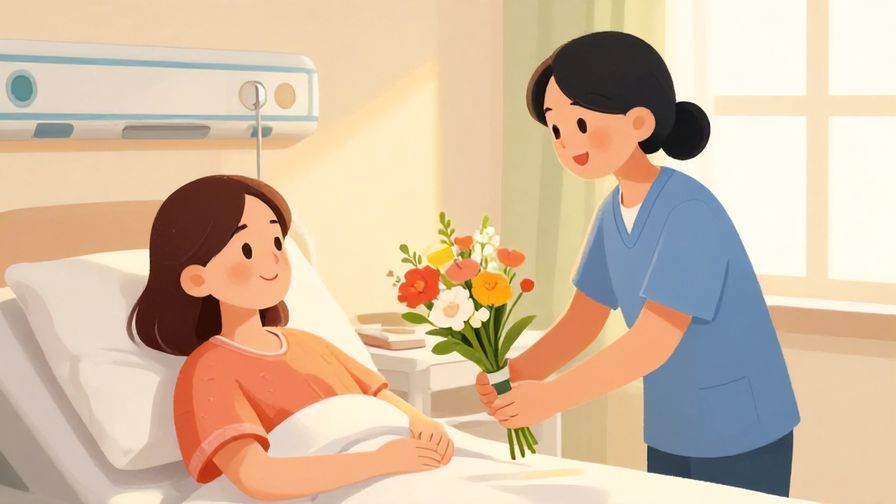
This phrase is used to cheer someone recovering from illness or hard times.
早く (hayaku) means “quickly,” and 元気になる (genki ni naru) means “to become well/energetic.”
Adding ください (kudasai) makes it polite.
It’s a comforting and hopeful phrase for those needing encouragement to recover.
Use it in formal or casual contexts depending on tone.
Perfect to show you care about someone’s health and spirit.
14. ご無理なさらないでください (Gomuri nasaranaide kudasai) – “Please don’t overdo it.”
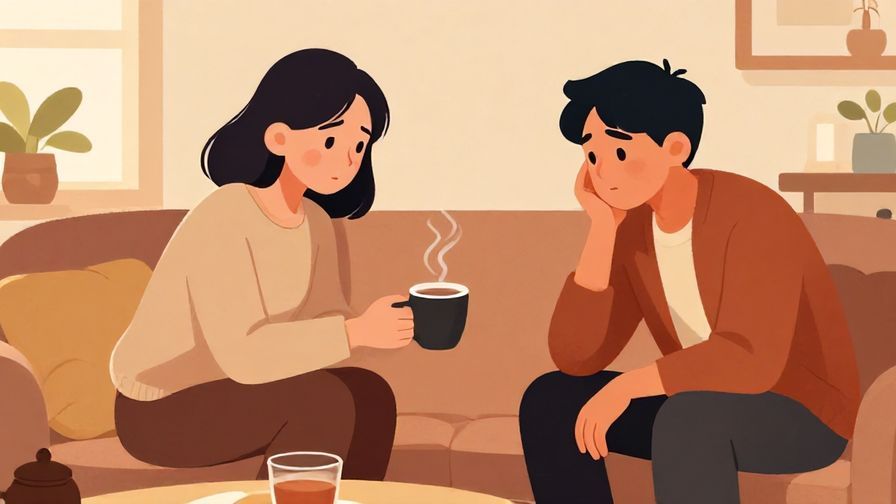
Sometimes cheering up means encouraging rest and caution.
ご無理 (gomuri) means “overdoing” or “overexerting,” and なさらないでください (nasaranaide kudasai) is the polite negative request form of する (to do).
Use this phrase to gently tell someone to take care of themselves.
It’s respectful and caring, perfect for formal or medical contexts.
It helps show empathy by acknowledging their effort while urging balance.
Great for encouraging a friend or colleague not to push too hard.
15. お元気でいてくださいね (O-genki de ite kudasai ne) – “Please stay well, okay?”
This phrase is a polite way to wish someone continued good health and spirit.
お元気 (o-genki) is the honorific form of 元気, and でいてください (de ite kudasai) means “please stay.”
Adding ね (ne) softens it warmly.
It works well when parting or sending good wishes.
Use it to show care in polite situations with friends or colleagues.
A lovely phrase for lasting encouragement and kindness.
16. 前向きに行きましょう (Maemuki ni ikimashou) – “Let’s move forward positively.”

This is a polite, slightly formal way to encourage positive thinking.
前向き (maemuki) means “forward-looking” or “positive,” and 行きましょう (ikimashou) is “let’s go.”
It’s great for motivating a group or colleague to keep a positive outlook.
Use it in professional or social settings where encouragement and teamwork are key.
It combines hope with action, inspiring a proactive mindset.
Try this when you want to cheer someone toward progress and optimism.
Part 3: Very Casual / Native-like Expressions
17. ファイト! (Faito!) – “Fight!” / “You got this!”

Borrowed from English, ファイト (faito) is a casual and energetic cheer.
It means “fight” but is used like “Go for it!” or “You got this!”
Very popular among young people and in sports contexts.
It’s informal but full of spirit and motivation.
Perfect for friends or teammates before challenges or competitions.
Use it with enthusiasm and a big smile for maximum effect!
18. もう元気? (Mou genki?) – “Feeling better now?”

This casual phrase checks in on someone’s mood or health.
もう (mou) means “already,” and 元気 (genki) means “well” or “energetic.”
It’s a friendly, informal way to encourage or cheer someone up by showing care.
Great for close friends or family after a tough time.
It’s less about telling someone to cheer up and more about gently prompting positivity.
Use it to naturally start a supportive conversation.
19. 気持ちを切り替えて! (Kimochi o kirikaete!) – “Change your mood!”

This phrase encourages someone to switch their mindset or mood.
気持ち (kimochi) means “feeling” or “mood,” and 切り替える (kirikaeru) means “to switch” or “to change.”
It’s casual and direct, often used among friends.
Good for moments when someone needs a mental reset.
Try it with a friendly tone to avoid sounding harsh.
It’s a useful phrase for encouraging a fresh start emotionally.
20. それでも頑張って! (Soredemo ganbatte!) – “Even so, do your best!”

それでも (soredemo) means “even so” or “nevertheless.”
This phrase encourages persistence despite difficulties.
It’s casual and emotionally strong, perfect for cheering someone who’s struggling.
Use it to validate challenges but still motivate.
It shows empathy mixed with encouragement.
Great for friends facing tough situations who need a pep talk.
21. 落ち込むなよ! (Ochikomu na yo!) – “Don’t get down!”
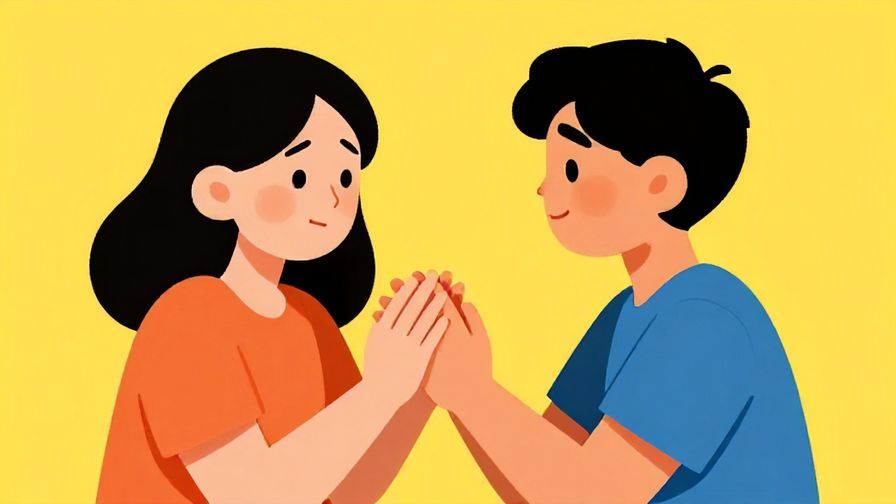
落ち込む (ochikomu) means “to be depressed” or “to feel down.”
Adding なよ (na yo) is a casual way to say “don’t.”
This phrase is casual and direct, often used by close friends.
It’s a strong encouragement to snap out of sadness.
Use it only with people who know you well to avoid sounding rude.
It’s like saying “Cheer up!” in a tough-love friendly way.
22. 気合いだ! (Kiai da!) – “It’s all about spirit!”

気合い (kiai) means “fighting spirit” or “energy.”
だ (da) is the casual copula “is.”
This phrase pumps someone up by focusing on inner strength and spirit.
It’s very casual and often heard in sports or martial arts settings.
Use it to fire up a friend or yourself before a challenge.
It’s a powerful and iconic cheer for boosting morale!
Concluding Thought
Learning how to say “Cheer up” in Japanese opens doors to deeper connections and shows genuine care in many different situations.
Whether casual, polite, or native-like, each phrase carries its own warmth and nuance that can brighten someone’s day.
So next time a friend feels down, try one of these expressions—you’ll be spreading smiles and positive vibes in true Japanese style!