22 Japanese ways to say “Carpe diem”
“Carpe diem”—the timeless call to seize the day. It’s the perfect reminder to live fully and embrace every moment.
But how do you say that in Japanese? It’s not just one phrase; Japanese offers a beautiful variety of expressions that capture this spirit.
From poetic to casual, formal to native-like, these phrases bring a fresh perspective on making the most of life.
Whether you’re learning Japanese or just love the culture, exploring these 22 ways can inspire you to live more intentionally.
Plus, learning these expressions can deepen your appreciation for the language and its subtle nuances.
Ready to dive in? Let’s explore these warm, relatable expressions that encourage you to seize the day, Japanese style.
Getting Started with Seizing the Day in Japanese
Japanese culture often emphasizes mindfulness and being present, which makes finding the right “carpe diem” phrase fun and insightful.
Many expressions revolve around the ideas of “now,” “today,” or “doing your best,” reflecting a deep respect for the moment.
These phrases show how language shapes mindset—sometimes gently, sometimes boldly.
Sometimes, using a great beginner phrasebook can give you a perfect starting point for a cohesive understanding.
Let’s explore simple ways to say “seize the day” that anyone can start using right away.
These expressions will add warmth and cultural richness to your daily Japanese conversations.
Part 1: Casual Suggestions
1. 今を生きる (Ima o ikiru) – “Live in the now.”

This phrase is a direct call to live in the present moment.
“今 (Ima)” means “now,” “を (o)” is the object particle, and “生きる (ikiru)” means “to live.” Together, it emphasizes embracing the present.
It’s easy to remember because “ima” is often used in daily conversation to talk about the current time.
Think of it as a gentle nudge to stop worrying about the past or future and focus on today.
You can also hear “今を大切に (Ima o taisetsu ni),” meaning “Cherish the now.”
Try repeating it to yourself whenever you feel distracted—it’s a warm, mindful reminder.
2. 一期一会 (Ichi-go ichi-e) – “One time, one meeting.”
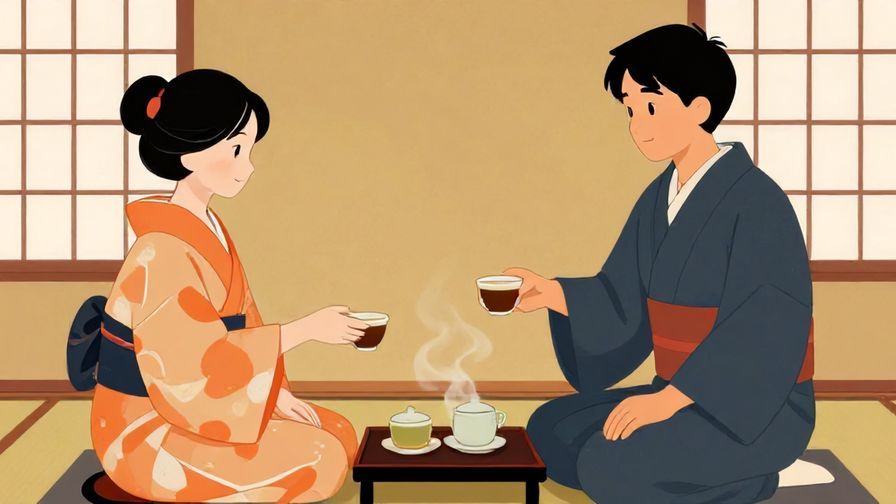
This beautiful phrase comes from tea ceremony culture, meaning every encounter is unique and precious.
“一期 (Ichigo)” means “one lifetime,” and “一会 (ichie)” means “one meeting.” It reminds us to value each moment like it will never come again.
It’s a poetic way to say “carpe diem” focused on human connection.
People often use it to appreciate meetings or experiences, especially special ones.
Try reflecting on this phrase to deepen your appreciation for everyday moments.
It’s a lovely, culturally rich way to embrace life’s fleeting beauty.
3. 今日を楽しもう (Kyou o tanoshimou) – “Let’s enjoy today.”

This casual phrase is a cheerful invitation to enjoy the present day.
“今日 (Kyou)” means “today,” “を (o)” marks the object, and “楽しもう (tanoshimou)” is the volitional form of “to enjoy,” meaning “let’s enjoy.”
It’s friendly and easy to use with friends or yourself as a positive reminder.
Perfect for starting the day with a smile and intention.
You might hear it before a trip or event to pump up the mood.
Using this phrase daily can help you build a joyful mindset.
4. 今しかない (Ima shika nai) – “There’s only now.”

This phrase carries a sense of urgency to seize the moment.
“今 (Ima)” is “now,” “しか (shika)” means “only,” and “ない (nai)” means “not exist,” so it literally means “There is nothing but now.”
It’s great for moments when you want to push yourself to take action.
It reminds you that waiting might mean missing out.
Use it when you want to motivate yourself or others to act immediately.
It’s a practical phrase that captures the essence of “carpe diem.”
5. 後悔しないで (Koukai shinai de) – “Don’t regret.”

This phrase encourages living without regrets, which is a big part of seizing the day.
“後悔 (Koukai)” means “regret,” “しないで (shinaide)” means “don’t do.”
It’s a short but powerful reminder to act boldly and accept your choices.
Using it can help reduce hesitation and fear.
It’s often said to friends who feel stuck or indecisive.
Try adopting this mindset to live more freely and fully.
6. 今を大切に (Ima o taisetsu ni) – “Cherish the now.”

This phrase is a warm encouragement to value the present moment deeply.
“今 (Ima)” is “now,” “を (o)” marks the object, and “大切に (taisetsu ni)” means “preciously” or “cherish.”
It’s commonly used in conversations about mindfulness.
It reminds you to slow down and appreciate what you have right now.
You can say it to yourself or others as a caring reminder.
It’s a gentle way to practice “carpe diem” without pressure.
7. 今日一日を全力で (Kyou ichinichi o zenryoku de) – “Give today your all.”

This phrase is a motivating call to put your full effort into today.
“今日一日 (Kyou ichinichi)” means “today, the whole day,” “を (o)” marks the object, and “全力で (zenryoku de)” means “with all your strength.”
It’s great for inspiring focus and dedication.
Often used by coaches or friends encouraging each other.
It helps break down “carpe diem” into actionable energy.
Try saying this before starting a big task or challenge.
8. 今を楽しむ (Ima o tanoshimu) – “Enjoy the now.”

This phrase focuses on finding joy in the present moment.
“今 (Ima)” means “now,” “を (o)” marks the object, and “楽しむ (tanoshimu)” means “to enjoy.”
It’s casual and perfect for everyday use.
Use it when you want to remind yourself or friends to appreciate simple pleasures.
It’s a great phrase to practice gratitude and presence.
Enjoying the moment is a key part of seizing the day.
Part 2: Polite & Formal Suggestions
9. 時を逃さないでください (Toki o nogasanaide kudasai) – “Please don’t miss the moment.”

This polite phrase is perfect for formal situations or advice.
“時 (Toki)” means “time,” “を (o)” marks the object, “逃さないで (nogasanaide)” means “don’t miss,” and “ください (kudasai)” adds politeness.
You can use it to gently encourage someone to take action.
It’s a respectful way to share the “carpe diem” message.
Common in speeches or written advice.
It’s a great phrase if you want to sound considerate and encouraging.
10. 今日を大切に過ごしてください (Kyou o taisetsu ni sugoshite kudasai) – “Please spend today carefully/preciously.”
This is a formal and warm way to wish someone a meaningful day.
“今日 (Kyou)” means “today,” “を (o)” marks the object, “大切に (taisetsu ni)” means “preciously,” “過ごしてください (sugoshite kudasai)” means “please spend.”
It’s often used in letters or polite conversation.
It encourages mindfulness with a soft tone.
Use it when you want to share a caring message.
It’s a beautifully respectful way to say “carpe diem.”
11. 今を大事にしてください (Ima o daiji ni shite kudasai) – “Please value the now.”

This polite phrase gently reminds someone to treasure the present.
“今 (Ima)” is “now,” “を (o)” marks the object, “大事に (daiji ni)” means “important” or “value,” and “してください (shite kudasai)” means “please do.”
It’s a calm and thoughtful expression.
Use it for heartfelt advice or encouragement.
It fits well in both spoken and written messages.
A nice way to combine respect with mindfulness.
12. 今日を一生懸命に生きてください (Kyou o isshoukenmei ni ikite kudasai) – “Please live today with all your effort.”

This phrase is a polite encouragement to dedicate oneself fully to today.
“今日 (Kyou)” means “today,” “を (o)” marks the object, “一生懸命に (isshoukenmei ni)” means “with all one’s effort,” “生きてください (ikite kudasai)” means “please live.”
It’s motivational, ideal for polite advice or speeches.
It encourages focus and commitment with respect.
Perfect for teachers, mentors, or leaders.
It’s a formal but heartfelt way to say “carpe diem.”
13. この瞬間を大切にしてください (Kono shunkan o taisetsu ni shite kudasai) – “Please cherish this moment.”

This phrase highlights cherishing a specific moment with politeness.
“この (Kono)” means “this,” “瞬間 (shunkan)” means “moment,” “を (o)” marks the object, “大切にしてください (taisetsu ni shite kudasai)” means “please cherish.”
It’s intimate and thoughtful.
Great for special occasions or meaningful conversations.
It reminds us how fleeting and valuable moments are.
Try it to add emotional depth to your words.
14. 時間を無駄にしないでください (Jikan o muda ni shinaide kudasai) – “Please don’t waste time.”

This phrase is a polite but firm reminder about the value of time.
“時間 (Jikan)” means “time,” “を (o)” marks the object, “無駄にしないでください (muda ni shinaide kudasai)” means “please don’t waste.”
It’s useful in professional or serious contexts.
It politely encourages efficient and mindful use of time.
A great phrase when discussing productivity or priorities.
It’s a practical expression of “carpe diem.”
15. 一日一日を大切にしてください (Ichinichi ichinichi o taisetsu ni shite kudasai) – “Please cherish each and every day.”

This phrase emphasizes valuing every single day.
“一日一日 (Ichinichi ichinichi)” means “day by day,” “を (o)” marks the object, “大切にしてください” means “please cherish.”
It encourages steady mindfulness over time.
Perfect for formal well-wishes or advice.
It gently reminds us that every day counts.
Use it to inspire a consistent “carpe diem” attitude.
16. 今という瞬間を大切にしてください (Ima to iu shunkan o taisetsu ni shite kudasai) – “Please cherish the moment called now.”

This phrase poetically highlights the uniqueness of “now.”
“今という (Ima to iu)” means “called now,” “瞬間 (shunkan)” means “moment,” “を (o)” marks the object, “大切にしてください” means “please cherish.”
It’s a thoughtful, formal way to express mindfulness.
Use it in meaningful discussions or writing.
It reminds the listener of the preciousness of the present.
A beautiful way to spread “carpe diem” respect.
Part 3: Very Casual / Native-like Expressions
17. 今やっちゃおう (Ima yacchaou) – “Let’s just do it now.”

This is a lively, casual phrase that pushes for action.
“今 (Ima)” means “now,” and “やっちゃおう (yacchaou)” is a casual way to say “let’s do it.”
It’s great for friends or informal settings.
Perfect to break procrastination with energy.
Similar to “Let’s seize the day!” in a playful tone.
Try it to add spark to your daily conversations.
18. とりあえず今を楽しもう (Toriaezu ima o tanoshimou) – “For now, let’s enjoy the moment.”

This phrase casually focuses on enjoying what’s in front of you.
“とりあえず (Toriaezu)” means “for now,” “今を (ima o)” means “the now,” and “楽しもう (tanoshimou)” means “let’s enjoy.”
It’s relaxed and great for spontaneous fun.
Use it when plans are loose and you want to savor the moment.
It’s a native-like way to keep things light and joyful.
Perfect for living “carpe diem” without overthinking.
19. 今しかねぇ (Ima shika nee) – “There’s no time but now.”

This very casual and masculine phrase emphasizes urgency.
“今 (Ima)” is “now,” “しか (shika)” means “only,” and “ねぇ (nee)” is a rough casual negative ending, meaning “there isn’t.”
It’s often used among close friends or in informal settings.
It’s a tough, no-nonsense way to say “seize the day.”
Use it when you want to sound assertive and straightforward.
It’s a native-like expression packed with energy.
20. 今日を全力で生きろ (Kyou o zenryoku de ikiro) – “Live today with full power.”

This is a strong, informal command to give your best today.
“今日 (Kyou)” means “today,” “を (o)” marks the object, “全力で (zenryoku de)” means “with full power,” and “生きろ (ikiro)” is the imperative form of “to live.”
It’s a motivational phrase often used in sports or among close peers.
It’s a powerful way to say “carpe diem” with a punch.
Use it to pump yourself or others up.
It’s native-like and full of vigor.
21. 今を逃すなよ (Ima o nogasu na yo) – “Don’t miss the now.”
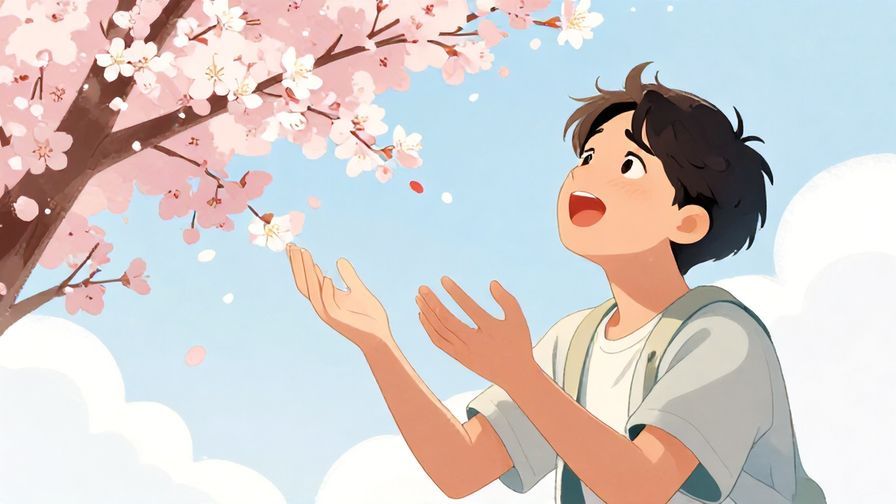
This casual phrase combines urgency with friendly emphasis.
“今 (Ima)” means “now,” “を (o)” marks the object, “逃すな (nogasu na)” means “don’t miss,” and “よ (yo)” adds emphasis.
It’s common among friends or in informal advice.
It’s a native-like way to say “carpe diem” with a bit of attitude.
Use it to encourage action without being too formal.
It fits well in energetic conversations.
22. 今を楽しんじゃえ (Ima o tanoshinjae) – “Just enjoy the now!”

This is a very casual, upbeat way to say “enjoy the now.”
“今 (Ima)” means “now,” “を (o)” marks the object, and “楽しんじゃえ (tanoshinjae)” is a slangy, playful form meaning “just enjoy.”
It’s perfect for casual chats with friends or self-encouragement.
It’s lively and native-like, full of youthful spirit.
Great for reminding yourself to have fun without stress.
It’s a joyful, spontaneous expression of “carpe diem.”
Concluding Thought
Exploring these 22 Japanese ways to say “Carpe diem” shows how beautifully the language captures the spirit of living fully.
From gentle reminders to bold commands, each phrase offers a unique way to embrace the present moment.
So why not pick your favorite and start living your days with a little more intention and joy? After all, the best time to seize the day is now!