22 Japanese ways to say “Basically”
Ever found yourself wanting to say “basically” in Japanese but not sure which word to pick? You’re definitely not alone. Japanese has so many ways to express this simple idea, depending on context and tone.
From casual chats with friends to more formal settings, having a handful of go-to phrases can really boost your confidence and fluency. Plus, it’s a fun way to sound more natural!
In this list, we’ll take you through 22 warm, relatable ways to say “basically” in Japanese. Each comes with pronunciation guides and easy explanations, so you’ll feel ready to use them right away.
Whether you’re learning for travel, work, or just love the language, these expressions will add color and authenticity to your conversations.
Keep this list handy as your next study buddy or conversation starter. You’ll be surprised how often “basically” pops up in daily talk.
Ready to dive in? Let’s explore the richness of “basically” in Japanese, one phrase at a time.
Understanding “Basically” in Japanese
“Basically” can mean “essentially,” “fundamentally,” or “in short.” Japanese captures these nuances with different words and phrases.
Most of these expressions help you clarify or summarize something, just like in English. The key is matching the phrase to the tone—casual, polite, formal—and the situation.
Some phrases are perfect for everyday talk, others for writing or presentations.
For a solid start, you might find a basic grammar guide helpful to see how these fit into sentence structures.
Next, practice by listening for these phrases in conversations or dramas—it really helps solidify your understanding.
Once you get the hang of the common ones, mixing in a few fancy options will make you sound like a pro.
Part 1: Casual Suggestions
1. 基本的に (Kihonteki ni) – “Basically” / “Fundamentally”

Let’s start with the classic one: 基本的に (Kihonteki ni, key-hon-teh-kee nee).
This phrase breaks down into 基本 (kihon) meaning “basic” or “foundation,” and 的に (teki ni), a suffix that turns it into an adverb like “-ly.” It’s a straightforward way to say “basically” in many situations.
Use it when you want to summarize or give the main idea clearly.
It’s polite enough for conversations but casual enough for daily use.
For example, you might say: 基本的に、この仕事は楽しいです (Kihonteki ni, kono shigoto wa tanoshii desu) – “Basically, this job is fun.”
Give this one a try; it’s a trusty phrase that will appear often in your studies and conversations.
2. 要するに (Yōsuruni) – “In short” / “Basically”
要するに (Yōsuruni, yoh-soo-roo-nee) is perfect when you want to boil down a complex explanation to its core.
It literally means “to put it briefly” or “in short,” and works great in casual or semi-formal contexts.
Try practicing it by summarizing your day or a story you heard.
It’s often used at the start of a sentence to flag a summary, like: 要するに、彼は遅刻しました (Yōsuruni, kare wa chikoku shimashita) – “Basically, he was late.”
Just be careful not to overuse it in super formal writing.
It’s an excellent phrase to sound natural and concise.
3. だいたい (Daitai) – “Roughly” / “Basically”

だいたい (Daitai, die-tie) means “roughly” or “approximately,” but it’s often used to mean “basically” when you want to generalize.
It’s casual and very common in spoken Japanese.
Use it when you’re not giving an exact detail but want to explain the main idea.
Example: だいたい同じです (Daitai onaji desu) – “They’re basically the same.”
It’s great for everyday conversations when you want to keep things light and unpretentious.
Try using it when estimating or summarizing.
4. 要は (Yō wa) – “The point is” / “Basically”
要は (Yō wa, yoh wah) literally means “the point is” and is great for emphasizing the main takeaway.
This phrase is casual but can work in semi-formal talks too.
It helps shift the listener’s attention to the crux of what you’re saying.
Try it in sentences like: 要は、時間がないです (Yō wa, jikan ga nai desu) – “Basically, I don’t have time.”
Keep in mind it’s often placed at the start of a sentence for emphasis.
It’s a handy phrase to sound clear and direct.
5. だって (Datte) – “Basically” / “Because” (casual nuance)

だって (Datte, daht-teh) is a casual word often meaning “because,” but it’s sometimes used to mean “basically” when explaining reasons simply.
It’s super conversational and adds a slightly soft or defensive nuance.
Use it when you want to explain a basic fact or excuse casually.
Example: だって疲れたんだもん (Datte tsukaretan da mon) – “Basically, I’m tired.”
This adds personality to your speech but avoid it in formal situations.
Great for casual chats with friends.
6. とにかく (Tonikaku) – “Anyway” / “Basically”

とにかく (Tonikaku, toh-nee-kah-koo) means “anyway,” but it’s often used to bring a conversation back to the main point—kind of like “basically.”
It’s casual and energetic, perfect for keeping talks flowing smoothly.
Try it to wrap up a long explanation or shift focus: とにかく、終わりましょう (Tonikaku, owarimashou) – “Basically, let’s finish up.”
It adds a friendly, slightly informal tone.
Be mindful of the situation—it’s not for formal writing.
Great for lively conversations or presentations.
7. 簡単に言うと (Kantan ni iu to) – “Simply put” / “Basically”

簡単に言うと (Kantan ni iu to, kahn-tahn nee ee-oo toh) means “simply put,” a perfect way to say “basically” when you’re summarizing.
It’s casual to semi-formal and very clear.
Useful for breaking down complex info in easy language.
Example: 簡単に言うと、明日は休みです (Kantan ni iu to, ashita wa yasumi desu) – “Basically, tomorrow is a day off.”
Practice by simplifying explanations to friends or classmates.
This phrase will make you sound thoughtful and approachable.
8. ぶっちゃけ (Bucchake) – “To be honest” / “Basically” (very casual)

ぶっちゃけ (Bucchake, boot-chah-keh) means “to be honest” but is often used like “basically” to say something bluntly.
It’s very casual and slightly rough, common in friendly, informal chats.
Use it when you want to express honesty or a straightforward fact.
Example: ぶっちゃけ、面倒くさい (Bucchake, mendōkusai) – “Basically, it’s a hassle.”
Perfect for sounding natural among close friends but avoid in polite or formal contexts.
Fun to add some spice to your conversational Japanese.
Part 2: Polite & Formal Suggestions
9. 大体 (Daitai) – “Generally” / “Basically” (formal use)

大体 (Daitai, die-tie) also fits formal contexts, meaning “generally” or “basically.”
It’s polite and often used in business or presentations.
It conveys approximation but with a respectful tone.
Example: 大体の計画はできています (Daitai no keikaku wa dekite imasu) – “Basically, the plan is ready.”
Perfect for formal emails or meetings.
Try pairing it with other polite phrases to boost professionalism.
10. 本質的に (Honshitsuteki ni) – “Essentially” / “Basically”

本質的に (Honshitsuteki ni, hon-shee-tsu-teh-kee nee) means “essentially” or “basically,” emphasizing the core nature of something.
It’s formal and great for academic or business discussions.
Use it to show deep understanding or analysis.
Example: 本質的に、この問題は難しいです (Honshitsuteki ni, kono mondai wa muzukashii desu) – “Basically, this problem is difficult.”
Great for essays or presentations when you want to sound smart.
Practice by summarizing complex topics with this phrase.
11. 要約すると (Yōyaku suru to) – “To summarize” / “Basically”

要約すると (Yōyaku suru to, yoh-yah-koo soo-roo toh) means “to summarize,” a formal way to say “basically” when finishing an explanation.
Often used in writing or speeches to wrap things up clearly.
Example: 要約すると、この計画は成功しました (Yōyaku suru to, kono keikaku wa seikō shimashita) – “Basically, this plan succeeded.”
It’s a polished phrase that shows your command of formal language.
Try it when practicing writing summaries or reports.
This phrase helps you sound organized and professional.
12. 概ね (Ōmune) – “Roughly” / “Basically” (formal nuance)
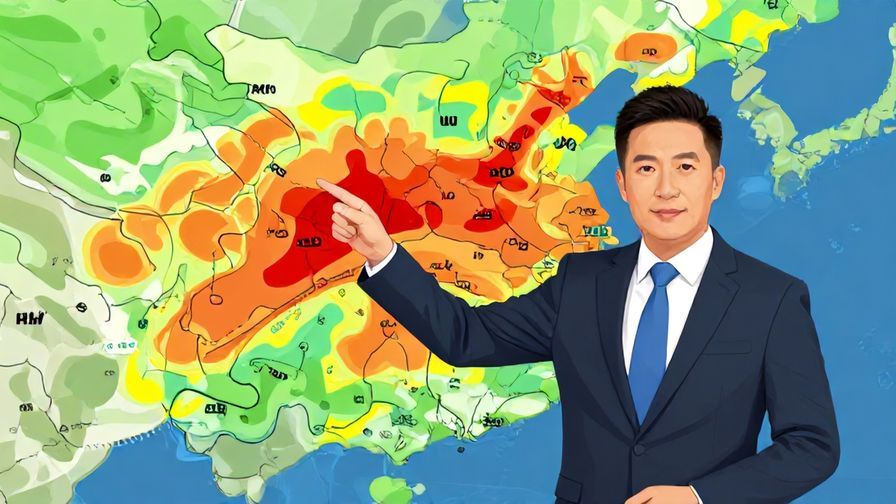
概ね (Ōmune, oh-moo-neh) means “roughly” or “generally,” used often in formal contexts like reports or news.
It’s polite and less casual than だいたい (daitai), but similar in meaning.
Example: 概ね予定通りです (Ōmune yotei dōri desu) – “Basically, it’s on schedule.”
Perfect for professional conversations or writing.
Use it to sound precise and respectful.
Practice this one if you want to sound polished and trustworthy.
13. 要点としては (Yōten to shite wa) – “The main point is” / “Basically”

要点としては (Yōten to shite wa, yoh-ten toh shee-teh wah) means “the main point is,” a formal way to say “basically.”
It’s often used in speeches or written work to emphasize a summary point.
Example: 要点としては、コスト削減が必要です (Yōten to shite wa, kosuto sakugen ga hitsuyō desu) – “Basically, cost reduction is necessary.”
Use it when you want to sound authoritative.
Great for business or academic discussions.
Try using it to practice your formal speaking skills.
14. 大筋では (Ōsujide wa) – “Basically speaking” / “In broad terms”

大筋では (Ōsujide wa, oh-soo-jee deh wah) means “basically speaking” or “in general terms.”
It’s formal and used to give a broad overview.
Example: 大筋では、計画は順調です (Ōsujide wa, keikaku wa junchō desu) – “Basically, the plan is going smoothly.”
This phrase helps when you want to soften your statement with a general tone.
It’s excellent for reports or polite conversations.
Practice it to add variety to your formal expressions.
15. 根本的に (Konponteki ni) – “Fundamentally” / “Basically”
根本的に (Konponteki ni, kon-pon-teh-kee nee) means “fundamentally” or “basically,” focusing on root causes or basics.
It’s formal and strong, useful in serious discussions.
Example: 根本的に考え直す必要があります (Konponteki ni kangaenaosu hitsuyō ga arimasu) – “Basically, we need to rethink fundamentally.”
Use it when you want to emphasize deep importance.
It’s a powerful phrase in presentations or essays.
Great for advanced learners aiming for precision.
16. ざっくり言うと (Zakkuri iu to) – “Roughly speaking” / “Basically”

ざっくり言うと (Zakkuri iu to, zak-koo-ree ee-oo toh) means “roughly speaking,” perfect for casual and semi-formal talks.
It’s a fun phrase implying a rough summary without too much detail.
Example: ざっくり言うと、問題は解決しました (Zakkuri iu to, mondai wa kaiketsu shimashita) – “Basically, the problem was solved.”
It’s a nice way to sound approachable and relaxed.
Try it when explaining something quickly.
Great for casual business or friendly discussions.
Part 3: Very Casual / Native-like Expressions
17. まぁ (Mā) – “Well” / “Basically” (filler)

まぁ (Mā, mah) is a casual filler word often meaning “well” or “basically,” used when thinking or softening statements.
It’s very common in spoken Japanese and adds a natural flow.
Example: まぁ、そんな感じかな (Mā, sonna kanji ka na) – “Basically, something like that.”
It’s informal and friendly, perfect for daily chats.
Just don’t overuse it to avoid sounding unsure.
Practice by adding it naturally to your conversations.
18. とりあえず (Toriaezu) – “For now” / “Basically”

とりあえず (Toriaezu, toh-ree-ah-eh-zoo) means “for now” but is often used like “basically” when deciding on immediate action.
It’s super casual and very common in everyday speech.
Example: とりあえず、行こう (Toriaezu, ikou) – “Basically, let’s go for now.”
It helps you sound spontaneous and natural.
Be careful not to confuse it with “eventually” or “first of all.”
Great for casual planning or quick decisions.
19. まあとにかく (Mā tonikaku) – “Well, anyway” / “Basically”

まあとにかく (Mā tonikaku, mah toh-nee-kah-koo) combines まぁ and とにかく for a friendly “well, anyway” meaning “basically.”
It’s casual and great for moving conversations forward.
Example: まあとにかく、頑張ろう (Mā tonikaku, ganbarou) – “Basically, let’s do our best.”
Use it to sound relaxed and encouraging.
Perfect for casual chats or team talks.
Try mixing it in to add warmth to your speech.
20. 要はさ (Yō wa sa) – “Basically, you know” (very casual)

要はさ (Yō wa sa, yoh wah sah) is a very casual, conversational way to say “basically, you know,” adding a friendly tone with さ (sa).
It’s popular among young people and in informal settings.
Example: 要はさ、面白いんだよ (Yō wa sa, omoshiroi nda yo) – “Basically, it’s interesting, you know.”
This phrase adds a bit of personality and closeness.
Use it with friends but not in formal situations.
Practice by mimicking natural conversations in dramas or podcasts.
21. まあね (Mā ne) – “Basically, yeah” (casual affirmation)

まあね (Mā ne, mah neh) is a casual way to say “basically, yeah,” often used as an affirmative or agreeing phrase.
It’s relaxed and friendly, perfect for quick agreements.
Example: まあね、そうだね (Mā ne, sō da ne) – “Basically, yeah, that’s right.”
It’s great to sound natural and easy-going.
Don’t use it in serious contexts where more formality is needed.
Try it in casual chats to show agreement smoothly.
22. そんな感じ (Sonna kanji) – “Basically like that” / “Something like that”

そんな感じ (Sonna kanji, son-nah kahn-jee) means “basically like that” or “something like that.”
It’s casual and often used to sum up an idea loosely.
Example: そんな感じで終わりました (Sonna kanji de owarimashita) – “Basically, it ended like that.”
It’s a handy phrase when you want to keep things simple.
Use it with friends or in informal talks.
Practice it to sound relaxed and natural.
Concluding Thought
Exploring these 22 ways to say “basically” in Japanese shows how rich and expressive the language can be. Each phrase has its unique flavor, perfect for different moments and moods.
Remember, choosing the right phrase depends on how casual or formal you want to be, and who you’re talking to. Mix and match to find your personal style!
Keep practicing, listen to native speakers, and enjoy the journey of sounding more natural and confident in Japanese. You’ve got this!