22 Japanese ways to say “Are You Ready?”
When you want to check in with friends, teammates, or even yourself in Japanese, asking “Are you ready?” can take many fun and nuanced forms.
Whether it’s a casual hangout or a formal event, knowing the right phrase to use can make your conversations smoother and more natural.
Japanese has a rich variety of ways to inquire about readiness, each with its own flavor depending on context and relationship.
In this article, we’ll explore 22 different expressions you can use to say “Are you ready?” in Japanese, from casual to formal, and even some native-like slang.
Learning these will not only improve your language skills but also help you connect better with native speakers.
So, let’s dive in and get ready to say “Are you ready?” the Japanese way!
Getting Started with Readiness in Japanese
Before jumping into the list, it’s good to understand that “ready” in Japanese often translates to 準備できた (junbi dekita) meaning “prepared” or “ready.”
But depending on the situation, you can tweak this phrase or use completely different expressions to sound more natural.
Japanese also distinguishes between casual and polite speech, so keep that in mind as you learn.

Sometimes, using a great beginner phrasebook can give you a perfect starting point for a cohesive understanding.
It’s all about matching the phrase to the mood and the person you’re speaking with.
Now, let’s jump into the list and explore the different ways to say “Are you ready?” in Japanese!
Part 1: Casual Suggestions
1. 準備できた? (Junbi dekita?) – “Are you ready?”

This is the most straightforward and common way to ask “Are you ready?” in casual Japanese.
“準備” (junbi) means “preparation,” and “できた” (dekita) is the past form of “can do,” so it literally means “Have you prepared?”
It’s perfect for friends or informal situations.
Quick tip: You can drop the “か” (ka) question particle in casual speech without losing clarity.
For example, before heading out, you can simply ask, “準備できた?”
It’s a great phrase to start practicing your readiness checks!
2. もういい? (Mou ii?) – “Is it good/alright now?”

This phrase literally means “Is it okay/alright already?” and is often used to ask if someone is ready to start or move on.
It’s super casual and works well with close friends or family.
Remember, “もう” (mou) means “already,” and “いい” (ii) means “good” or “okay.”
One thing to watch out for is that it can also imply impatience if said too abruptly.
Example: “もういい?” when waiting for friends to finish getting ready.
Keep it light and friendly to avoid sounding pushy.
3. 準備OK? (Junbi OK?) – “Ready OK?”

A fun and trendy way to ask “Are you ready?” mixing Japanese and English.
“準備” (junbi) means “ready,” and adding “OK” is casual and easy to understand.
This phrase is popular among younger speakers and is very easy to remember.
It’s great for informal occasions or texting with friends.
Try saying “準備OK?” to quickly check if everyone’s set to go.
Using English “OK” makes it feel modern and approachable.
4. いい感じ? (Ii kanji?) – “Feeling good/ready?”

This phrase translates as “Is it feeling good?” and is a way to casually check if someone is ready or comfortable.
“いい” (ii) means “good,” and “感じ” (kanji) means “feeling” or “vibe.”
It’s less direct but friendly and warm.
Use this when you want to sound casual and supportive.
Example: Checking if your friend is ready before a presentation, “いい感じ?”
This phrase adds a nice emotional touch to asking readiness.
5. 行く準備できた? (Iku junbi dekita?) – “Are you ready to go?”

This phrase is a bit more specific, literally asking “Have you prepared to go?”
“行く” (iku) means “to go,” combined with “準備できた” (junbi dekita) for “ready.”
It’s casual but slightly more detailed.
It’s great for checking if someone is set before leaving a place.
For example, before leaving a party or meeting, ask “行く準備できた?”
Try using this to add clarity to your readiness questions.
6. 準備いい? (Junbi ii?) – “Ready?”

A shorter and snappier way to ask if someone is ready.
“準備” (junbi) is “preparation,” and “いい” (ii) means “good” or “ready.”
It’s very casual and often used in spoken Japanese.
Perfect for quick check-ins before starting something.
Example: “準備いい?” before a game or event.
This phrase is easy to remember and frequently used.
7. もう準備できた? (Mou junbi dekita?) – “Already ready?”
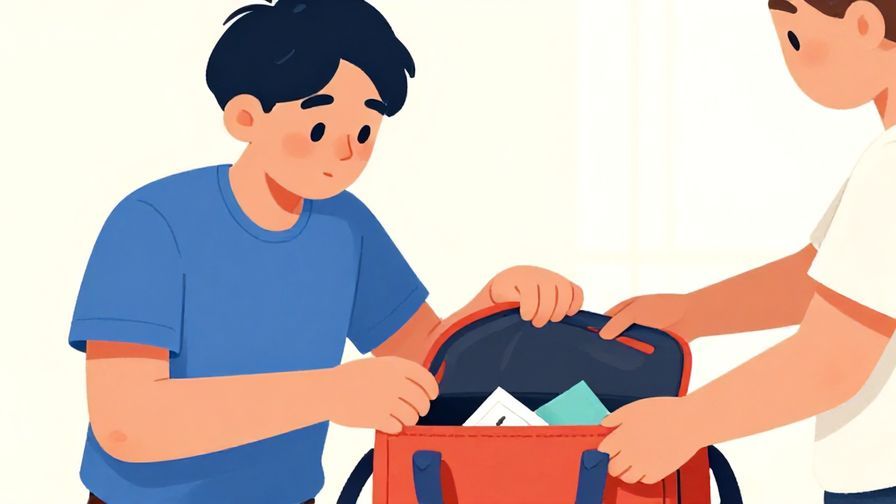
This phrase adds “もう” (mou) meaning “already” to check if someone has finished getting ready.
It’s casual but shows interest in the other person’s progress.
Great for situations where you expect the readiness to be quick.
Example: “もう準備できた?” when waiting for a friend.
It’s a gentle nudge phrase that’s polite in casual contexts.
Use this to check readiness without sounding pushy.
8. 準備は? (Junbi wa?) – “What about readiness?”

This is a very casual and brief way to ask if someone is ready, essentially “How about your readiness?”
“準備” (junbi) means “preparation,” and “は” (wa) is the topic marker.
It’s common among friends or in informal group settings.
Example: “準備は?” when you want a quick update.
It’s short but effective in casual conversation.
Try this when you want to sound relaxed and friendly.
Part 2: Polite & Formal Suggestions
9. ご準備はよろしいですか? (Go-junbi wa yoroshii desu ka?) – “Are you ready?” (polite)

This is a very polite and respectful way to ask if someone is ready.
“ご” (go) is an honorific prefix, “準備” (junbi) means “preparation,” and “よろしいですか” (yoroshii desu ka) means “is it good?”
It’s perfect for business or formal occasions.
Use this when you want to show respect and politeness.
Example: Asking a client, “ご準備はよろしいですか?” before a presentation.
This phrase creates a professional and courteous tone.
10. 準備はできていますか? (Junbi wa dekite imasu ka?) – “Are you ready?” (formal)
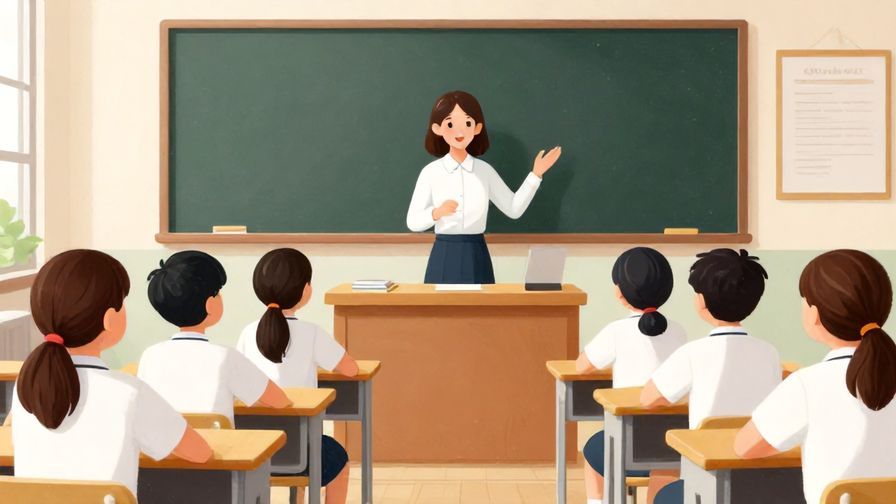
This is a formal and clear way to ask “Are you ready?”
“準備” (junbi) means “preparation,” “は” (wa) marks the topic, and “できていますか” (dekite imasu ka) is the polite present continuous question form of “done.”
It’s polite but not overly formal.
Great for teachers, managers, or anyone in a professional context.
Example: “準備はできていますか?” before a meeting or class.
This phrase helps maintain professionalism with warmth.
11. よろしいですか? (Yoroshii desu ka?) – “Is it okay?/Are you ready?” (polite)

This is a versatile polite phrase meaning “Is it okay?” often used to check if someone is ready.
It’s simple and soft, suitable for polite conversations.
It’s often used after confirming preparations.
Example: “準備はできました。よろしいですか?” meaning “Preparation is done. Are you ready?”
Its elegance makes it great for formal or semi-formal settings.
Try using this for smooth polite interactions.
12. ご用意はよろしいでしょうか? (Go-youi wa yoroshii deshou ka?) – “Are you ready?” (very polite)

This is a very polite and formal phrase for “Are you ready?”
“ご用意” (go-youi) means “preparation” with honorific, “よろしいでしょうか” (yoroshii deshou ka) is a polite inquiry.
It’s perfect for customer service or very formal situations.
Example: A hotel staff to guest, “ご用意はよろしいでしょうか?”
It shows highest respect and professionalism.
Use it when you want to sound especially courteous.
13. 準備は整いましたか? (Junbi wa totonoimashita ka?) – “Is your preparation complete?”

This phrase emphasizes completion of readiness.
“整いました” (totonoimashita) means “is organized” or “completed.”
It’s polite and used in formal or serious contexts.
Example: “準備は整いましたか?” before a ceremony or important meeting.
It shows thoroughness and professionalism.
Great for formal checks in professional settings.
14. ご準備はよろしいでしょうか? (Go-junbi wa yoroshii deshou ka?) – “May I ask if you are ready?”

This is a very polite and respectful way to check readiness.
It combines honorific “ご” (go) with polite inquiry form “でしょうか” (deshou ka).
It’s excellent for formal customer interactions.
Example: “ご準備はよろしいでしょうか?” when confirming readiness politely.
It conveys respect and care.
Use this when you want to be very courteous.
15. そろそろ準備よろしいですか? (Sorosoro junbi yoroshii desu ka?) – “Are you almost ready?”

This phrase uses “そろそろ” (sorosoro) meaning “soon” or “almost” to gently ask if someone is nearing readiness.
It’s polite and soft.
Perfect for checking progress without rushing.
Example: “そろそろ準備よろしいですか?” before a meeting starts.
It’s a considerate way to check in politely.
This phrase balances urgency and politeness well.
16. ご準備のほど、よろしくお願いいたします (Go-junbi no hodo, yoroshiku onegai itashimasu) – “Please prepare yourself.”

This is a very polite and indirect way of asking someone to get ready.
It uses respectful language and a humble request form.
“よろしくお願いいたします” (yoroshiku onegai itashimasu) is a formal “please.”
Use it in formal letters, speeches, or announcements.
Example: “ご準備のほど、よろしくお願いいたします” at official events.
It shows professionalism and politeness.
Part 3: Very Casual / Native-like Expressions
17. いける? (Ikeru?) – “Can you go?/Ready?”

This is a slangy and casual way to ask if someone is ready or able to start.
“いける” (ikeru) literally means “can go.”
It’s common among young people and close friends.
Example: “いける?” before jumping into a game or plan.
It’s quick and natural sounding.
Try this to sound more native and relaxed.
18. もうオッケー? (Mou okkee?) – “Already OK?”

A casual and playful mix of Japanese and English to ask if someone is ready.
“もう” (mou) means “already,” and “オッケー” (okkee) is “OK.”
It’s great for texting or friendly chats.
Example: “もうオッケー?” before heading out.
Easy to remember and widely used.
Use this to sound trendy and informal.
19. 準備できてる? (Junbi dekiteru?) – “Ready?” (casual)

A casual, contracted form of “準備できていますか?”
“できてる” (dekiteru) is a more relaxed way to say “done” or “ready.”
It’s common in everyday conversations.
Example: “準備できてる?” when hanging out with friends.
It sounds friendly and approachable.
Great for daily use with people you know well.
20. いい? (Ii?) – “Ready?/Is it okay?”

A very short and casual way to check if everything is okay or ready.
“いい” (ii) means “good” or “okay.”
Often used with tone and context to mean “Are you ready?”
Example: “もういい?” to check readiness quickly.
It’s informal and friendly.
Use it with friends or in relaxed environments.
21. 準備オッケー? (Junbi okkee?) – “Ready OK?”

A very casual, fun way to ask if someone is ready.
Combines “準備” (junbi) with English “OK.”
Great for texting or informal speech.
Example: “準備オッケー?” before starting a game or event.
It’s quick, simple, and natural.
Try this to sound more like a native speaker.
22. もう行く? (Mou iku?) – “Are you going already?/Ready to go?”

This phrase literally means “Are you going already?” and is used to check if someone is ready to leave or start moving.
“もう” (mou) means “already,” and “行く” (iku) means “go.”
It’s casual and often used among friends.
Example: “もう行く?” when waiting for a friend.
It’s natural and friendly.
Use it to sound warm and conversational.
Concluding Thought
Now that you have a rich list of ways to say “Are you ready?” in Japanese, you can tailor your questions to fit any situation.
From casual chats with friends to formal business settings, these phrases will help you sound more natural and confident in your Japanese conversations.
Keep practicing, and soon asking “Are you ready?” in Japanese will feel as comfortable as in your native language!