22 Japanese ways to say “Are you kidding me?”
Ever been so surprised or shocked that you just had to say, “Are you kidding me?” in Japanese?
Whether it’s disbelief, playful teasing, or sheer amazement, Japanese has a rich variety of expressions to capture that exact vibe.
From casual slang to polite phrases, this listicle will warm you up with 22 natural ways to say “Are you kidding me?” in Japanese.
With each phrase, you’ll get pronunciation tips and a little context so you can sound like a native—whether chatting with friends or in a more formal setting.
Plus, I’ll include useful resources to help you master these expressions fast. Ready to add some spice to your Japanese conversations?
Let’s dive in and have fun learning these colorful ways to express disbelief!
Understanding the Basics
Before jumping into phrases, it’s good to know that Japanese often expresses disbelief with words that mean “really?” or “seriously?”
Many expressions combine surprise with a bit of humor or sarcasm, depending on the tone and context.
Knowing when to use casual, polite, or slang expressions will make your conversations more natural.

If you’re looking for a handy guide to polish your Japanese, a beginner phrasebook can really help you get started with practical expressions.
Remember, the best way to learn is by trying these phrases out loud and noticing which ones feel right for different situations.
Let’s explore the casual ways first—they’re great for everyday chats!
Part 1: Casual Suggestions
1. 冗談でしょ? (Jōdan desho?) – “You’re joking, right?”

This is a very common, casual phrase to express disbelief or surprise.
“冗談” (jōdan) means “joke,” and “でしょ” (desho) adds a questioning tone, like “right?” or “isn’t it?”
Use it when you want to say, “No way, you’re joking!” in a friendly way.
It’s perfect for friends or informal situations.
You might hear it shortened to just “じょうだん?” (jōdan?).
Try it next time a friend tells you something unbelievable!
2. 嘘でしょ? (Uso desho?) – “No way!” or “You’re lying, right?”

“嘘” (uso) literally means “lie,” so this phrase questions if something is true.
Adding “でしょ” (desho) turns it into a soft challenge: “You’re lying, aren’t you?”
This phrase is easy to remember and very natural in casual talk.
Be careful not to use it in serious conversations—it’s playful, not accusatory.
For example, if a friend says they won a lottery, you can say “嘘でしょ?” with a smile.
It’s a great go-to for light disbelief.
3. まさか! (Masaka!) – “No way!” or “Impossible!”
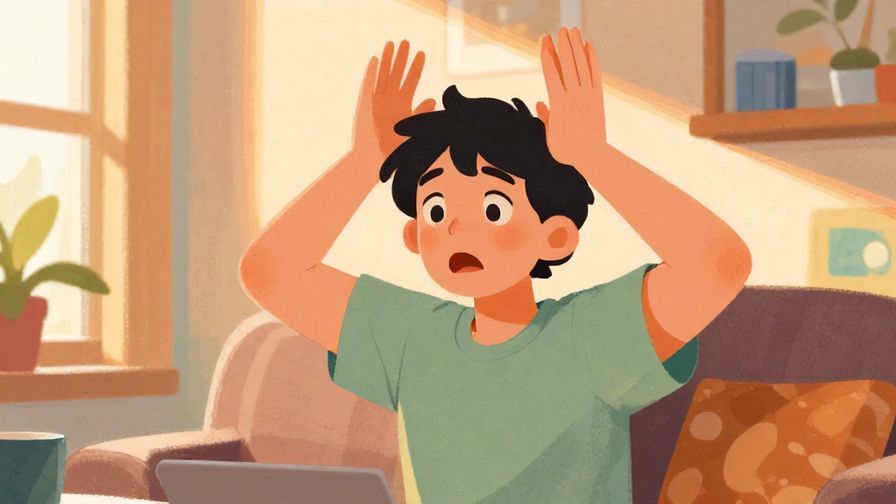
“まさか” (masaka) is a powerful word expressing strong disbelief.
It literally means “never” or “impossible,” perfect for shocking news.
It’s very versatile and works well on its own or as part of a sentence.
Keep it handy for moments when you just can’t believe what you heard!
For example: “まさか、あの人がそんなことを?” (“No way, that person did that?”)
This phrase adds drama without sounding rude.
4. ほんとに? (Honto ni?) – “Really?”

“ほんと” (honto) means “truth” or “real,” and “に” is an adverbial particle.
“ほんとに?” asks “Is that true?” in a simple, casual way.
It’s friendly and often used when you’re surprised but open-minded.
Use it to confirm surprising info without sounding confrontational.
It’s great for beginners because it’s short and frequently used.
Pair it with a smile for a warm, natural reaction.
5. 嘘だろ! (Uso daro!) – “No way!” (more casual and rough)

“嘘” (uso) again means “lie,” and “だろ” (daro) is a casual, masculine way to say “right?” or “isn’t it?”
This phrase is more direct and can sound a bit rough or dramatic.
It’s perfect when you’re really shocked or incredulous.
Be cautious using it with strangers or in polite company.
It’s often heard in movies or among close friends.
Use it when you want to sound emphatic, like “No freaking way!”
6. まじで? (Maji de?) – “Seriously?” or “For real?”

“まじ” (maji) is slang for “serious” or “real,” and “で” is a particle.
“まじで?” is a super casual way to say “Seriously?” or “Are you for real?”
It’s common among young people and very popular in conversations.
Easy to remember because it sounds like “majide” with a questioning tone.
Use it to show playful surprise or mild disbelief.
Perfect for informal chats with friends.
7. 冗談だよね? (Jōdan da yo ne?) – “You’re joking, right?”

This phrase is a slightly longer version of “冗談でしょ?” but a bit softer.
“だよね” (da yo ne) adds a friendly, confirming tone.
It’s like saying, “You’re just kidding me, right?” with warmth.
Great for teasing or lighthearted disbelief.
Works well in casual conversations.
Try it when you want to sound playful, not harsh.
8. ありえない! (Arienai!) – “No way!” or “Unbelievable!”

“ありえない” (arienai) means “impossible” or “unbelievable.”
It’s strong and often used when something is totally unexpected or crazy.
It’s casual but can be very expressive.
Perfect for dramatic disbelief or surprise.
Often used by younger speakers in informal settings.
Great to add emotional punch to your reaction.
Part 2: Polite & Formal Suggestions
9. 本当ですか? (Hontō desu ka?) – “Is that true?”

This phrase is polite and straightforward.
“本当” (hontō) means “truth,” and “ですか” (desu ka) makes it a question.
Use it to express disbelief politely or to confirm surprising news.
It’s great for work, formal conversations, or with strangers.
It doesn’t carry sarcasm, just honest curiosity.
If you want to sound respectful yet surprised, this is your phrase.
10. まさか、本当ですか? (Masaka, hontō desu ka?) – “No way, is that true?”

Combine the strong disbelief of “まさか” with polite “本当ですか?”
This phrase shows you’re surprised but staying respectful.
Perfect for formal settings or when you don’t want to sound rude.
It’s a little longer but very effective.
Use it when hearing unexpected news from your boss or someone senior.
This phrase keeps your tone balanced between surprise and politeness.
11. 冗談でしょうか? (Jōdan deshō ka?) – “Are you joking?” (formal)
This is a formal version of the casual “冗談でしょ?”
Adding “でしょうか” (deshō ka) makes it polite and questioning.
It’s useful in polite conversations or customer service.
Use it to express disbelief without sounding blunt.
Great if you want to sound refined but still surprised.
It’s less common in daily casual talk but important to know.
12. 本気ですか? (Honki desu ka?) – “Are you serious?”

“本気” (honki) means “seriousness” or “earnestness.”
“本気ですか?” asks if someone is serious in a polite way.
Use this when you want to check if surprising info is genuine.
It’s polite but direct and clear.
Perfect in formal or semi-formal situations.
It’s an excellent phrase to show respectful disbelief.
13. そんなことがあるのですか? (Sonna koto ga aru no desu ka?) – “Could that really happen?”
This phrase literally asks if such a thing could exist or happen.
It’s polite, a bit formal, and expresses disbelief gently.
Good for conversations where you want to sound thoughtful and surprised.
It’s less direct than “Are you kidding?” but carries the same meaning.
Use it when you want to sound curious without judgment.
Great for respectful questioning.
14. それは信じられませんね。 (Sore wa shinjiraremasen ne.) – “I can’t believe that.”
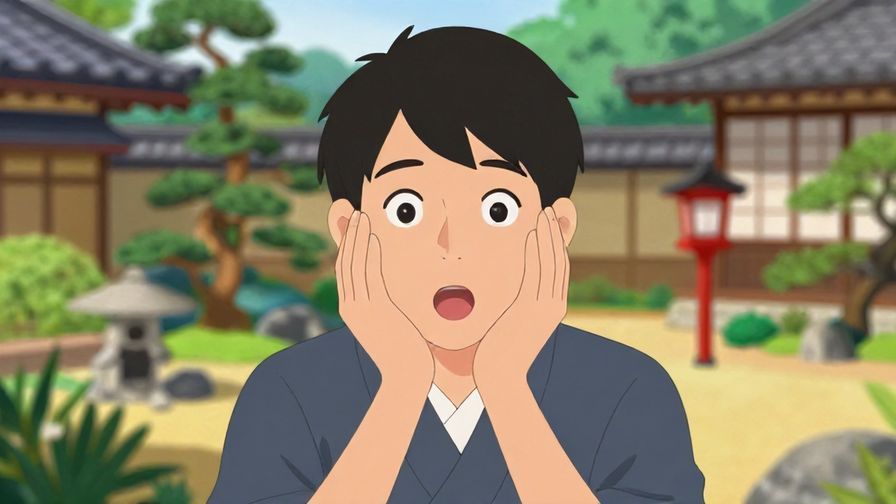
“信じられません” (shinjiraremasen) means “can’t believe.”
This phrase expresses polite disbelief without sounding rude.
Adding “ね” (ne) softens it and invites agreement.
It’s great in formal or polite conversations.
Use it to express genuine surprise and doubt respectfully.
It’s a useful phrase for professional settings.
15. 冗談じゃありませんよ。 (Jōdan ja arimasen yo.) – “I’m not joking.” (serious disbelief)
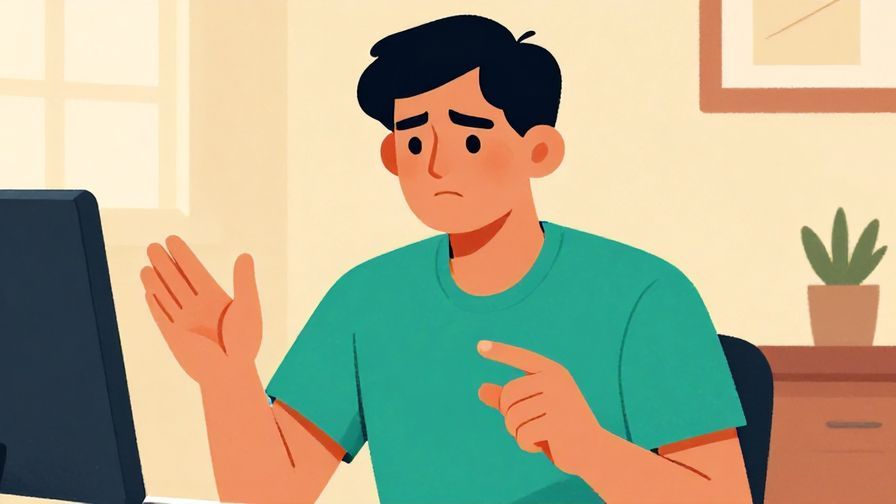
This phrase literally means “It’s not a joke.”
Use it to emphasize seriousness when someone doubts you.
It can be used ironically when you’re surprised someone doesn’t believe you.
It’s polite but firm.
Great for clarifying confusing or shocking info.
Try it when you want to stress your honesty clearly.
16. そんなはずはありません。 (Sonna hazu wa arimasen.) – “That can’t be true.”

“そんなはずはありません” means “That can’t be the case.”
It’s a polite way to express strong disbelief.
Useful in formal or even semi-formal conversations.
It’s a little more serious and less playful.
Use it to politely reject surprising or doubtful information.
This phrase is perfect when you want to sound confident yet respectful.
Part 3: Very Casual / Native-like Expressions
17. うそー! (Uso–!) – “No way!” (casual, playful)

Simply “うそ” (uso) stretched for emphasis.
It’s a fun, casual way to say “No way!” with excitement.
Used a lot by young people and in informal chats.
It sounds playful, so perfect for friends and family.
Try saying it with a big smile for maximum effect.
It’s one of the first expressions you’ll hear in everyday Japanese.
18. ほんまかいな? (Honma kaina?) – Kansai dialect for “Really?”

This is a Kansai (Osaka) dialect phrase meaning “Really?” or “Are you kidding?”
“ほんま” (honma) means “really,” and “かいな” (kaina) adds a questioning, surprised tone.
It sounds very casual and regional, giving your Japanese a native feel.
Great to use with friends from Kansai or to impress locals.
Keep it lighthearted and playful.
Perfect for informal, fun disbelief.
19. マジかよ! (Maji ka yo!) – “Seriously?!” (very casual)

“マジ” (maji) means “serious” and “かよ” (ka yo) adds emphasis.
This phrase is very casual and often used by young people.
It’s a stronger, more emotional reaction than just “まじで?”
Use it with close friends, never in formal situations.
It expresses shock, disbelief, and sometimes frustration.
Great for very casual, surprised reactions.
20. ちょっと待ってよ! (Chotto matte yo!) – “Wait a minute!” (disbelief and surprise)

This phrase literally means “Wait a moment!”
It’s often used when you can’t believe what you just heard and need a moment to process.
It’s casual and very natural sounding.
Perfect for informal conversations when you’re shocked.
It softens disbelief by asking for a pause.
Use it when you need time to react.
21. ありえへん! (Ariehen!) – Kansai dialect for “No way!”

This is the Kansai dialect version of “ありえない.”
Used in Osaka and surrounding areas, it sounds very local and casual.
It’s great for sounding native-like if you’re hanging out in the Kansai region.
Use it to express strong disbelief in a fun way.
Perfect for informal conversations with friends from Kansai.
Try it to impress native speakers with your regional flair!
22. ほんとにもう! (Honto ni mō!) – “Really, now!” (exasperated disbelief)

This phrase expresses a mix of disbelief and mild frustration.
“ほんとに” means “really,” and “もう” adds a tone like “come on!” or “seriously!”
It’s casual and often used when someone’s surprised but a bit annoyed.
Use it among friends to show playful disbelief.
It’s a natural way to react to repeated surprises or jokes.
Try it for a warm, relatable response.
Concluding Thought
Exploring these 22 ways to say “Are you kidding me?” in Japanese shows how rich and expressive the language really is.
From polite inquiries to slangy outbursts, you now have a toolbox for every level of surprise and disbelief.
So go ahead—try these phrases out loud, have fun with them, and watch your Japanese conversations come to life with genuine emotion and flair!