22 Japanese ways to say “Anticipation is half the fun”
There’s something magical about looking forward to something, isn’t there? That fluttery feeling of excitement before the big moment — it really is half the fun.
In Japanese, this idea of “anticipation is half the fun” has many beautiful and nuanced expressions. Whether you’re chatting with friends or writing a heartfelt message, these phrases add flavor and warmth to your language.
We’ll explore 22 different ways to capture that lovely anticipation feeling in Japanese. Each one comes with an easy pronunciation guide so you can sound natural and confident.
Learning these will deepen your understanding of Japanese culture and help you express yourself more vividly.
Plus, you’ll get a little sneak peek into how Japanese people think about time, excitement, and patience.
Ready to add a splash of joyful expectation to your conversations? Let’s dive in!
Understanding Anticipation in Japanese
Before we jump into the list, it’s good to know that Japanese often expresses anticipation through subtle phrases and cultural expressions that value patience and the joy of waiting.
These phrases often combine feelings of hope, excitement, and even a bit of restraint — all wrapped in polite or casual language depending on the situation.
Expressing anticipation well can make your conversations warmer and more engaging.
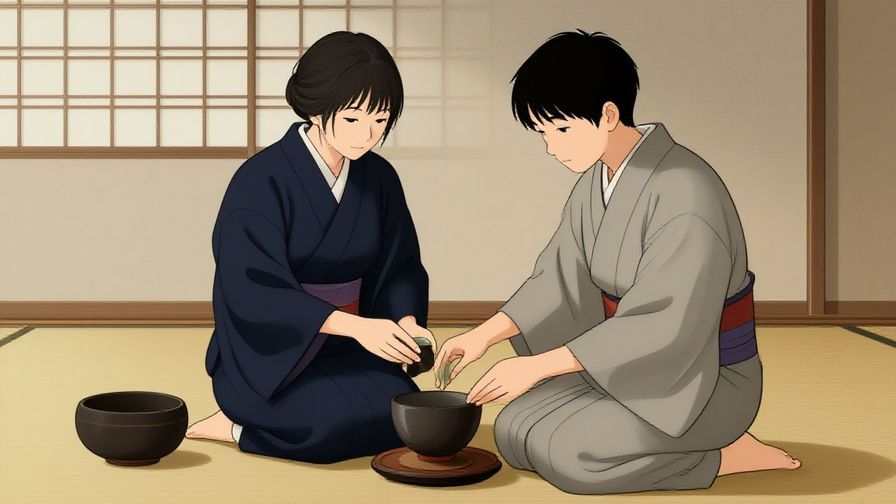
Sometimes, using a great beginner phrasebook can give you a perfect starting point for a cohesive understanding.
Keep these ideas in mind as you learn the phrases — it’ll help you connect the words with the feeling behind them.
Let’s get started with some casual, easy-to-use expressions that you can try out right away!
Part 1: Casual Suggestions
1. 楽しみだね (Tanoshimi da ne) – “I’m looking forward to it!”
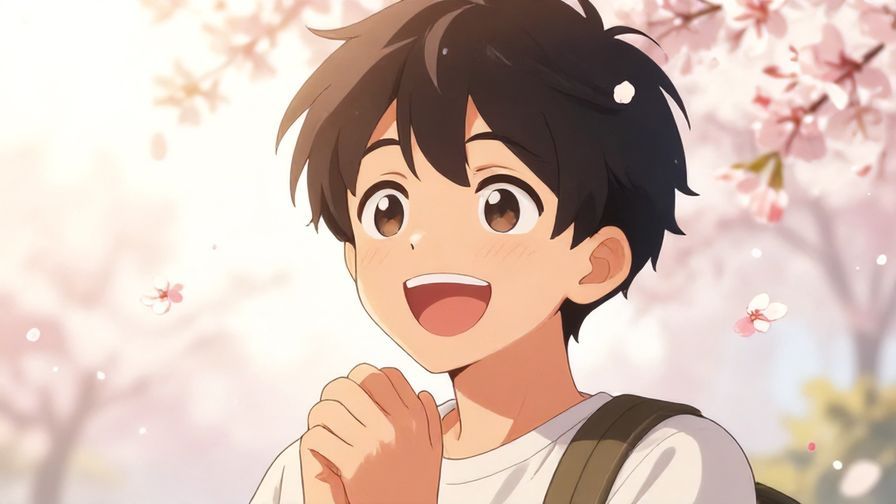
This is a very natural and common way to express excitement about something upcoming.
“Tanoshimi” means “fun” or “looking forward to,” “da” is casual “is,” and “ne” adds a friendly tone like “right?” So it’s like saying “It’s fun, isn’t it?”
It’s great for conversations with friends or family when you share anticipation.
Using “da ne” makes it warm and inclusive, letting the other person join your excitement.
You might also hear “楽しみです (tanoshimi desu)” in more polite contexts.
Try this phrase next time you’re thrilled about an event or plan — it’s simple and heartfelt!
2. 期待してる (Kitai shiteru) – “I’m expecting (it).”

This phrase captures the feeling of expectation or hope for something.
“Kitai” means “expectation,” and “shiteru” is casual for “doing” or “having.” Together, it means “I’m expecting it” or “I have high hopes.”
It’s casual but strong, showing you really believe something good will happen.
Be careful not to use it for things you don’t want — it’s positive anticipation, not neutral.
Example: “明日のライブ、期待してるよ!” (Ashita no raibu, kitai shiteru yo!) — “I’m looking forward to tomorrow’s concert!”
This phrase works well for upbeat conversations about plans or surprises.
3. わくわくする (Waku waku suru) – “I’m excited!”

“Waku waku” is an onomatopoeic word that means the fluttery excitement you feel before something fun.
Adding “suru” turns it into a verb phrase, “to be excited.”
This expression is very lively and perfect for showing childlike joy.
It’s casual and used often among friends and family.
You might say it before a trip, a party, or even a tasty meal!
It captures the pure anticipation feeling, making it perfect for this list.
4. 待ち遠しい (Machidōshii) – “I can’t wait.”
This word beautifully expresses eager waiting for something you’re really excited about.
“Machi” means “waiting,” and “dōshii” conveys “longing” or “impatience.” Together, it means “I can’t wait.”
It’s often used for events, visits, or anything you’re anxiously awaiting.
It’s a bit more poetic and emotional than just “looking forward to.”
You’ll find it in letters, messages, or even songs.
Using it adds depth to your anticipation expression.
5. 楽しみにしている (Tanoshimi ni shite iru) – “I’m really looking forward to it.”
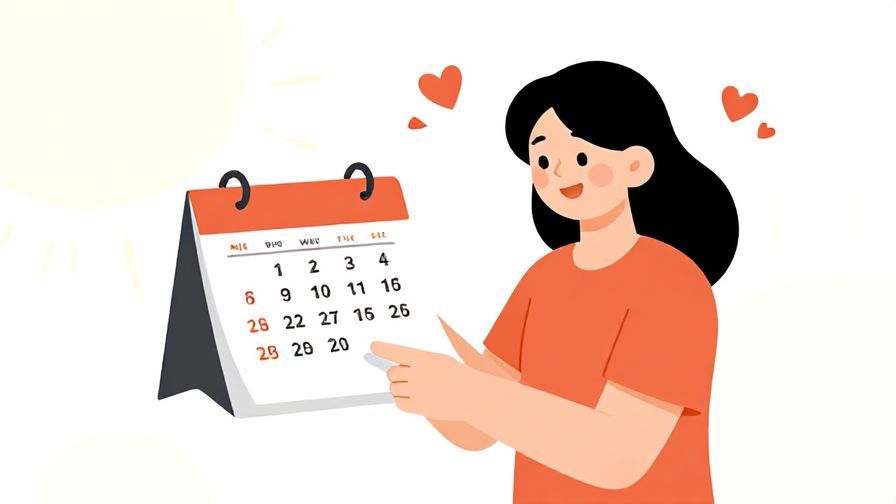
This is a slightly more formal way to say you’re looking forward to something.
“Tanoshimi” means “fun,” “ni shite iru” is a continuous form meaning “am doing (the act of looking forward).”
It’s polite yet still warm, suitable for friends or acquaintances.
This phrase works well in emails or messages when you want to express genuine positive anticipation.
It’s a great phrase to add to your polite conversation toolkit.
Try it for upcoming events or meetings to sound thoughtful and excited.
6. 心待ちにする (Kokoro machi ni suru) – “To eagerly await with heart.”
This poetic phrase literally means “to wait with one’s heart.”
“Kokoro” means “heart,” and “machi ni suru” means “to wait for.”
It’s a beautiful way to express deep, heartfelt anticipation.
Not used in everyday casual talk but perfect for writing or expressing strong feelings.
Try it in a letter or diary to capture the warmth of waiting.
This phrase shows the emotional side of anticipation in Japanese.
7. 期待感が高まる (Kitaikan ga takamaru) – “The feeling of expectation rises.”
This phrase is great for describing the growing excitement or expectation.
“Kitai” means “expectation,” “kan” is “feeling,” and “takamaru” means “to rise.”
It’s a bit formal but useful for storytelling or describing moods.
You can use it to talk about the buildup before a big event.
It’s a vivid way to paint the emotion of anticipation.
Try it when describing your feelings in a journal or blog.
8. 心踊る (Kokoro odoru) – “My heart dances.”

This poetic expression means your heart is dancing with joy or excitement.
“Kokoro” means “heart,” and “odoru” means “to dance.”
It’s a vivid way to express joyful anticipation.
Used more in literature or emotional speech to capture lively feelings.
It’s perfect when something thrilling is just around the corner.
Using this phrase adds a beautiful emotional layer to your language.
Part 2: Polite & Formal Suggestions
9. 心待ちにしております (Kokoro machi ni shite orimasu) – “I am eagerly awaiting (polite).”

This is a humble and polite way to express you’re eagerly waiting for something.
“Orimasu” is a very polite form of “to be,” making this phrase ideal for formal letters or business situations.
It shows respect and warmth at the same time.
Use it when writing emails or messages to superiors or clients.
It’s a nice way to keep anticipation professional yet sincere.
Perfect for maintaining politeness without losing warmth.
10. お待ちしております (O-machi shite orimasu) – “We are looking forward to (serving you).”
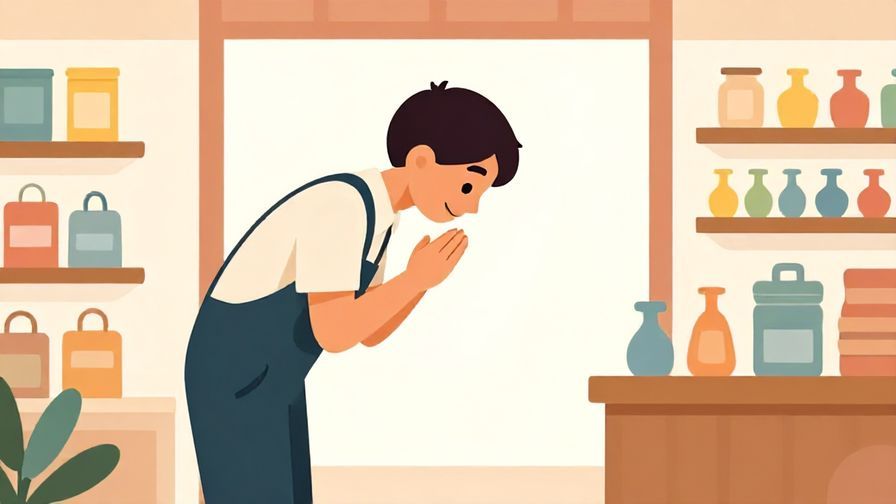
This phrase is often used in customer service or formal invitations.
“O-machi” is the polite form of “waiting,” and “shite orimasu” is very formal.
It’s a warm, respectful way to say “We look forward to your visit.”
Common in emails, invitations, and customer interactions.
It shows anticipation with professionalism.
Using this phrase helps create a welcoming atmosphere.
11. ご期待ください (Go-kitai kudasai) – “Please look forward to it.”

This phrase politely asks the listener to anticipate something.
“Go” is an honorific prefix, “kitai” means “expectation,” and “kudasai” means “please.”
It’s great for announcements or promotions.
Use it to build excitement politely and respectfully.
It’s often heard in commercials or formal presentations.
A perfect phrase for polite encouragement to look forward to something.
12. 楽しみにしております (Tanoshimi ni shite orimasu) – “I am looking forward to it (polite).”

This is a formal and humble way to express anticipation.
Similar to “tanoshimi ni shite iru,” but more polite with “orimasu.”
It’s appropriate in business emails and formal occasions.
Shows respectful excitement for upcoming events or meetings.
Use it when you want to sound professional but warm.
It balances formality and personal feeling beautifully.
13. 心よりお待ち申し上げます (Kokoro yori o-machi mōshiagemasu) – “We sincerely look forward to…”
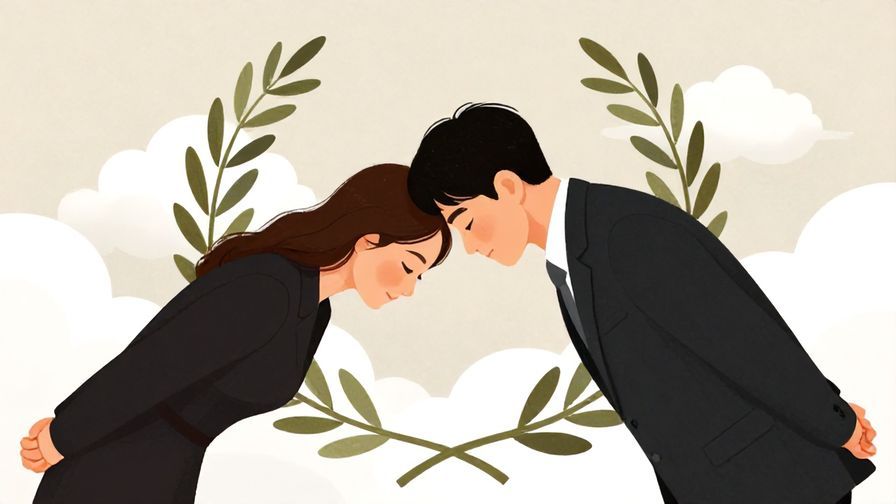
This is a very polite and sincere phrase used in formal correspondence.
“Kokoro yori” means “from the heart,” and “mōshiagemasu” is humble speech for “to say.”
It’s perfect for official invitations or thank-you notes.
Use it to convey deep respect and heartfelt anticipation.
It’s less common in casual talk but highly valued in formal writing.
Using this phrase shows your mastery of polite Japanese expressions.
14. 期待に胸を膨らませる (Kitai ni mune o fukuramaseru) – “To have one’s heart swell with expectation.”

This is a vivid, almost poetic expression for the excitement and hope that swell inside you.
“Kitai” means “expectation,” “mune” is “chest/heart,” and “fukuramaseru” means “to swell or expand.”
It’s great for writing or describing strong emotional anticipation.
Not usually used in casual speech but great for storytelling.
It beautifully conveys the physical feeling of excitement.
Try it when you want to express anticipation in a colorful way.
15. 楽しみにしておりますので、どうぞよろしくお願いいたします (Tanoshimi ni shite orimasu node, dōzo yoroshiku onegaishimasu) – “I am looking forward to it, thank you in advance.”
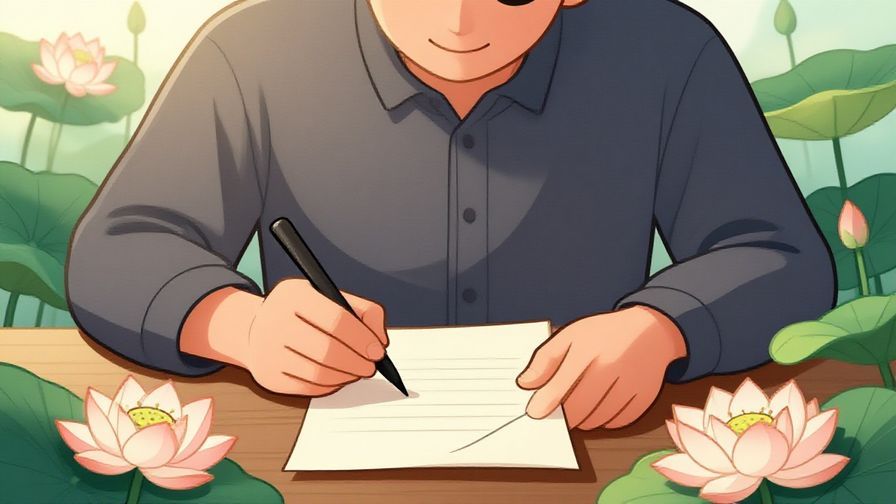
This full phrase is a polite and respectful way to express anticipation and gratitude simultaneously.
It’s perfect for emails or formal requests.
“Tanoshimi ni shite orimasu” expresses looking forward to something, and “dōzo yoroshiku onegaishimasu” is a polite way to ask for favor or cooperation.
Using this phrase shows thoughtfulness and respect.
It’s often used in business or formal communications.
A great phrase to master for professional Japanese.
16. 心おどらせる (Kokoro odoraseru) – “To make one’s heart dance.”

This is the causative form of “kokoro odoru,” meaning something or someone causes your heart to dance.
It’s a poetic way to describe something that makes you excited or eager.
Used in writing or expressive speech.
Great for describing events, gifts, or surprises that spark joy.
Try using it in creative writing or when describing exciting experiences.
This phrase adds vivid emotion to your anticipation vocabulary.
Part 3: Very Casual / Native-like Expressions
17. もう待ちきれない (Mō machikirenai) – “I can’t wait anymore!”
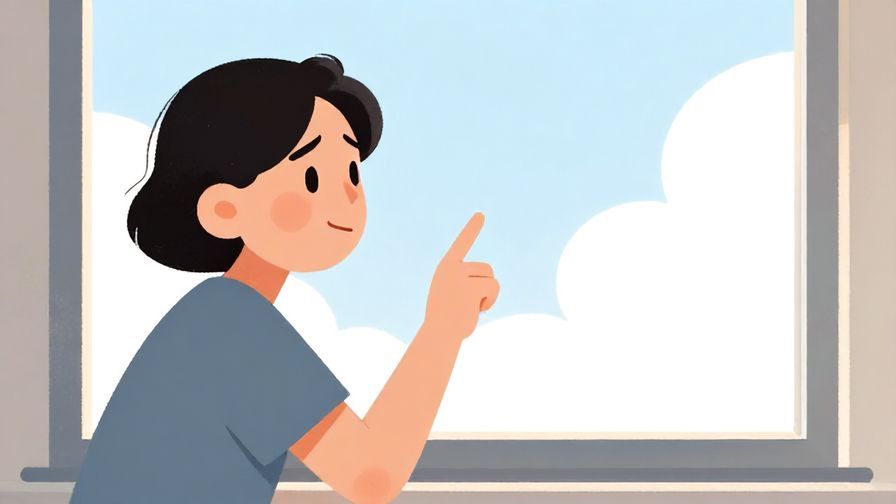
This phrase expresses strong impatience in a fun, casual way.
“Mō” means “already,” “machi” means “waiting,” and “kirenai” means “can’t finish.”
It’s like saying “I just can’t wait any longer!”
Perfect for chatting with friends about exciting plans.
Use it when you want to sound very natural and spontaneous.
It conveys the excitement and slight impatience of anticipation perfectly.
18. 早く来てほしい (Hayaku kite hoshii) – “I want it to come soon.”
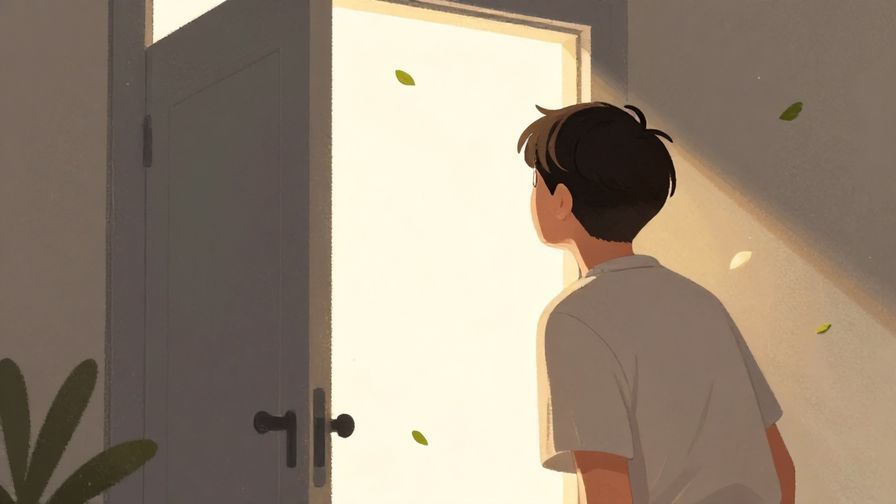
This phrase literally says “I want you/it to come quickly.”
“Hayaku” means “quickly,” “kite” is “come,” and “hoshii” means “want.”
It’s straightforward and casual.
Used when you’re really eager for something or someone to arrive.
Try it in conversations with close friends or family.
It’s a very natural way to express anticipation in everyday talk.
19. ドキドキする (Doki doki suru) – “My heart is pounding.”

“Doki doki” is a common onomatopoeia for a pounding heart.
“Suru” means “to do,” so the phrase means “to be nervous or excited.”
It’s widely used to describe anticipation mixed with excitement or nervousness.
Perfect for moments like first dates, exams, or surprises.
Using “doki doki” adds a lively emotional touch to your speech.
It’s an easy and fun phrase to remember!
20. めっちゃ楽しみ!(Meccha tanoshimi!) – “Super excited!”

“Meccha” is Kansai dialect slang for “very” or “super.”
Combined with “tanoshimi,” it means “super excited” or “really looking forward to it.”
This phrase is very casual and popular among young people.
Use it with close friends or informal chat.
It’s a fun way to ramp up your excitement expression.
Great for social media or casual texts!
21. わくわくが止まらない (Waku waku ga tomaranai) – “I can’t stop being excited.”

This phrase adds the idea of unstoppable excitement.
“Waku waku” is excitement, “ga” is the subject marker, and “tomaranai” means “cannot stop.”
It’s a lively, casual way to say you’re bursting with anticipation.
Perfect for sharing your happiness about upcoming events.
Try this phrase when you want to sound bubbly and enthusiastic.
It’s an expressive and relatable way to show your excitement.
22. 楽しみで夜も眠れない (Tanoshimi de yoru mo nemurenai) – “I’m so excited I can’t sleep at night.”

This is a fun, relatable way to express anticipation keeping you up at night.
“Tanoshimi de” means “because of excitement,” “yoru mo” is “even at night,” and “nemurenai” means “can’t sleep.”
It’s casual and often used jokingly or affectionately.
Great for texting friends about something you’re really pumped for.
This phrase perfectly captures the sweet restlessness of anticipation.
Try it to add humor and warmth to your conversations.
Concluding Thought
Anticipation is such a universal feeling, and Japanese gives us so many ways to express it beautifully.
From casual chats to formal letters, these phrases help you share that joyful excitement with others.
So go ahead, sprinkle these expressions into your conversations and enjoy the half-the-fun feeling of looking forward to what’s next!