22 Japanese ways to say “After all we’ve been through”
Sometimes, words just can’t capture the depth of what we share with someone after so many ups and downs.
“After all we’ve been through” is one of those special phrases that carries warmth, reflection, and a touch of nostalgia. It’s perfect for telling someone, “Hey, despite everything, we’re still here.”
In Japanese, you can express this sentiment in many beautiful ways, from casual to formal, and even poetic. Each phrase carries its own nuance and emotion.
Whether you want to comfort a friend, mend a relationship, or simply reflect on shared memories, these 22 Japanese expressions will help you say it just right.
Learning these phrases will deepen your understanding of Japanese culture and language, and help you express your feelings sincerely.
Ready to discover these warm expressions? Let’s dive in!
Warm Reflections Before We Begin
Expressing “after all we’ve been through” in Japanese invites you to connect emotionally with shared experiences.
These phrases often combine words about time, hardship, memories, and relationships. You’ll find nuances from hopeful to thankful, casual to deeply respectful.
Try to think of your own experiences as you read through—how would you say this to your closest friends or family?

Also, sometimes a great Japanese expression book can offer helpful examples and practice phrases to get comfortable with these variations.
Keep an open heart and mind as you explore these phrases—they’re about real feelings, not just words.
Let’s get started with some casual, warm ways to say it.
Part 1: Casual Suggestions
1. いろいろあったけど (Iroiro atta kedo) – “A lot happened, but…”

This phrase literally means “a lot happened, but…” and sets up a reflection on shared experiences.
It’s casual and commonly used when you want to acknowledge ups and downs without sounding too heavy.
You can use it to start a sentence like, “いろいろあったけど、ありがとう” (Iroiro atta kedo, arigatou) – “After all we’ve been through, thank you.”
This phrase is great for everyday conversations with friends or family.
It’s flexible and can be followed by many endings depending on your feeling.
Try pairing it with gratitude or reassurance to deepen its warmth.
2. 色々経験したけど (Iroiro keiken shita kedo) – “Though we’ve experienced a lot…”

This phrase focuses on having experienced many things together, emphasizing growth or shared memories.
It’s slightly more formal than the first but still casual enough for friends and colleagues.
Use it to reflect on past challenges and how they shaped your bond.
A common mistake is to forget the “けど” (kedo) part, which softens the contrast and keeps the tone warm.
For example, “色々経験したけど、これからもよろしくね” (Iroiro keiken shita kedo, kore kara mo yoroshiku ne) means “After all we’ve been through, let’s keep supporting each other.”
It’s a nice way to express hope after reflection.
3. ここまで来たね (Koko made kita ne) – “We’ve come this far, haven’t we?”

This phrase is casual and optimistic, highlighting the journey itself.
It’s like saying “Look how far we’ve come,” recognizing shared effort and endurance.
Great for celebrating milestones or overcoming difficulties.
It’s often used in a positive, encouraging context.
For example, “ここまで来たね、ありがとう” (Koko made kita ne, arigatou) means “After all we’ve been through, thank you.”
It’s heartfelt and simple to use anytime you want to highlight progress.
4. 色んなことがあったね (Ironna koto ga atta ne) – “So many things happened, right?”

This phrase is informal and conversational, perfect for reminiscing with close friends.
It’s a gentle way to acknowledge a shared past, with “色んなこと” (ironna koto) meaning “various things.”
It invites a nostalgic conversation.
Be careful not to sound too vague—follow it with a reflection or feeling.
For example, “色んなことがあったね。でもこれからもよろしくね” (Ironna koto ga atta ne. Demo kore kara mo yoroshiku ne) means “After all we’ve been through, let’s keep going together.”
This phrase keeps things light but meaningful.
5. いろいろあったけど、やっぱり (Iroiro atta kedo, yappari) – “After all that happened, as expected…”

This expression adds “やっぱり” (yappari), meaning “after all” or “as expected,” for a sense of inevitability or heartfelt truth.
It’s casual but emotionally rich, often used when you want to underline a deep connection or realization.
It’s useful to express “No matter what, I still feel this way.”
For example, “いろいろあったけど、やっぱり君が大事だよ” (Iroiro atta kedo, yappari kimi ga daiji da yo) means “After all we’ve been through, you’re still important to me.”
This makes your feeling clear and sincere.
Try using it to express honest, heartfelt reflections.
6. 本当にいろいろあったね (Hontou ni iroiro atta ne) – “We really did go through a lot.”

This is a casual, sincere way to emphasize the reality of the shared experience.
“本当に” (hontou ni) means “really” or “truly,” adding weight to the statement.
It’s often used to validate feelings after hardship.
Be sure to use it with a tone of empathy or gratitude.
For example, “本当にいろいろあったね。でも一緒に乗り越えられてよかった” (Hontou ni iroiro atta ne. Demo issho ni norikoerarete yokatta) means, “After all we’ve been through, I’m glad we got through it together.”
This phrase is perfect for heartfelt conversations.
7. いろいろあったけど、今がある (Iroiro atta kedo, ima ga aru) – “After all we’ve been through, here we are now.”

This expression highlights the present moment as the result of everything past.
It’s casual, optimistic, and good for encouraging ongoing relationships.
It’s a way to say, “Despite everything, we have this moment now.”
Try to use it when celebrating progress or new beginnings.
For example, “いろいろあったけど、今があるから大丈夫” (Iroiro atta kedo, ima ga aru kara daijoubu) means “After all we’ve been through, we’re okay now.”
This phrase is both comforting and forward-looking.
8. 色々乗り越えてきたね (Iroiro norikoete kita ne) – “We’ve overcome a lot, haven’t we?”

This phrase focuses on overcoming difficulties together.
“乗り越える” (norikoeru) means “to overcome,” making this phrase active and positive.
It’s great for acknowledging strength and teamwork.
Use it when you want to emphasize resilience.
For example, “色々乗り越えてきたね、これからもよろしく” (Iroiro norikoete kita ne, kore kara mo yoroshiku) means “After all we’ve overcome, let’s keep going together.”
This phrase builds connection through shared strength.
Part 2: Polite & Formal Suggestions
9. これまでのことを踏まえて (Kore made no koto o fumaete) – “Taking everything up to now into account”

This is a polite and formal way to reference all that has happened before.
“踏まえて” (fumaete) means “based on” or “taking into account,” which is good for serious conversations.
Use it in business or respectful personal contexts.
For example, “これまでのことを踏まえて、今後もよろしくお願いいたします” (Kore made no koto o fumaete, kongo mo yoroshiku onegaishimasu) means “After all we’ve been through, I look forward to continuing our relationship.”
It’s excellent for expressing respect and gratitude.
Perfect for emails or formal talks.
10. これまで色々ありましたが (Kore made iroiro arimashita ga) – “Though many things have happened up to now”
This phrase is formal and acknowledges past difficulties gracefully.
“ありましたが” (arimashita ga) is a polite way to say “there were, but…” softening the past events.
It’s great for written communication or respectful speech.
For example, “これまで色々ありましたが、変わらぬご支援を感謝します” (Kore made iroiro arimashita ga, kawaranu go-shien o kansha shimasu) means “After all we’ve been through, I appreciate your continued support.”
Use it when you want to be respectful and thankful.
It’s a smooth way to look back and forward.
11. 色々なことを乗り越えてきました (Iroirona koto o norikoete kimashita) – “We have overcome many things”

This formal phrase emphasizes having overcome challenges together.
It’s respectful and appropriate in many settings, including professional.
Use it to acknowledge teamwork and endurance.
For example, “色々なことを乗り越えてきましたが、これからも頑張りましょう” (Iroirona koto o norikoete kimashita ga, kore kara mo ganbarimashou) means “After all we’ve been through, let’s keep doing our best.”
It’s encouraging and polite.
Great for speeches or emails.
12. これまでの経験を踏まえて (Kore made no keiken o fumaete) – “Based on the experiences up to now”

This phrase is useful for formal reflections on past experiences.
It’s polite and often used in work or academic contexts.
“経験” (keiken) means “experience,” adding a professional tone.
For example, “これまでの経験を踏まえて、新しい方針を提案します” (Kore made no keiken o fumaete, atarashii houshin o teian shimasu) means “After all we’ve been through, I propose a new policy.”
It’s ideal for respectful, thoughtful communication.
Try it when summarizing or planning next steps.
13. 長い道のりでしたが (Nagai michinori deshita ga) – “It’s been a long journey, but…”

This phrase is polite and metaphorical, highlighting the length and effort of shared experiences.
It’s great for speeches or formal thank-you notes.
Use it to acknowledge perseverance and progress.
For example, “長い道のりでしたが、おかげさまで成功しました” (Nagai michinori deshita ga, okagesama de seikou shimashita) means “After all we’ve been through, thanks to you we succeeded.”
It’s respectful and filled with gratitude.
Perfect for marking milestones.
14. これまでの道程を振り返って (Kore made no michinori o furikaette) – “Looking back on the path we’ve taken”

This phrase is formal and poetic, useful for reflective speeches or writing.
“振り返って” (furikaette) means “looking back,” adding a thoughtful mood.
It’s perfect for summarizing experiences respectfully.
For example, “これまでの道程を振り返って、感謝の気持ちでいっぱいです” (Kore made no michinori o furikaette, kansha no kimochi de ippai desu) means “After all we’ve been through, I’m filled with gratitude.”
It’s a warm and polished way to express heartfelt thanks.
Use it in formal letters or speeches.
15. いろいろな試練を乗り越えて (Iroirona shiren o norikoete) – “Having overcome various trials”
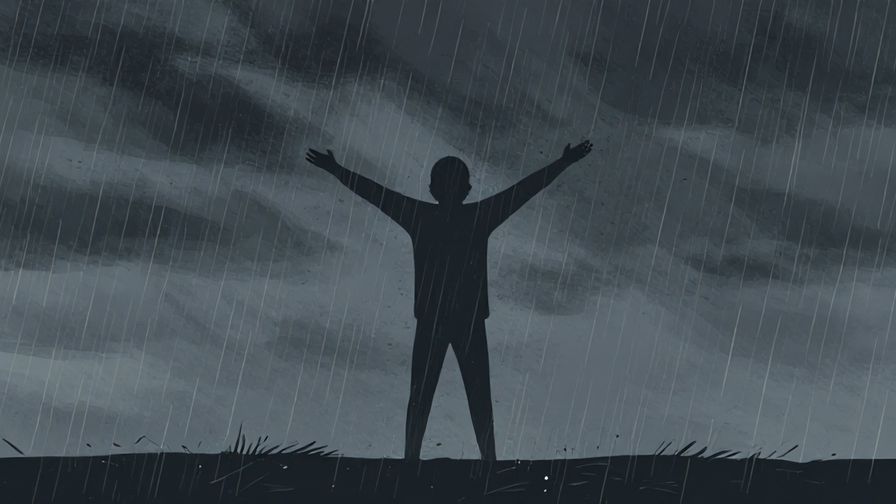
This is a formal, somewhat dramatic phrase emphasizing challenges faced and overcome.
“試練” (shiren) means “trial” or “ordeal,” making it suited for serious contexts.
Use it to show respect for the difficulty of the journey.
For example, “いろいろな試練を乗り越えて、今ここにいます” (Iroirona shiren o norikoete, ima koko ni imasu) means “After all the trials, here we are now.”
It’s powerful and sincere.
Great for formal reflections or speeches.
16. これまでの歩みを大切にして (Kore made no ayumi o taisetsu ni shite) – “Cherishing the journey so far”
This phrase is formal and warm, focusing on valuing the shared journey.
“歩み” (ayumi) means “steps” or “progress,” and “大切にして” means “cherishing.”
Use it to express respect for the past and hope for the future.
For example, “これまでの歩みを大切にして、これからも進んでいきましょう” (Kore made no ayumi o taisetsu ni shite, kore kara mo susunde ikimashou) means “Let’s cherish what we’ve been through and keep moving forward.”
It’s optimistic and graceful.
Perfect for formal encouragement.
Part 3: Very Casual / Native-like Expressions
17. 結局いろいろあったね (Kekkyoku iroiro atta ne) – “After all, a lot happened, huh?”

This casual phrase uses “結局” (kekkyoku), meaning “after all” or “in the end,” for a laid-back reflection.
It’s perfect when chatting with close friends.
It feels natural and unforced.
For example, “結局いろいろあったね。でも今は楽しいよ” (Kekkyoku iroiro atta ne. Demo ima wa tanoshii yo) means “After all we’ve been through, things are fun now.”
It’s a relaxed way to acknowledge past struggles and present happiness.
Use it when you want to keep things light but real.
18. なんだかんだあったけど (Nandakanda atta kedo) – “All things considered, a lot happened, but…”
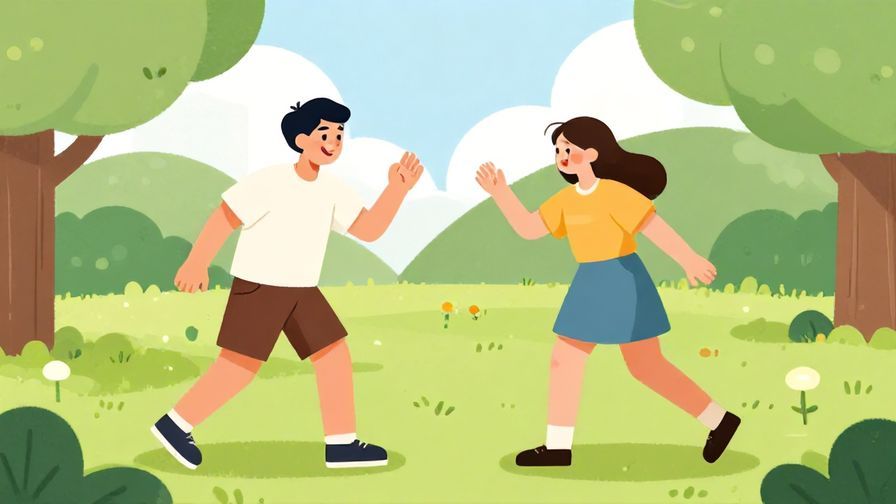
This phrase is very colloquial and native-sounding.
“なんだかんだ” (nandakanda) is a playful way to say “this and that” or “all kinds of things.”
Good for close relationships and informal talk.
For example, “なんだかんだあったけど、これからもよろしくね” (Nandakanda atta kedo, kore kara mo yoroshiku ne) means “After all we’ve been through, let’s keep it up.”
It’s casual, friendly, and heartfelt.
Try it when you want to sound natural and warm.
19. いろいろあったけどさ (Iroiro atta kedo sa) – “After all that happened, you know…”

The ending “さ” (sa) adds a friendly, informal nuance, like “you know.”
This makes the phrase sound conversational and caring.
It’s great for close friends or partners.
For example, “いろいろあったけどさ、ずっと味方だよ” (Iroiro atta kedo sa, zutto mikata da yo) means “After all we’ve been through, I’m always on your side.”
It’s simple but deeply supportive.
Use it to show closeness and reassurance.
20. いろいろあったけどね (Iroiro atta kedo ne) – “After all that happened, right?”

The ending “ね” (ne) invites agreement or shared feeling, making it soft and inclusive.
This phrase is very common in casual Japanese.
It’s perfect when reminiscing together.
For example, “いろいろあったけどね、今は大丈夫だよ” (Iroiro atta kedo ne, ima wa daijoubu da yo) means “After all we’ve been through, we’re okay now.”
It’s warm and reassuring.
Try it to express shared understanding.
21. いろいろあったけど、まあね (Iroiro atta kedo, maa ne) – “After all that happened, well…”

“まあね” (maa ne) is a casual filler that softens the statement, implying acceptance.
This phrase is very natural for native speakers.
It’s useful when you want to acknowledge the past lightly.
For example, “いろいろあったけど、まあね、仕方ないよね” (Iroiro atta kedo, maa ne, shikata nai yo ne) means “After all we’ve been through, well, it can’t be helped.”
It’s casual and a bit philosophical.
Use it when you want to sound relaxed and thoughtful.
22. いろいろあったけど、やっぱいいよね (Iroiro atta kedo, yappa ii yo ne) – “After all that happened, it’s still good, right?”

This phrase combines “やっぱ” (yappa – casual form of yappari) and “いいよね” (ii yo ne – “it’s good, right?”) for a cheerful, informal tone.
It’s perfect for expressing a positive feeling despite everything.
For example, “いろいろあったけど、やっぱいいよね、友達って” (Iroiro atta kedo, yappa ii yo ne, tomodachi tte) means “After all we’ve been through, friends are really great, aren’t they?”
It’s heartfelt and natural.
Use it to celebrate friendship or positive outcomes.
It’s a lovely way to end your reflections on a hopeful note.
Concluding Thought
Language lets us share the heart behind our stories, especially after everything we’ve been through together.
Each Japanese phrase here offers a unique shade of meaning—whether casual, formal, or deeply emotional—so you can express your feelings with sincerity and warmth.
Keep practicing these expressions, and you’ll find the perfect way to say “after all we’ve been through” that resonates with your own experience and relationships. Your words will carry the warmth and connection you feel inside.