22 Japanese ways to say “Absence makes the heart grow fonder”
“Absence makes the heart grow fonder” is one of those timeless truths that resonates across cultures. In Japan, this feeling is beautifully expressed in many ways, each with its own nuance and charm.
Whether you’re learning Japanese or just love cultural expressions, exploring these phrases can warm your heart and deepen your understanding of affection and longing.
From poetic and formal to casual and everyday, Japanese has a rich variety of ways to say this simple yet profound idea.
In this listicle, you’ll discover 22 authentic Japanese expressions that capture the essence of missing someone and feeling closer through distance.
Each phrase comes with pronunciation guides and little tips to help you remember and maybe even use them in your conversations.
Ready to explore these heartfelt Japanese sayings? Let’s dive in!
Understanding Japanese Expressions for Missing Someone
Japanese often conveys feelings through subtlety and metaphor, so many of these phrases hint at deeper emotions.
They range from direct statements about missing someone to poetic descriptions of how absence strengthens bonds.
Knowing these can add layers to how you express and understand feelings of longing.
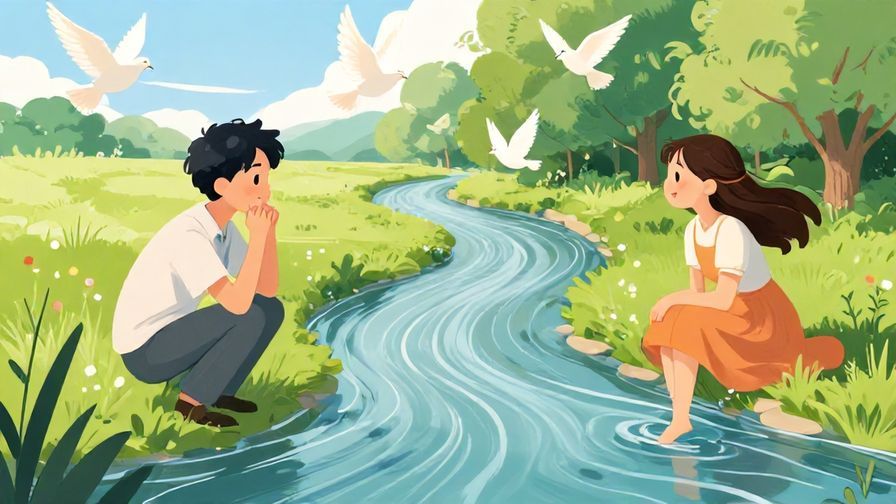
Sometimes, a good phrasebook is the best way to start building your emotional Japanese vocabulary.
It helps you practice and remember the nuances of each phrase.
These expressions are practical enough to use in conversations but poetic enough to appreciate culturally.
Part 1: Casual Suggestions
1. 会いたくなるとき (Aitaku naru toki) – “When I start to miss you.”

This phrase literally means “the time when I feel like seeing you.”
It’s simple and casual, perfect for telling a friend or loved one you’re missing them without sounding too heavy.
Use it when you want to gently express your feelings in a natural way.
It’s a great phrase to start with because it’s straightforward and heartfelt.
You can pair it with さみしい (samishii) which means “lonely” for added emotion.
Try saying it when you’re texting someone—you’ll sound warm and genuine.
2. 離れているほど恋しくなる (Hanarete iru hodo koishiku naru) – “The more we’re apart, the more I miss you.”

This one captures the classic idea exactly: distance makes your love grow stronger.
“Hanarete iru hodo” means “the more (we) are apart,” and “koishiku naru” means “become more fond/miss.”
It’s a little more poetic but still easy to use in casual conversation.
Perfect when you want to emphasize how absence deepens your feelings.
It’s common in letters or messages between couples.
Practice this to sound a bit more expressive and romantic in Japanese!
3. さみしさが募る (Samishisa ga tsunoru) – “Loneliness grows.”
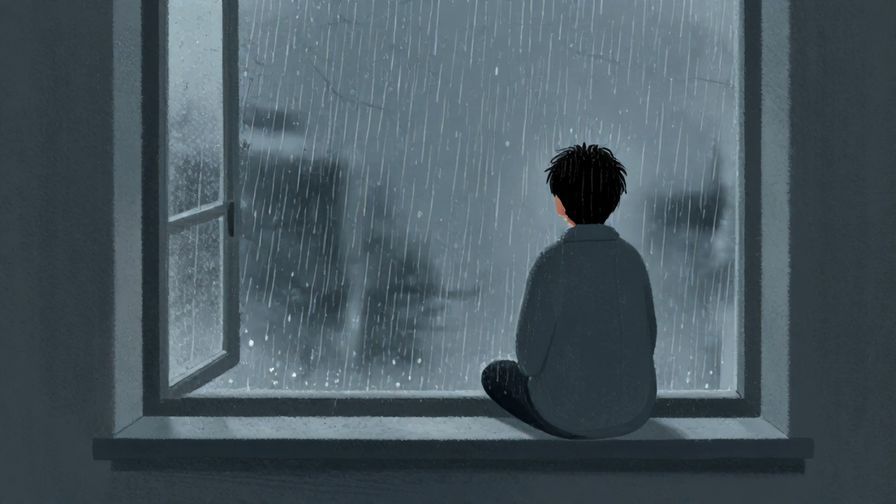
This phrase focuses on the feeling of loneliness that increases when someone is absent.
“Samishisa” means loneliness, and “tsunoru” means to grow or intensify.
It’s a subtle way to express missing someone without directly saying “I miss you.”
Great for more poetic or literary contexts.
You’ll find this phrase used in songs and novels.
Try it if you want a softer, more emotional way to talk about absence.
4. 会えなくて寂しい (Aenakute sabishii) – “I’m lonely because I can’t see you.”
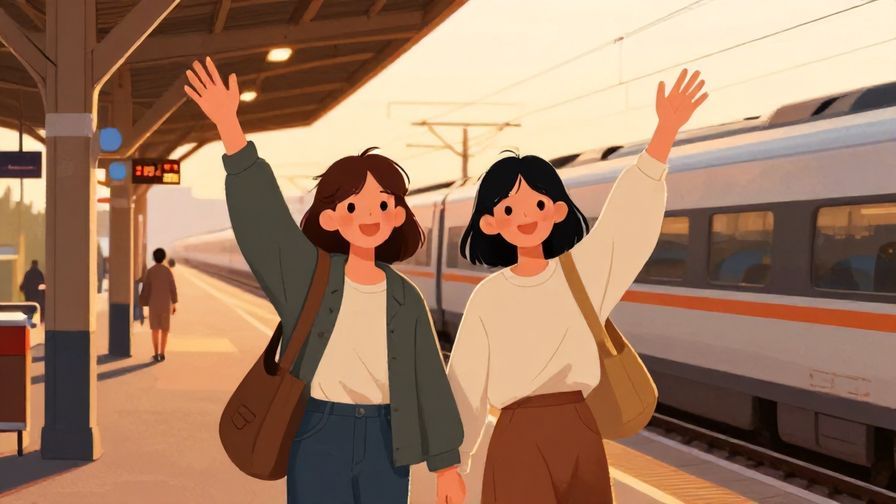
This is a straightforward phrase for missing someone specifically because you can’t meet them.
“Aenakute” is the negative form of “can meet,” and “sabishii” means lonely.
It’s casual and commonly used between friends and lovers.
It’s a go-to phrase when you want to quickly express that absence is tough.
Pair it with “早く会いたい” (hayaku aitai) for “I want to see you soon.”
Easy to remember and heartfelt—perfect for texting.
5. 離れていても心はそばに (Hanarete itemo kokoro wa soba ni) – “Even if we’re apart, my heart is by your side.”

This phrase beautifully expresses emotional closeness despite physical distance.
“Hanarete itemo” means “even if apart,” and “kokoro wa soba ni” means “the heart is near.”
It’s poetic and reassuring, great for romantic or close friendships.
Use it to comfort someone or yourself during times apart.
A lovely phrase that touches on emotional connection beyond absence.
Practice this to sound deeply thoughtful and warm.
6. 会わない時間が愛を育てる (Awanai jikan ga ai o sodateru) – “Time apart nurtures love.”
This one is close to the English phrase’s meaning and a bit poetic.
“Awanai jikan” means “time not meeting,” and “ai o sodateru” means “nurtures/grows love.”
It’s perfect for romantic contexts and sounds very sincere.
Try it when you want to express how absence can actually strengthen feelings.
It’s a positive and hopeful phrase for lovers apart.
Great to memorize for heartfelt conversations or writing.
7. しばらく会えないけど、心はいつも君のそばに (Shibaraku aenai kedo, kokoro wa itsumo kimi no soba ni) – “We can’t meet for a while, but my heart is always with you.”

This longer phrase is casual but meaningful, perfect for messages or letters.
It acknowledges absence but reassures emotional closeness.
“Shibaraku aenai kedo” means “can’t meet for a while,” and “kokoro wa itsumo kimi no soba ni” means “my heart is always by your side.”
Try breaking this into parts to memorize easily.
Useful for expressing care during temporary separations.
It’s warm and personal, great for friends or partners.
8. 会えなくても想っている (Aenakute mo omotte iru) – “Even if we can’t meet, I’m thinking of you.”

This phrase is simple and widely used in everyday conversation.
“Aenakute mo” means “even if (we) can’t meet,” and “omotte iru” means “I’m thinking of (you).”
It’s gentle and reassuring, perfect for casual chats.
Use it to subtly express affection across distance.
Pair with “ずっと” (zutto) meaning “always” for stronger emphasis.
Easy to remember and very natural sounding.
Part 2: Polite & Formal Suggestions
9. 離れているときほど、愛情が深まる (Hanarete iru toki hodo, aijō ga fukamaru) – “The more we are apart, the deeper the affection.”
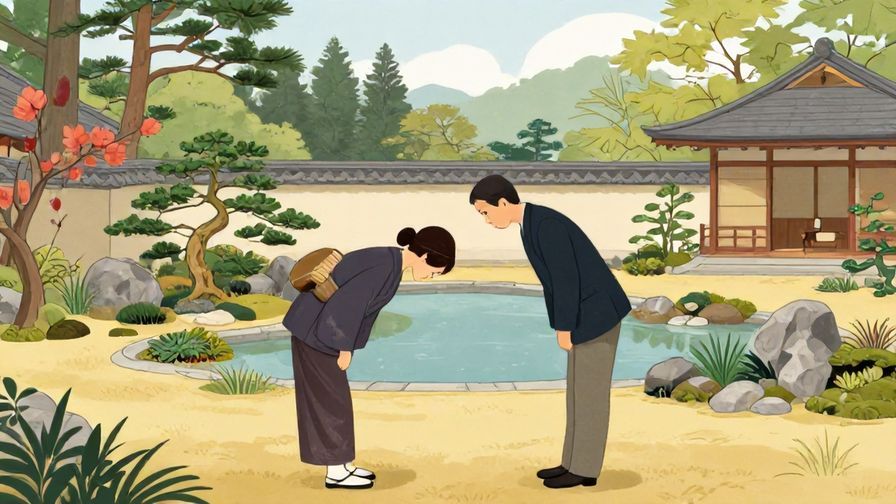
This is a polished, formal way to express the sentiment.
“Hanarete iru toki hodo” means “the more (we) are apart,” and “aijō ga fukamaru” means “affection deepens.”
Perfect for speeches, letters, or formal writing.
It sounds respectful and refined while conveying deep feeling.
Great for writing cards or expressing feelings in a dignified way.
Memorize the phrase in chunks to keep it natural.
10. お互いに離れているからこそ、愛が育つ (Otagai ni hanarete iru kara koso, ai ga sodatsu) – “Because we are apart, love grows.”

This phrase emphasizes cause and effect using “kara koso” to mean “precisely because.”
It’s a refined way to say absence strengthens love.
Use it in polite conversation or written form.
It’s a little more complex but sounds very thoughtful.
Good for expressing maturity and understanding in relationships.
Practice breaking it down into parts to learn smoothly.
11. 会えない時間が絆を深める (Aenai jikan ga kizuna o fukameru) – “Time apart deepens the bond.”

“Kizuna” means “bond,” a deep connection beyond just liking or loving.
This phrase is polite and expresses emotional depth.
Great for letters or formal texts.
It highlights how absence can strengthen trust and connection.
Useful when you want to express something deeper than just missing.
Learn “kizuna” as a powerful word for bonds in Japanese culture.
12. 離れていても変わらぬ想い (Hanarete itemo kawaranu omoi) – “Unchanging feelings even when apart.”
This polite phrase expresses steady affection despite distance.
“Kawaranu” means “unchanging,” and “omoi” means “feelings.”
It’s elegant and heartfelt, suitable for formal or romantic contexts.
Perfect for assuring someone of your constant feelings.
Use it in cards, messages, or conversations with respect.
Memorizing this phrase can help express loyalty beautifully.
13. お互いの距離が愛を強くする (Otagai no kyori ga ai o tsuyoku suru) – “Our distance makes love stronger.”

This phrase combines “otagai” (each other) and “kyori” (distance) to highlight mutual experience.
It’s polite and sounds mature and thoughtful.
Great for expressing mutual growth through absence.
Use it in conversations where you want to emphasize shared feelings.
It’s a positive spin that encourages patience and hope.
Try repeating this to feel more confident in polite speech.
14. 会えない時間が愛情を深める (Aenai jikan ga aijō o fukameru) – “Time without meeting deepens affection.”
This is a formal but simple phrase focusing on time apart.
“Aijō” means “affection,” a slightly formal word for love.
It’s easy to use in letters or polite conversations.
Perfect when you want to emphasize the positive effects of absence.
Helps shift the tone from sadness to hopeful growth.
Good phrase to remember for romantic formal writing.
15. 心の距離は変わらない (Kokoro no kyori wa kawaranai) – “The distance of the heart doesn’t change.”

This phrase poetically expresses constant emotional closeness regardless of physical space.
It’s polite but not overly formal, usable in many contexts.
“Kokoro” means heart, and “kyori” means distance.
It’s a reassuring phrase to say to someone you care about.
Use it to convey that your feelings remain steady through absence.
Easy to say and deeply touching in meaning.
16. 遠くても心は近い (Tōkute mo kokoro wa chikai) – “Even far away, the hearts are close.”

A polite but simple phrase expressing emotional closeness despite physical distance.
“Tōkute mo” means “even if far,” and “kokoro wa chikai” means “hearts are close.”
It’s perfect for polite conversation or writing.
Helps express warmth and connection during separation.
Great to use when reassuring friends or loved ones.
Easy to remember and very natural sounding.
Part 3: Very Casual / Native-like Expressions
17. 会わないと余計に好きになる (Awanai to yokei ni suki ni naru) – “Not meeting makes me like you even more.”

This is a very casual, native-like way to say absence grows affection.
“Yokei ni” here means “excessively” or “even more.”
It’s commonly used among young people or close couples.
Perfect for texting or informal chats with your partner.
Sounds playful and affectionate rather than serious.
Try using it to sound more natural and current in casual speech.
18. 会えないと寂しさが増す (Aenai to sabishisa ga masu) – “When we don’t meet, loneliness increases.”

This phrase casually describes the feeling of growing loneliness when apart.
“Masu” means “increase,” making it straightforward and easy to understand.
Perfect for casual conversations or venting feelings.
It’s honest and relatable, great to share with close friends.
Use it when you want to be clear but not overly dramatic.
Helps express missing someone simply and directly.
19. 会えなくてつらいけど、好きは変わらない (Aenakute tsurai kedo, suki wa kawaranai) – “It’s hard not to meet, but my love doesn’t change.”
This phrase is casual but heartfelt, admitting the difficulty of separation.
“Tsurai” means “painful” or “hard,” and “suki wa kawaranai” means “love doesn’t change.”
It’s honest and emotionally direct.
Great for intimate conversations or messages.
Sounds natural and real, like spoken Japanese from the heart.
Try using it to express vulnerability and strength together.
20. 離れててもずっと君のこと考えてる (Hanarete temo zutto kimi no koto kangaeteru) – “Even when apart, I’m always thinking of you.”

This casual phrase is perfect for everyday conversations.
“Zutto” means “always,” adding a strong sense of continuous affection.
“Kimi no koto” means “about you,” making it intimate.
Use it in texts or chats to sound close and affectionate.
It’s a great phrase to show constant care.
Very natural and easy to say for learners.
21. 会わないからこそ、愛しさが増す (Awanai kara koso, itoshisa ga masu) – “Because we don’t meet, affection increases.”
This casual phrase uses “kara koso” to emphasize cause and effect.
“Itoshisa” means “affection” or “fondness.”
It’s a heartfelt way to say absence makes love stronger.
Perfect for texting or casual speech with someone close.
Sounds very natural and emotionally expressive.
Try to practice the rhythm to sound fluent and native-like.
22. 会えなくても心はつながっている (Aenakute mo kokoro wa tsunagatte iru) – “Even if we can’t meet, our hearts are connected.”

This is a beautiful casual way to express emotional connection despite absence.
“Tsunagatte iru” means “are connected,” implying ongoing bond.
It’s perfect for intimate friends or lovers.
Use it to reassure someone of your emotional closeness.
Sounds warm, hopeful, and very natural in conversation.
Great to remember as a comforting phrase.
Concluding Thought
Exploring these 22 Japanese expressions reveals how nuanced and beautiful the language is when talking about missing someone.
Whether casual or formal, poetic or straightforward, each phrase carries warmth and sincerity that transcend distance.
Next time you feel the sting of absence, try expressing it in Japanese—you might find your feelings resonate even deeper and connect more genuinely with others.