22 Japanese ways to say “A dream come true”
Dreams are the whispers of our heart, and when they come true, it’s pure magic.
In Japanese, there are so many beautiful ways to express the feeling of a dream realized. Each phrase carries a unique shade of emotion and cultural flavor.
Learning these expressions not only boosts your language skills but also connects you deeply with Japanese culture.
Whether you’re celebrating a personal milestone or cheering on a friend, these 22 ways will help you say “A dream come true” in style.
Plus, understanding the nuances will make your conversations more heartfelt and genuine.
Let’s dive in and explore these wonderful phrases together!
Understanding the Expressions
Before we jump into the list, it’s good to know that Japanese phrases for “a dream come true” can vary from casual to very formal.
Some expressions focus on the feeling of fulfillment, others highlight the surprise, and some are poetic or idiomatic.
Getting familiar with these will help you pick the right phrase for any occasion.
Sometimes, starting with a great Japanese language learning book can give you a perfect foundation for understanding these expressions.
With practice, these phrases will soon feel natural and even fun to use.
Now, let’s explore them in three parts: casual, polite/formal, and very casual/native-like.
Part 1: Casual Suggestions
1. 夢が叶った (Yume ga kanatta) – “My dream came true.”

This is the most straightforward and common way to say “a dream come true.”
夢 (yume) means “dream,” が (ga) marks the subject, and 叶った (kanatta) is the past tense of “to come true” or “to be fulfilled.”
Use this phrase to celebrate any personal achievement or happy moment.
It’s a warm and heartfelt expression everyone understands.
You could also say 夢が実現した (yume ga jitsugen shita), meaning “the dream has been realized.”
Perfect for sharing your excitement with friends and family!
2. 夢が実った (Yume ga minotta) – “The dream bore fruit.”
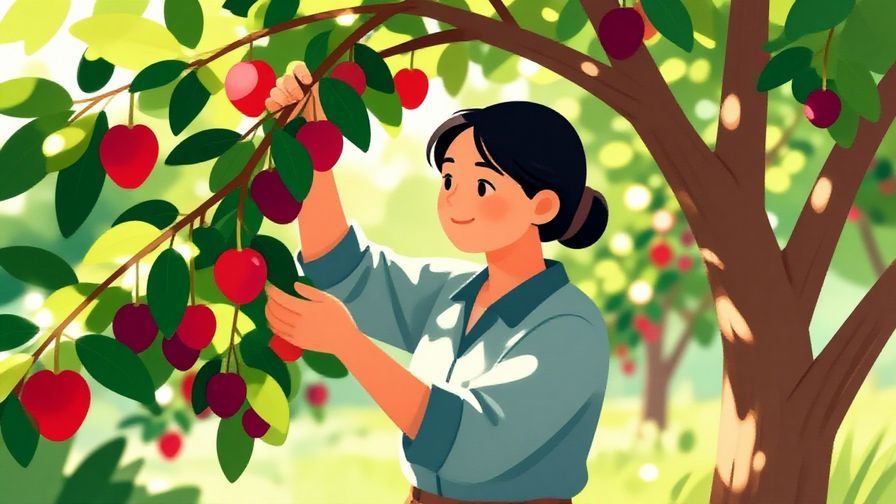
This phrase uses the metaphor of a dream as a seed that has grown and borne fruit.
実る (minoru) means “to bear fruit,” so it’s poetic and emphasizes effort and growth.
It’s a lovely way to express that your hard work has paid off.
Try to remember it by picturing your dreams as plants that blossom over time.
Often used in conversations about long-term goals achieved.
It adds a touch of nature’s beauty to your happy news.
3. 夢が叶いました! (Yume ga kanaimashita!) – “The dream has come true!” (polite)

This is a polite and respectful way to announce a dream coming true.
The verb ending ました (mashita) makes it formal and polite.
Use it when speaking to teachers, bosses, or people you respect.
A great phrase for formal settings or announcements.
Remember the polite form to make your language sound refined and sincere.
It’s a go-to phrase for sharing good news professionally.
4. 夢が叶って嬉しい (Yume ga kanatte ureshii) – “I’m happy my dream came true.”

This adds the feeling of happiness (嬉しい, ureshii) to the basic phrase.
It’s a natural way to express your joy and gratitude.
Perfect for casual conversations with friends and family.
Pair it with ありがとう (arigatou) to say thanks for support.
Its emotional tone makes it relatable and heartfelt.
Use it anytime you want to share your happiness openly.
5. 夢が叶って感激です (Yume ga kanatte kangeki desu) – “I’m deeply moved that my dream came true.”

感激 (kangeki) means “deep emotion” or “being moved.”
This phrase is perfect when your dream coming true stirs strong feelings inside you.
It’s a bit more formal but still warm and personal.
Great for speeches or thank-you notes.
It shows depth beyond simple happiness.
Use it to express heartfelt gratitude or amazement.
6. 夢が叶って本当に良かった (Yume ga kanatte hontou ni yokatta) – “I’m really glad my dream came true.”

This phrase adds a sincere sense of relief and happiness.
本当に良かった (hontou ni yokatta) means “really glad” or “truly good.”
It’s perfect for reflecting on a dream fulfilled after challenges.
Use it in conversations or personal writing.
It’s natural and easy to remember for expressing honest joy.
Great for heartfelt moments shared with close ones.
7. 夢が叶って最高! (Yume ga kanatte saikou!) – “My dream came true, awesome!”

最高 (saikou) means “the best” or “awesome.”
This phrase is energetic and casual, perfect for celebrating big wins.
It’s great for social media or chatting with friends.
Use it to share your excitement without sounding too formal.
It’s a phrase full of youthful spirit.
Ideal for moments when you want to shout your happiness!
8. 夢が叶ってよかったね (Yume ga kanatte yokatta ne) – “I’m glad your dream came true.”

This is a friendly way to congratulate someone else.
It uses よかったね (yokatta ne) to express gladness for someone else’s success.
A very natural phrase in everyday conversations.
Perfect for encouraging friends or family.
Use it to show support and share joy.
It’s warm and personal without being formal.
Part 2: Polite & Formal Suggestions
9. 夢の実現 (Yume no jitsugen) – “The realization of a dream.”

This is a noun phrase often used in speeches or writing.
実現 (jitsugen) means “realization” or “achievement.”
It sounds polished and is suitable for official contexts.
Perfect for presentations, essays, or formal announcements.
Try pairing it with おめでとうございます (omedetou gozaimasu) for congratulations.
It’s a dignified way to honor a dream fulfilled.
10. 夢が叶いましたことを心よりお祝い申し上げます (Yume ga kanaimashita koto o kokoro yori oiwai moushiagemasu) – “I sincerely congratulate you on your dream coming true.”

This is a very formal congratulatory phrase.
Use it in letters or speeches at weddings, graduations, or ceremonies.
It shows deep respect and sincere joy.
Break it down slowly to remember: 心より (kokoro yori) = “from the heart,” お祝い申し上げます (oiwai moushiagemasu) = “I humbly offer congratulations.”
It’s perfect for professional or official contexts.
Use it when you want to sound very polite and respectful.
11. 長年の夢が実現しました (Naganen no yume ga jitsugen shimashita) – “A long-held dream has been realized.”

This phrase emphasizes how long the dream has been held.
長年 (naganen) means “many years,” adding depth to the achievement.
It’s great for stories or speeches about perseverance.
Helps express respect for persistence and patience.
Use it when celebrating lifelong goals.
It adds weight and admiration to your message.
12. 夢の実現を祈ります (Yume no jitsugen o inorimasu) – “I pray for your dream to come true.”

A polite and thoughtful phrase expressing hope for someone’s dream.
Use it in cards, messages, or conversations wishing good luck.
It’s humble and shows care.
Great for encouraging others respectfully.
Remember 祈ります (inorimasu) means “to pray” or “wish.”
Perfect for heartfelt encouragement in formal settings.
13. 感慨無量です (Kangai muryou desu) – “I’m deeply moved beyond words.”

This phrase expresses overwhelming emotion.
It’s often used in formal speeches or writing about dreams fulfilled.
感慨無量 (kangai muryou) means “full of deep emotion.”
Use it to convey profound gratitude or amazement.
It adds a poetic touch to your expression.
Great for touching moments at ceremonies or reunions.
14. 夢が叶った喜びを感じます (Yume ga kanatta yorokobi o kanjimasu) – “I feel the joy of my dream coming true.”

This is a polite way to express personal happiness.
喜び (yorokobi) means “joy,” and 感じます (kanjimasu) means “I feel.”
It’s gentle, formal, and perfect for speeches or letters.
Use it to share heartfelt feelings respectfully.
It’s easy to remember as combining “joy” and “feel.”
Great for professional or semi-formal occasions.
15. 夢が実現したことに感謝します (Yume ga jitsugen shita koto ni kansha shimasu) – “I am grateful that my dream has come true.”
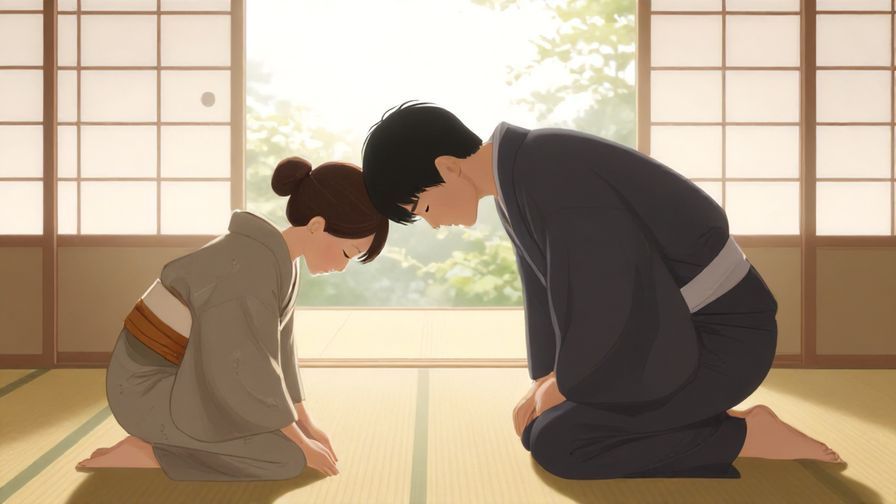
This phrase expresses thanks (感謝します, kansha shimasu) for the dream fulfillment.
It’s polite and humble, perfect for formal situations or writing.
Use it to acknowledge support or fate in your success.
It’s a meaningful way to share gratitude along with happiness.
Try using it in thank-you notes or speeches.
It adds warmth and sincerity to your message.
16. 夢に向かって努力が実りました (Yume ni mukatte doryoku ga minorimashita) – “Efforts toward my dream have borne fruit.”

This phrase recognizes the effort made to achieve the dream.
努力 (doryoku) means “effort,” and 実りました (minorimashita) means “bore fruit.”
It’s formal and motivational, good for speeches or essays.
Use it to highlight the journey, not just the result.
It’s perfect for inspiring others or self-reflection.
Great phrase for professional or academic contexts.
Part 3: Very Casual / Native-like Expressions
17. 夢叶った! (Yume kanatta!) – “Dream came true!”

This is a very casual, shortened way to say it.
Dropping particles makes it quick and energetic.
Perfect for texting or casual chats with friends.
It sounds spontaneous and full of joy.
Easy to remember and fun to say.
Great for everyday happy moments.
18. 夢実現! (Yume jitsugen!) – “Dream realized!”

A short and punchy phrase.
Often used in headlines, social media posts, or casual conversation.
It’s like a quick cheer for success.
Use it when you want to share exciting news fast.
Simple and easy to remember.
Great for celebrating milestones casually.
19. 夢がついに叶った! (Yume ga tsuini kanatta!) – “My dream finally came true!”

Adding ついに (tsuini) means “finally,” highlighting a long-awaited dream.
It adds drama and excitement.
Perfect for sharing big accomplishments.
Use this to emphasize the wait and effort behind success.
It sounds natural and native-like.
Great for storytelling or social sharing.
20. 夢叶ってマジ最高! (Yume kanatte maji saikou!) – “My dream came true, seriously awesome!”

This phrase mixes casual slang マジ (maji) meaning “seriously” with 最高 (saikou) meaning “awesome.”
Very casual, youthful, and expressive.
Use it with close friends or on social media.
It’s fun and full of enthusiasm.
Easy to say and share.
Great for showing off your excitement naturally.
21. 夢が叶ってホントに嬉しい! (Yume ga kanatte hontoni ureshii!) – “I’m really happy my dream came true!”

This is a natural, heartfelt expression.
ホントに (hontoni) means “really” in casual speech.
It adds warmth and personal feeling.
Perfect for sharing emotions with friends and family.
Sounds genuine and friendly.
Great for everyday use when feeling grateful.
22. 夢、叶ったよ! (Yume, kanatta yo!) – “My dream came true, you know!”

The particle よ (yo) adds emphasis and excitement.
It’s a casual way to share big news with someone close.
Sounds lively and engaging.
Use it when you want to emphasize your happiness.
Easy to say and very natural for native speakers.
Great for phone calls, texts, or face-to-face chats.
Concluding Thought
Exploring these 22 Japanese ways to say “a dream come true” shows how rich and expressive the language is.
Each phrase offers a different shade of emotion, from simple joy to deep gratitude and excitement.
Whether casual or formal, these expressions will help you connect more meaningfully with others and celebrate your dreams in style. Keep practicing, and soon you’ll be sharing your own dream come true stories beautifully in Japanese!