22 Japanese ways to say “A blessing in disguise”
Ever stumbled upon a situation that seemed rough at first but turned out to be unexpectedly good? That’s what we call “a blessing in disguise” in English. But what about Japanese? They have some colorful and poetic ways to express this idea!
Learning these phrases is not only fun but adds a touch of cultural insight to your language skills. Imagine dropping one of these in conversation and impressing your Japanese friends!
Each phrase carries a unique nuance, showing how Japanese speakers view the twists and turns of life. It’s like seeing the silver lining through different lenses.
Whether you’re learning casually or aiming for a deep understanding, these expressions are practical and relatable. They make your language journey richer and more enjoyable.
Plus, knowing such phrases helps you grasp Japanese mindset and humor better, which is a huge plus for meaningful conversations.
Ready to explore 22 beautiful ways to say “a blessing in disguise” in Japanese? Let’s dive in!
Understanding the Concept in Japanese
Japanese often use expressions that highlight unexpected good outcomes, sometimes wrapped in imagery or proverbs. It’s a poetic language after all!
Many phrases imply that what seemed bad or unlucky actually led to something positive, perfectly capturing “a blessing in disguise.”
Some expressions are short and casual, while others are formal or poetic. Knowing when to use which adds charm to your speech.

Sometimes, using a great beginner phrasebook can give you a perfect starting point for a cohesive understanding.
These phrases can be used in everyday life or sprinkled in storytelling to add depth.
By practicing them, you’ll start noticing how Japanese culture embraces the ups and downs with grace.
Part 1: Casual Suggestions
1. 災い転じて福となす (Wazawai tenjite fuku to nasu) – “Turn misfortune into fortune.”
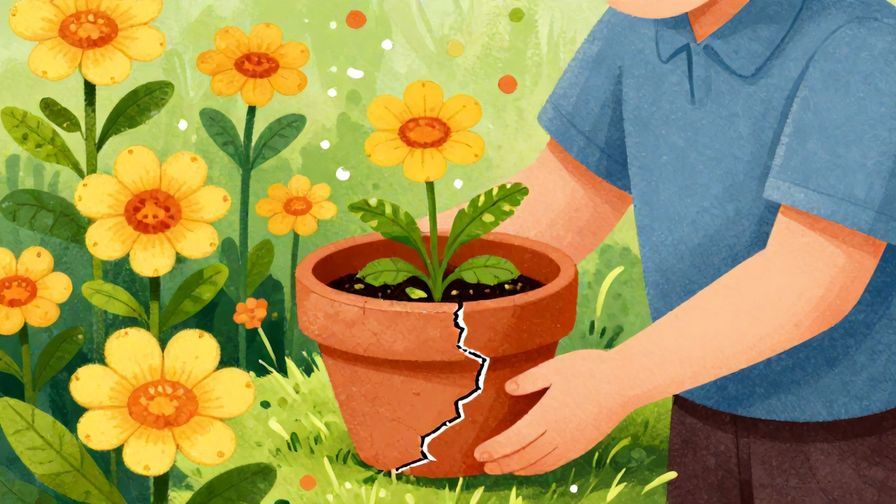
This is a classic Japanese proverb meaning that a bad situation can be turned into something good.
It’s simple to remember because it directly talks about changing disaster (災い, wazawai) into happiness (福, fuku).
Using this phrase shows you’re optimistic and see value in setbacks.
It’s a powerful way to encourage yourself or others when things look tough.
You might hear it in conversations about overcoming difficulties or unexpected success.
Keep it handy for moments when you want to highlight silver linings.
2. 蓋を開けてみれば (Futa o akete mireba) – “When you open the lid and see…”

This phrase means that once you look closer, surprising good things appear.
It’s easy to use in daily chat, hinting that first impressions can be misleading.
Great for reminding someone not to judge too soon.
People commonly use it when a confusing or bad situation turns out well.
It’s a gentle way of saying “there’s more than meets the eye.”
Try it next time you uncover a positive twist in a story or event.
3. 悪いことの裏には良いことがある (Warui koto no ura ni wa ii koto ga aru) – “Behind bad things, good things exist.”

This straightforward phrase expresses the idea that good things often lie hidden behind bad ones.
It’s easy to apply in everyday conversations to comfort or reflect.
Use it when talking about overcoming challenges or unexpected benefits.
It’s a gentle reminder that setbacks aren’t the end.
Perfect for encouraging friends or yourself during tough times.
Keep this phrase in your emotional toolkit for positive thinking.
4. 失敗は成功のもと (Shippai wa seikou no moto) – “Failure is the foundation of success.”
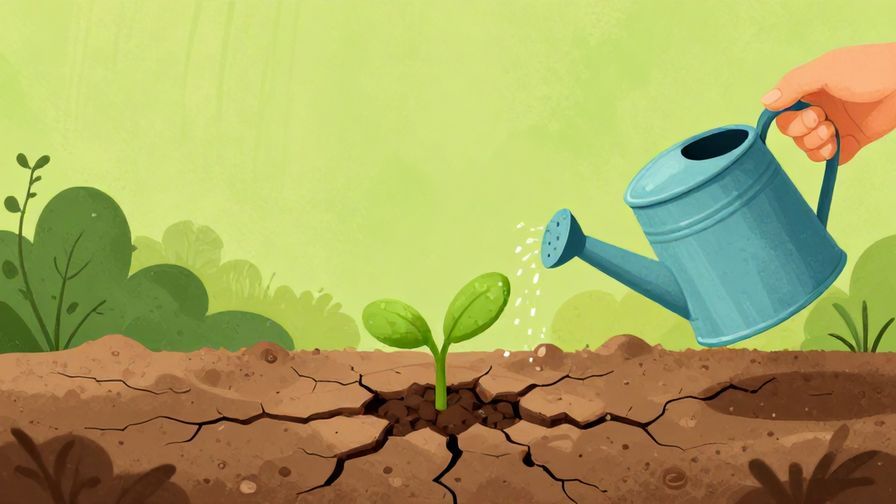
A very common saying meaning that failure leads to success eventually.
It’s practical and motivating, making it easy to use in work or school contexts.
This phrase encourages learning from mistakes as a positive step.
It’s often used by teachers or mentors to cheer up learners.
You can confidently say this when reflecting on your own journey.
It’s a classic phrase that fits perfectly with “a blessing in disguise.”
5. 災いは忘れた頃にやってくる (Wazawai wa wasureta koro ni yattekuru) – “Trouble comes when you’ve forgotten about it.”

This phrase humorously notes that troubles often pop up unexpectedly.
While it sounds negative, it implies you can’t predict everything, so be ready for surprises.
It’s a fun way to acknowledge life’s unpredictability.
Often used when bad news arrives after a peaceful time.
You can use it lightly to explain why something unfortunate seemed to come “out of nowhere.”
It’s a reminder that sometimes blessings come disguised as surprises.
6. 藪をつついて蛇を出す (Yabu o tsutsuite hebi o dasu) – “Stir a bush and bring out a snake.”

This phrase warns that sometimes digging into problems reveals worse things.
Interestingly, it can ironically mean that uncovering trouble can lead to eventual good outcomes by addressing it.
It’s a cautionary but realistic take on “a blessing in disguise.”
Use it when talking about risks of investigation or discovery.
It reminds us that even unpleasant surprises can be steps toward improvement.
Perfect for storytelling with a twist of irony and wisdom.
7. 笑う門には福来る (Warau kado ni wa fuku kitaru) – “Good fortune comes to the laughing gate.”

A warm proverb meaning that happiness invites good luck.
It’s an uplifting way to say that positive attitude can turn bad situations around.
Great for everyday encouragement and spreading good vibes.
Use it when someone is feeling down or after overcoming hardship.
It perfectly captures the spirit of finding blessings in unexpected places.
Try this phrase to brighten conversations and moods.
8. 風が吹けば桶屋が儲かる (Kaze ga fukeba okeya ga moukaru) – “When the wind blows, the bucket maker profits.”

This quirky proverb shows how one event can indirectly lead to unexpected benefits.
It’s a perfect metaphor for a blessing in disguise, showing cause and effect.
Use it to explain how unpredictable chain reactions can bring luck.
It adds fun and depth when discussing complicated outcomes.
People love this phrase for its storytelling charm.
It’s a great conversation starter with native speakers.
Part 2: Polite & Formal Suggestions
9. 不幸中の幸い (Fukou-chuu no saiwai) – “A blessing amidst misfortune.”

This is a polite and formal way to describe a blessing in disguise.
It’s often used in writing or serious conversations about unfortunate events with positive outcomes.
Using this phrase shows respect and sensitivity toward difficult situations.
It includes the word 不幸 (fukou, misfortune) and 幸い (saiwai, blessing), making the meaning clear.
You’ll find it in news, speeches, or formal letters.
Great to use when you want to sound thoughtful and refined.
10. 災い転じて禍福となす (Wazawai tenjite kafuku to nasu) – “Turn misfortune into both calamity and blessing.”

A formal variation of the first proverb, emphasizing balance between bad and good.
It’s sophisticated and reflects deep philosophical thinking.
Use it in essays, speeches, or to impress advanced learners.
It’s a reminder that bad things can lead to both problems and blessings.
This phrase is poetic and ideal for serious discussions.
Try it to add elegance to your Japanese vocabulary.
11. 禍を転じて福となす (Wazawai o tenjite fuku to nasu) – “Turn misfortune into fortune.”

A refined phrase focusing on transformation from disaster to happiness.
It’s often used in literature and formal speech.
Perfect for expressing hope and resilience elegantly.
The word 禍 (wazawai) means calamity, and 福 (fuku) means fortune.
This phrase is ideal for thoughtful reflections or writing.
It’s a beautiful way to show positive change in difficult times.
12. 逆境に花が咲く (Gyakkyo ni hana ga saku) – “Flowers bloom in adversity.”

A poetic phrase showing that good things grow from tough situations.
It’s elegant yet easy to understand, making it great for formal and literary contexts.
Use it to describe personal growth or success after struggle.
It’s an inspiring expression often used in speeches or essays.
Perfect for motivating yourself or others in formal settings.
It reminds us that adversity can lead to beauty.
13. 災いを福に変える (Wazawai o fuku ni kaeru) – “Change misfortune into fortune.”

A straightforward and polite phrase used to describe turning bad luck into good.
It’s common in business or formal communication.
Easy to use and understand by learners at all levels.
Good for speeches, emails, or writing about overcoming challenges.
This phrase emphasizes active change and personal effort.
Use it when talking about positive outcomes from hard work.
14. 困難を乗り越えて幸運を得る (Konnan o norikoete kouun o eru) – “Overcome difficulties and gain good luck.”

A formal and descriptive way to say that success comes after overcoming troubles.
It’s perfect for essays, speeches, and formal discussions.
It highlights the effort involved in turning things around.
Use it to inspire others or describe personal victories.
It’s a great phrase for professional or academic contexts.
Shows maturity and deep understanding of challenges.
15. 不運の中の幸運 (Fuun no naka no kouun) – “Good luck within bad luck.”

A neat, polite phrase that literally means good fortune found inside bad luck.
It’s simple, clear, and useful for formal and casual contexts.
Great for expressing mixed feelings about events.
You can use it in conversations or writing to explain unexpected positives.
This phrase helps you sound thoughtful without being overly complex.
It’s a handy expression to keep in your vocabulary.
16. 苦あれば楽あり (Ku areba raku ari) – “Where there is hardship, there is comfort.”

A proverb signifying that tough times are followed by good times.
It’s polite and often used in formal or inspirational talks.
Easy to remember and apply to many situations.
Use it when encouraging someone going through difficulties.
It’s a hopeful phrase expressing balance in life.
Great for speeches, messages, or letters.
Part 3: Very Casual / Native-like Expressions
17. 意外な幸運 (Igai na kouun) – “Unexpected good luck.”
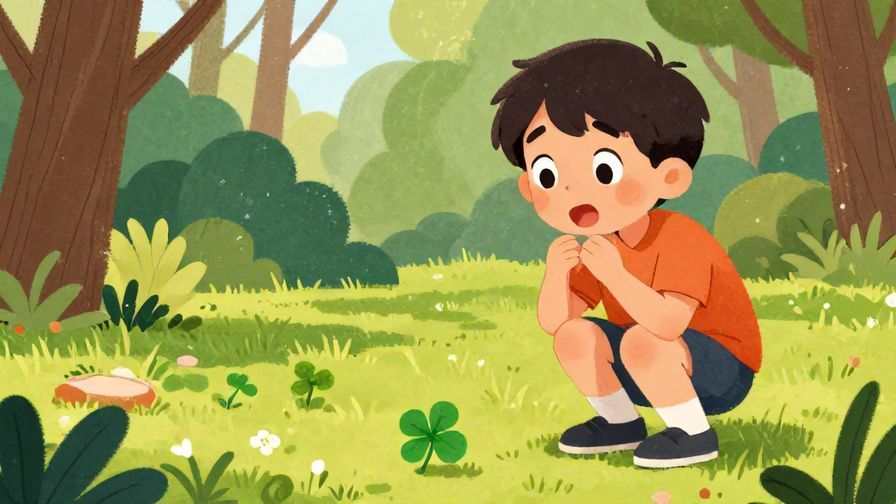
This casual phrase is used when something good happens out of the blue.
It’s very natural and easy to drop into conversations.
Perfect for expressing surprise at a lucky twist.
Great for daily chats with friends or colleagues.
It’s straightforward and instantly understood by native speakers.
Use it to share moments of joy or luck casually.
18. 良かったじゃん (Yokatta jan) – “That’s great (in a casual way).”

A very casual way to acknowledge a positive twist in a story.
It’s informal and expressive, popular among young people.
Use it to cheer someone up or celebrate good news.
It’s short and easy to remember.
Perfect for informal texting or chatting.
Shows friendliness and genuine happiness.
19. まさかの幸運 (Masaka no kouun) – “A surprising blessing.”

This phrase highlights the shock and joy of an unexpected blessing.
It’s commonly used in casual conversation or social media.
Great for sharing surprising good news.
It’s catchy and easy to say.
Use it to express amazement and happiness at once.
Perfect when something turns out way better than expected.
20. 思わぬ幸せ (Omowanu shiawase) – “Unexpected happiness.”

A natural, casual phrase meaning happiness that comes out of nowhere.
It’s gentle and heartfelt, used often in everyday talk.
Great for expressing gratitude for a surprise good event.
Simple and easy to use in any setting.
It’s a lovely way to acknowledge hidden blessings.
Use it to share warm feelings with friends or family.
21. いい意味で裏切られた (Ii imi de uragirareta) – “Betrayed in a good way.”

A slangy and playful way to say something turned out better than expected.
It’s casual and often used among younger speakers.
Use it when your expectations were low but the outcome was great.
It’s a fun phrase that shows humor and positivity.
Great for storytelling or social media comments.
Helps you sound like a natural speaker.
22. 結果オーライ (Kekka o-rai) – “All’s well that ends well.”

This casual phrase means the result was good, even if the process wasn’t perfect.
It’s very common in daily conversation and informal speech.
Use it to sum up a situation where things worked out unexpectedly.
It’s short, easy to say, and very natural.
Perfect for casual talk or when wrapping up a story.
It’s the perfect casual equivalent of “a blessing in disguise.”
Concluding Thought
Exploring these Japanese phrases gives you a fresh perspective on how people embrace life’s unpredictability with hope and humor.
Each expression opens a little window into the culture’s poetic and philosophical soul, making your language journey richer.
So, keep these phrases close, use them freely, and let every challenge be a chance to find your own blessing in disguise. Ganbatte!